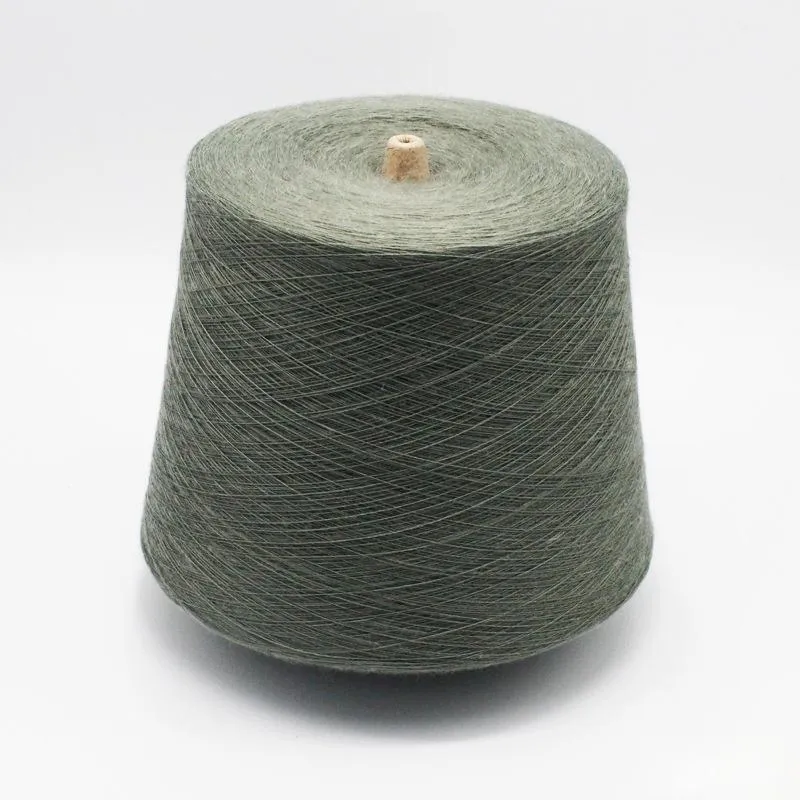
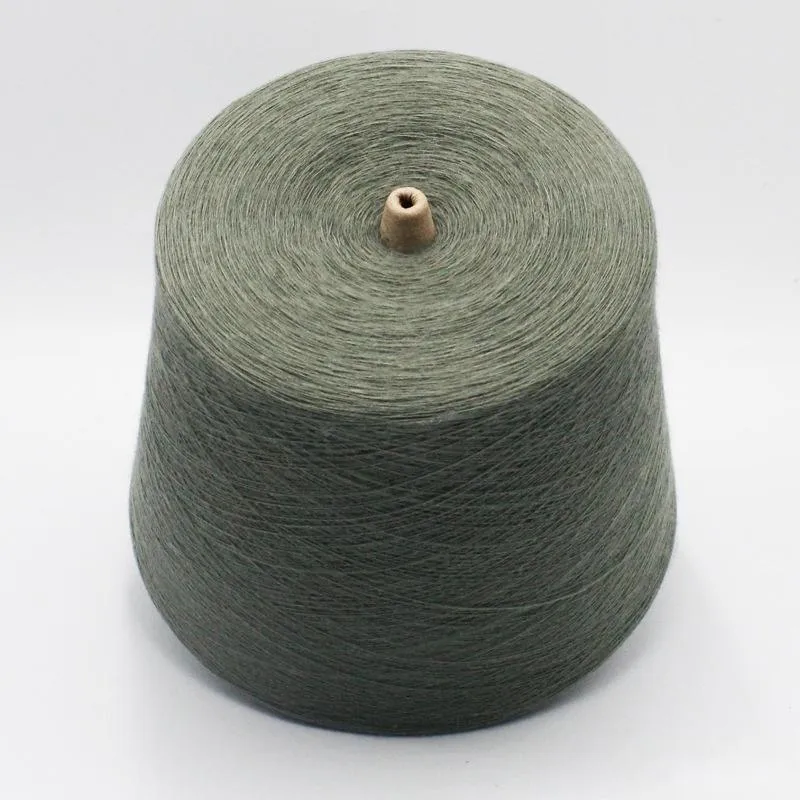
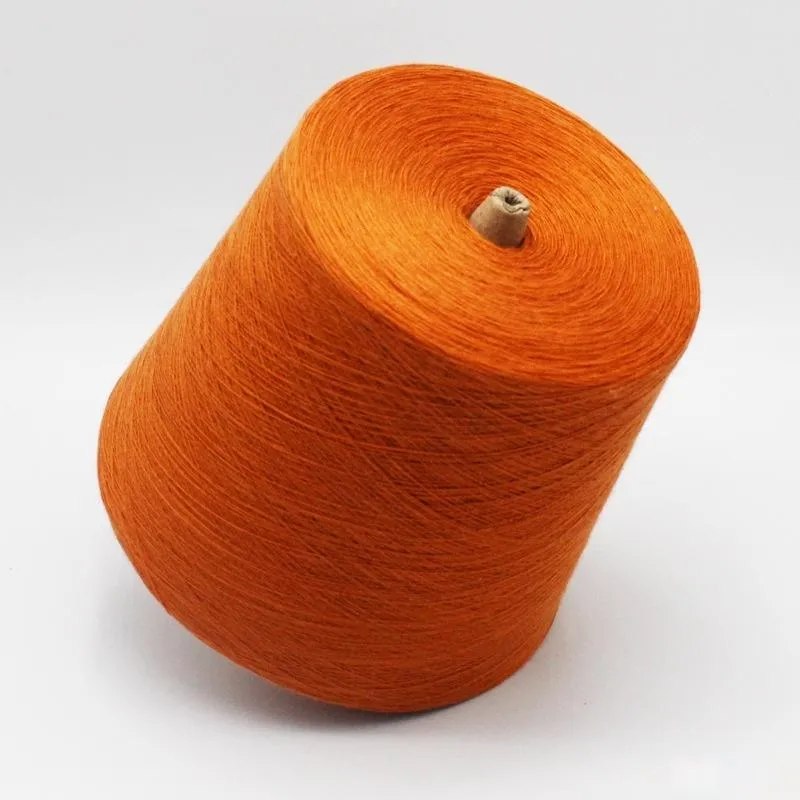
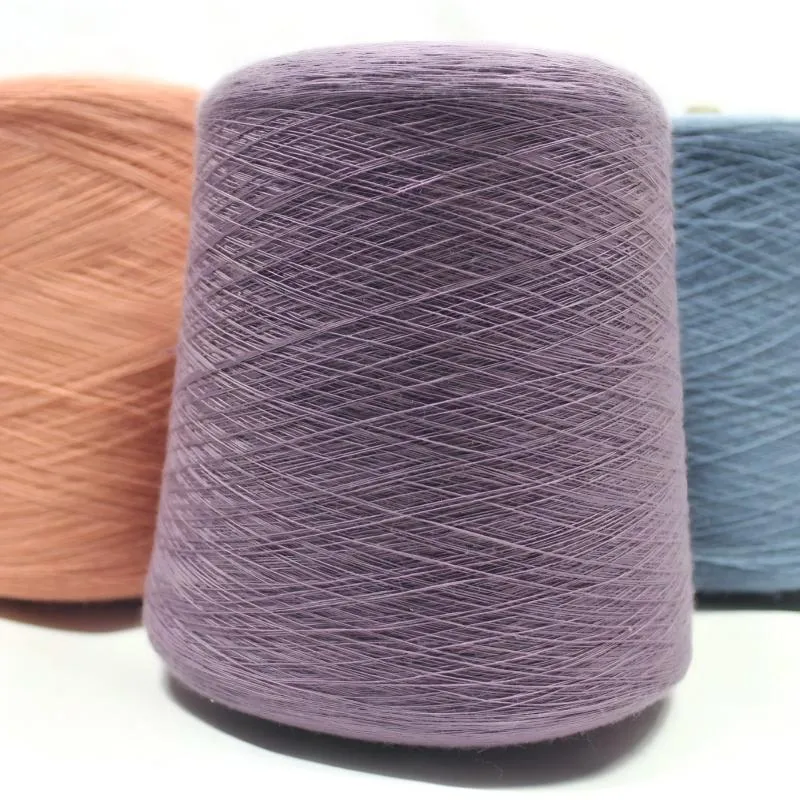
Thermal Wool Acrylic Blended Yarn 28S Single Ply for Winter Socks
Thermal wool acrylic blended yarn in 28S single ply (1/28Nm) is engineered for winter sock production that needs reliable warmth, smooth knitting, and controlled sourcing cost.
Spinning Process: Compact Siro Spinning (Jinsai)
Yarn Count: 28S single ply (1/28Nm, bulked thermal type)
Technical Overview of Thermal Wool Acrylic Blended Yarn
For winter socks and knitwear, buyers usually fight four issues at once: weak warmth, unstable knitting, unclear lead time, and margin pressure.
This thermal wool acrylic blended yarn uses a 10% wool + 90% acrylic blend and a 1/28Nm bulked structure to balance thermal feel and cost efficiency.
As a result, sourcing teams can move from trial to bulk with clearer technical and commercial control.
1) Thermal Wool Acrylic Blended Yarn vs Standard Winter Blend Yarn
Buying Factor
Common Market Situation
This Product
Business Impact
Warmth Performance
Blend ratio shown, but structure impact often unclear
1/28Nm bulked structure + wool/acrylic blend
Improved warm-hand feel in winter applications
Cost-to-Warmth Balance
Higher wool content can raise cost quickly
10/90 blend keeps cost predictable while maintaining warmth
Therefore, you can validate with a small trial, confirm production parameters, and then move to bulk with fewer surprises in cost and delivery.
5) Packaging & Logistics
Packaging: Standard carton packing.
Before shipment: confirm color code, count, quantity, and lot records.
Logistics planning: choose stock or custom route based on delivery urgency.
Peak-season advice: confirm shades early for winter sock knitting yarn to avoid schedule compression.
Send required count, color list, and target monthly volume.
Confirm trial lot and technical parameters.
Approve sample and lock bulk order schedule.
Release shipment after packing list and lot details are confirmed.
6) Expert FAQ for Thermal Wool Acrylic Blended Yarn
Q1: Why can this thermal wool acrylic blended yarn still feel warm with only 10% wool?
A1: Warmth depends on both fiber and structure. The wool contributes natural thermal behavior, while the bulked 1/28Nm structure traps more still air. Together they improve insulation feel while controlling material cost.
Q2: Is this 28S single ply yarn suitable for winter sock knitting yarn production?
A2: Yes. It is designed for autumn/winter use and supports stable knitting flow. Still, run a machine trial first to confirm gauge, stitch density, and finishing behavior on your specific line.
Q3: What is the technical value of a 1/28Nm wool acrylic blend yarn structure?
A3: The 1/28Nm bulked structure improves loft and hand feel. As a result, fabrics can feel fuller and warmer versus less-bulked structures in similar count ranges.
Q4: How should I manage color consistency in repeat bulk orders?
A4: Use a fixed color-card standard, approve trial shade first, and lock lot-based production for each reorder. This process reduces visible shade deviation in large programs.
Q5: Why are both 1 kg/color MOQ and 5000 kg MOQ shown?
A5: They serve different buying stages. 1 kg/color supports qualification and color approval, while 5000 kg is the wholesale reference tier for scaled production planning.
Q6: How do I evaluate landed cost before placing a large order?
A6: Start with reference yarn price, then add color complexity, packaging, transport mode, import charges, and urgency cost. This method gives a realistic landed-cost range.
Q7: What documents should professional buyers request before PO release?
A7: Request technical spec sheet, blend confirmation, required test files, and lot-level packing details. These documents reduce quality disputes and receiving delays.
Q8: What is the best timing strategy for winter programs?
A8: Confirm colors and trial orders early, then lock bulk windows before seasonal demand peaks. Early locking protects both delivery time and production continuity.