WhatsApp : (+86) 19058080181 Email : info@vi-tex.com

Dyed Fibers: Why Are Brands Crazy About Them?
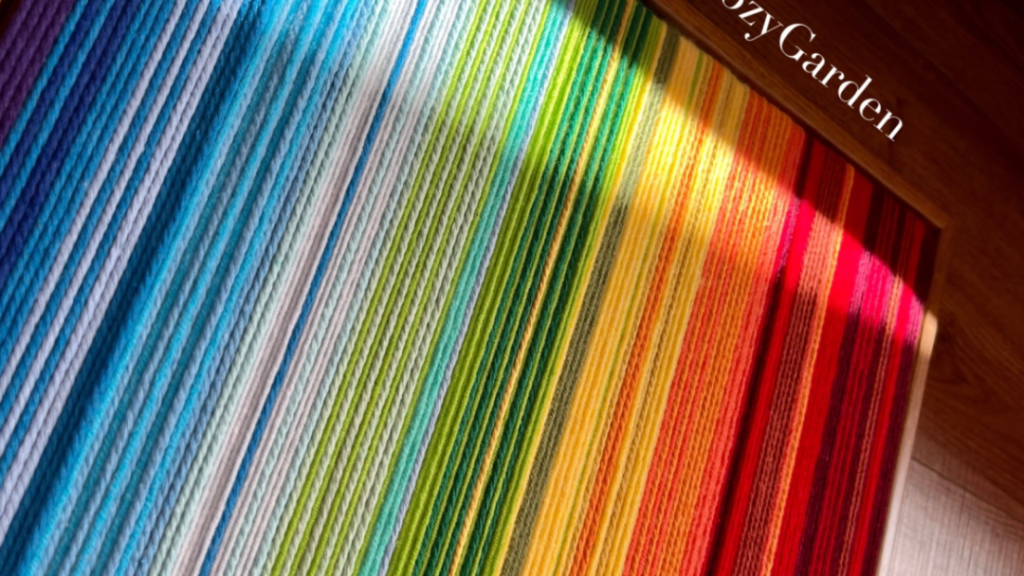
Traditional dyeing consumes about 100 tons of water per ton of fabric,
while solution-dyed spinning eliminates the dyeing and finishing process entirely.
This is not just a concept—it represents proven, realizable profit margins.
As the EU Carbon Border Adjustment Mechanism (CBAM) draws near and
brands trace the carbon footprint of their supply chains down to every detail,
colored fibers, solution-dyed spinning,
and yarn-dyed weaving are no longer optional choices, but essential practices.
PART.1
Three industry insights you can’t afford to miss:
1.Solution-dyed spinning is far more than just “changing the color”.
From raw material blending to color difference control, larger batches are especially prone to “end-to-end color variation”.Flexible production combined with a digital color measurement and matching system has shortened order switching time by 40% — this is already standard practice among industry leaders.
2.The Breakthrough Point of New Colored Fibers
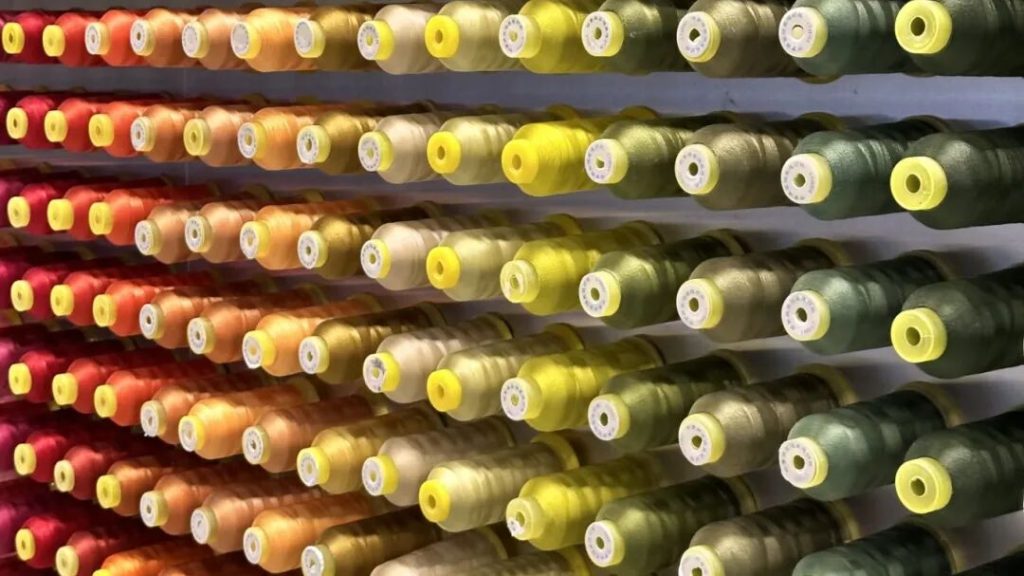
Solution-dyed polyester, bio-based colored nylon, recycled dyed-spun cotton blends…
Their costs are approaching those of traditional dyeing, yet downstream brands are willing to pay a 15–20% premium for “zero wastewater”.Whoever secures stable bulk supplies of colored fibers first will gain exclusive access to high-end orders.
3.The Design Premium of Yarn-Dyed Fabrics
With the same fabric structure, yarn-dyed fabrics can create unique woven textures through warp-weft color contrast and gradient yarns, making them more visually distinctive than piece-dyed fabrics.Smart procurement teams are already using yarn-dyed fabrics to replace part of their printed orders.
PART.2
No beating around the bush — sample matching on site.
On April 21, on the 4th floor of the Textile New Materials Center in Keqiao Textile City, an industry event focusing on colored fibers, solution-dyed spinning and yarn-dyed weaving will be held:
First Half · Salon:
Four keynote presentations (industry status, fabric development, flexible production, new fibers) + a 30-minute interactive discussion, fully covering trends and pain points.
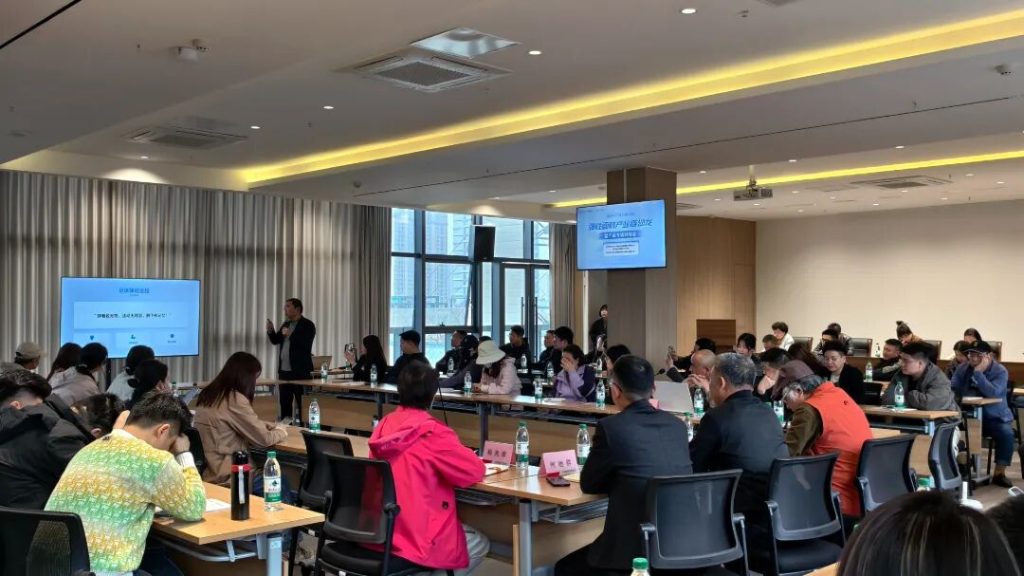
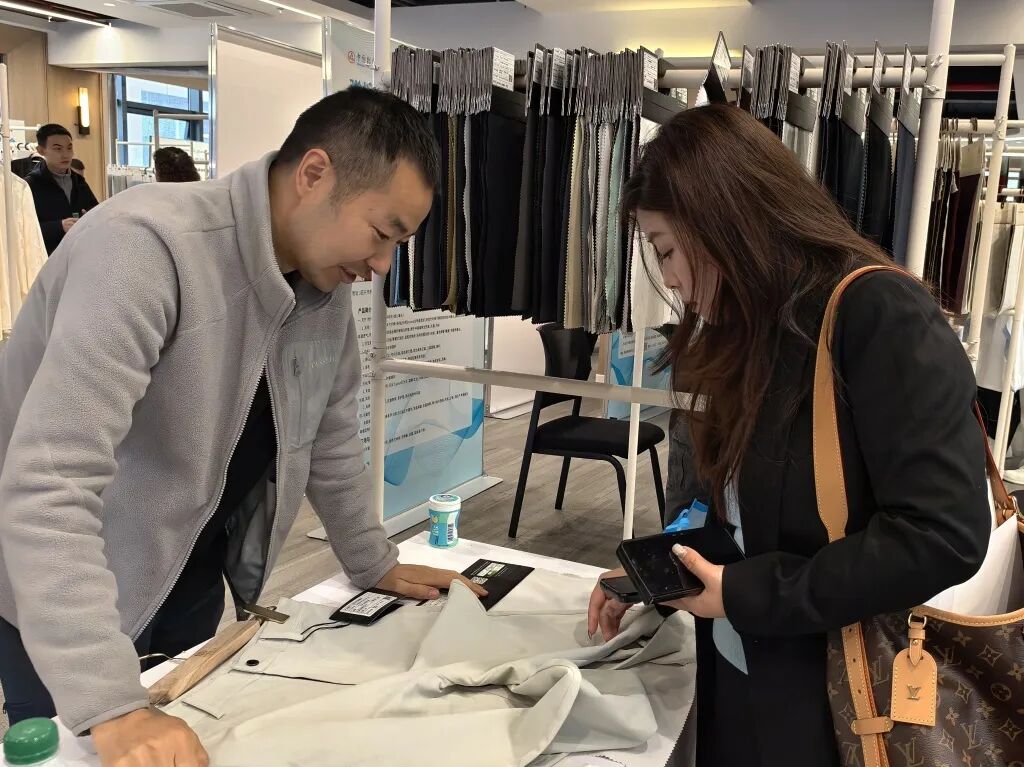
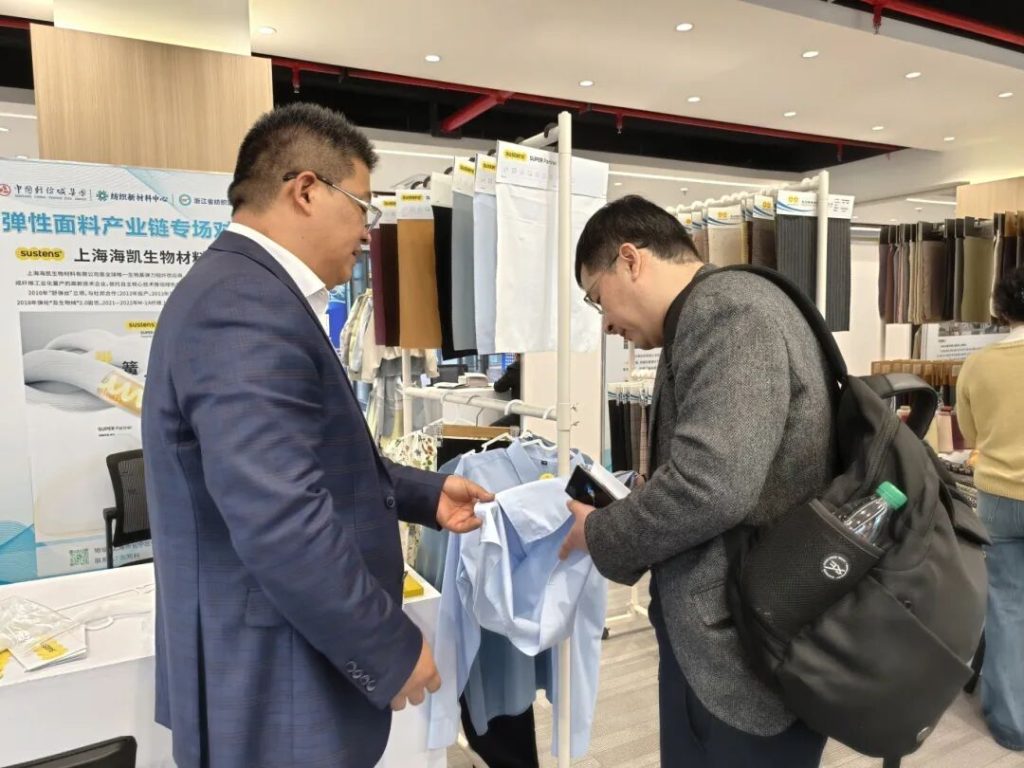
Second Half · Exhibition:20 upstream and downstream enterprises will showcase the latest samples of colored fibers, solution-dyed yarns and yarn-dyed fabrics, with on-site sample viewing, standard matching and delivery discussions.
Carbon tariffs wait for no one, and brands are applying pressure.
Whoever first establishes a fully functional “zero-wastewater” colored fiber supply chain will seize the initiative for orders over the next three years.