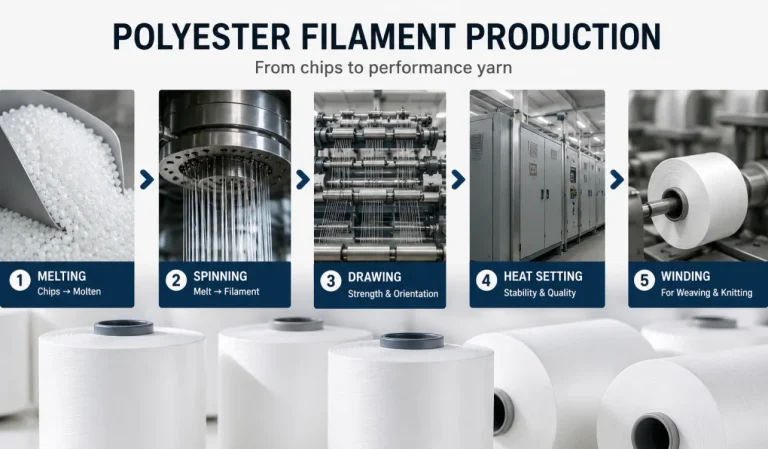
Polyester filament production from PET chip melting to spinning, drawing, heat setting and winding

Polyester Filament Production: UDY, MOY, POY, DTY and FDY

Polyester filament production can follow several routes, and each route changes the yarn’s orientation, residual draw, elongation, package stability and downstream performance. A mill may spin directly from polymer melt or remelt dried PET chips. It may then use conventional,…
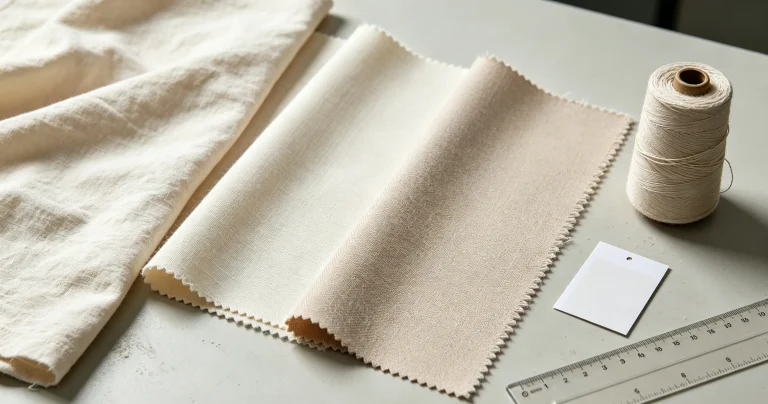
Textile Guide: How to Choose the Right Fabric Blend Ratio

1. First, Understand the Main Fiber When buying clothes, many people skip the care label. However, numbers such as “65% polyester, 35% cotton” or “60% cotton, 40% polyester” directly affect how the garment feels and performs. These blend ratios decide…

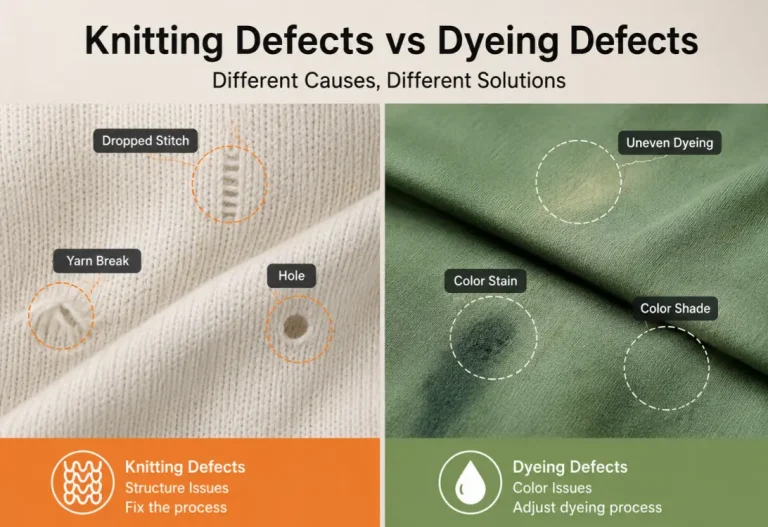
Knitting defects vs dyeing defects showing dropped stitches, yarn breaks, uneven dyeing, color stains and shade variation

Knitting vs Dyeing Defects: How to Assign Responsibility

A hole, shade band, horizontal line or snag may look easy to classify on finished fabric. In real production, it rarely is. The same appearance can come from yarn variation, loop formation, chemical damage or contact with dyeing and finishing…

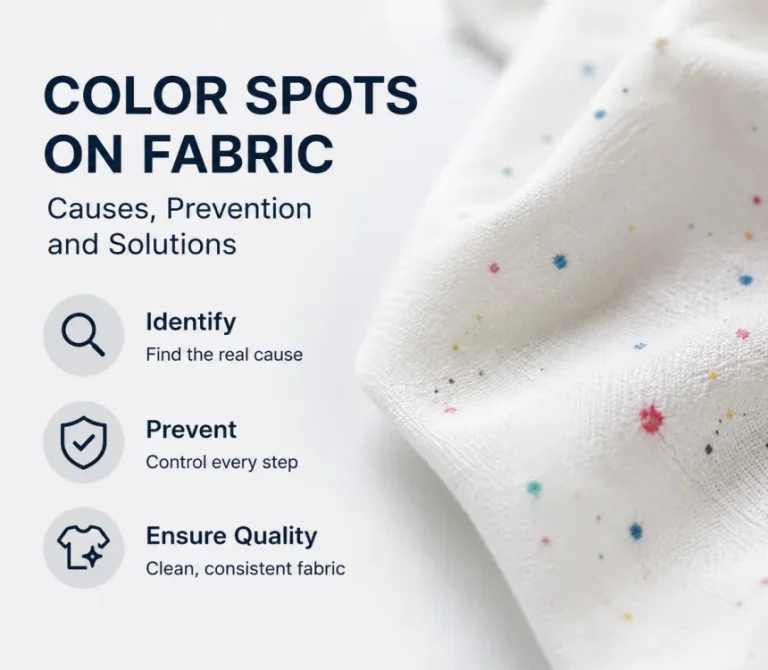
Color spots on white fabric with steps to identify causes, prevent defects and ensure consistent fabric quality

Color Spots on Fabric: 8 Causes and Factory Fixes

When color spots on fabric appear across a production roll, the dye is often blamed first. In practice, the source may be loose fiber, dye migration, incompatible auxiliaries, a dirty guide roller, or a leaking pipe. On the dyeing floor,…