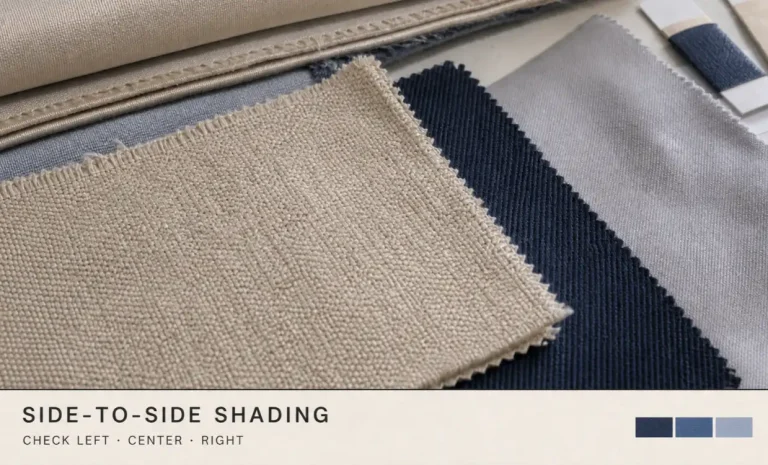
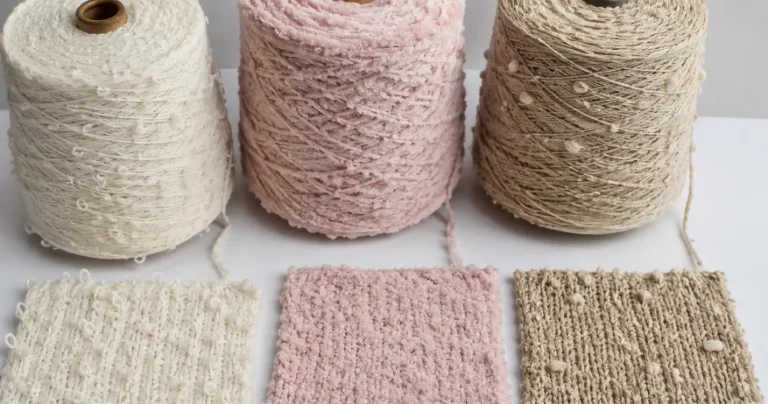
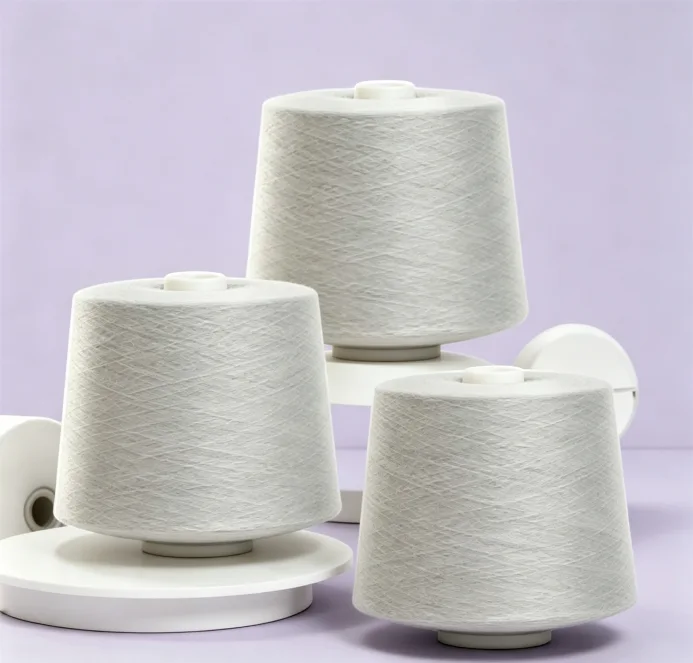
Fabric swatches illustrating side-to-side shading checks across the left, center and right.

Side-to-Side Shading in Fabric Dyeing: Causes and Fixes

Side-to-side shading occurs when one edge of a dyed fabric looks darker than the other, or when the center differs from both sides. The defect often appears after dyeing, drying, fixation or washing-off. By that stage, several small widthwise differences…
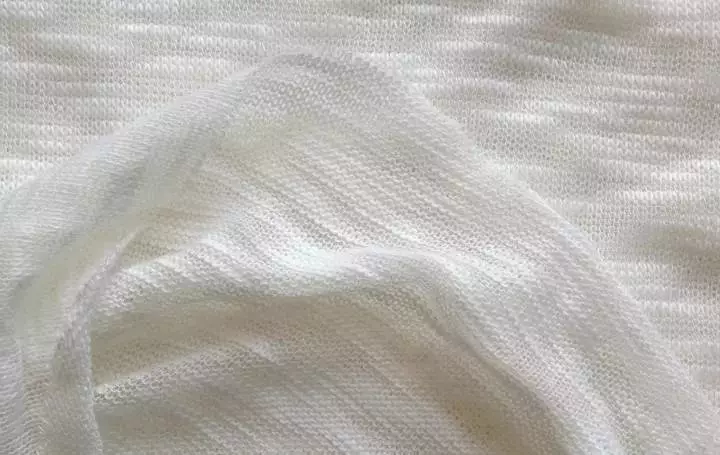
Characteristics of Slub Yarn

What Is Slub Yarn?

Slub yarn is a type of yarn with uneven thickness along its length. Some sections are fine, while others are thicker and raised. These thicker parts are call “slubs” because they look similar to the joints of bamboo. In the…

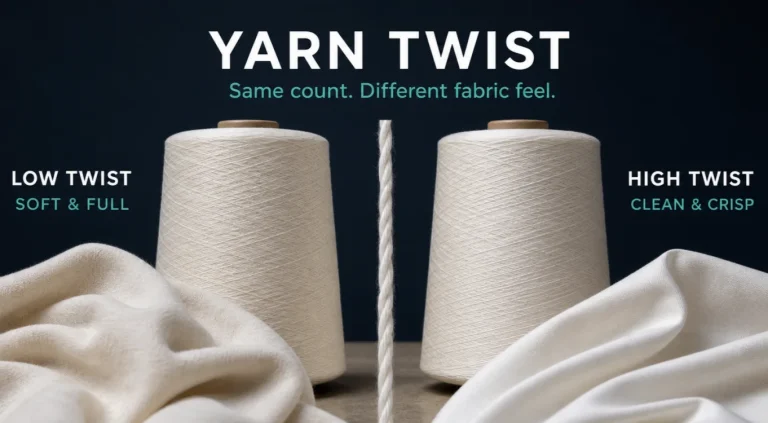
Yarn twist comparison showing soft low-twist cotton and crisp high-twist cotton fabric

Yarn Twist: Why the Same Cotton Count Feels Different

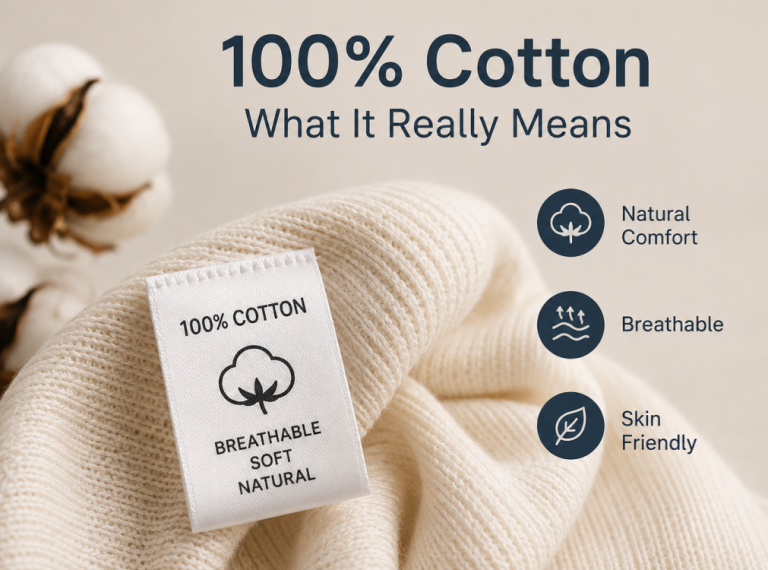
Two fabrics can both be quoted as “100% cotton, Ne 40/1” and still feel completely different. One feels soft and full. The other is dry, firm, or almost papery. Yarn twist is often the missing number behind that difference. It…

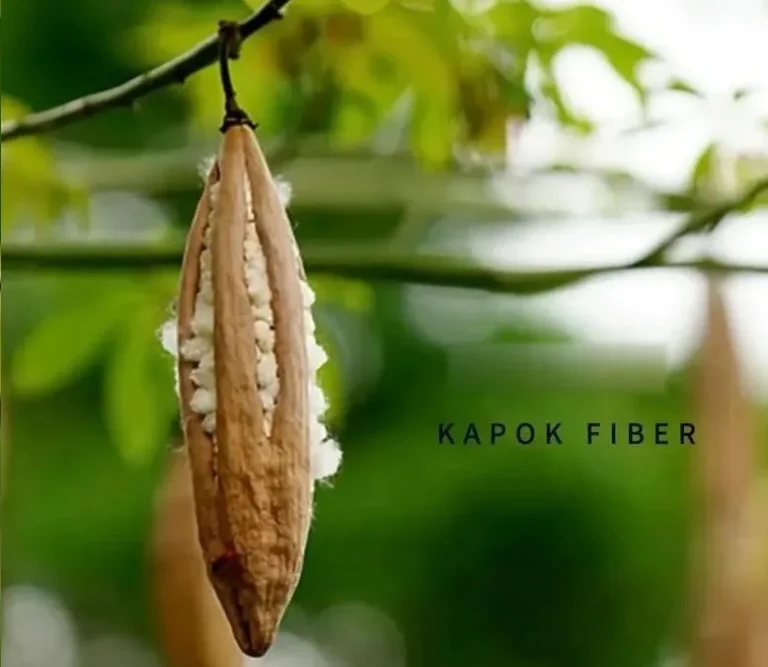
kapok fiber

Kapok Fiber: A Natural Functional Fiber Different From Cotton

Natural Fiber Guide | Kapok Fiber | Textile Materials and Processing This fiber is often mentioned together with cotton because of its soft appearance and plant origin. However, kapok is not the same as conventional cotton. Its hollow structure, chemical…

UV-Protective Yarns

Functional Yarns Behind Cooling and UV-Protective Summer Clothing

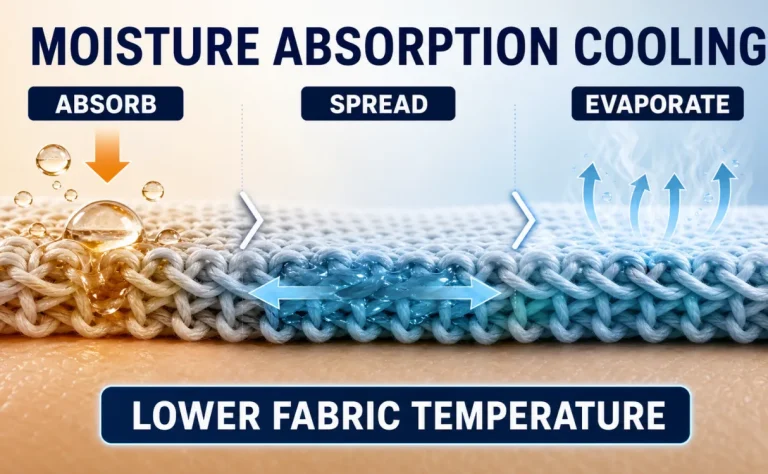
Functional Textile Guide | Cooling Yarn | UV-Protective Yarn | Summer Apparel In hot summer weather, lightweight fabric is no longer enough. Consumers now expect summer clothing to feel cool, breathable, and protective under strong sunlight. As a result, UV-protective…