WhatsApp : (+86) 19058080181 Email : [email protected]


Ultrafine Metal Conductive Yarn for EMI Shielding & ESD Control
$12986
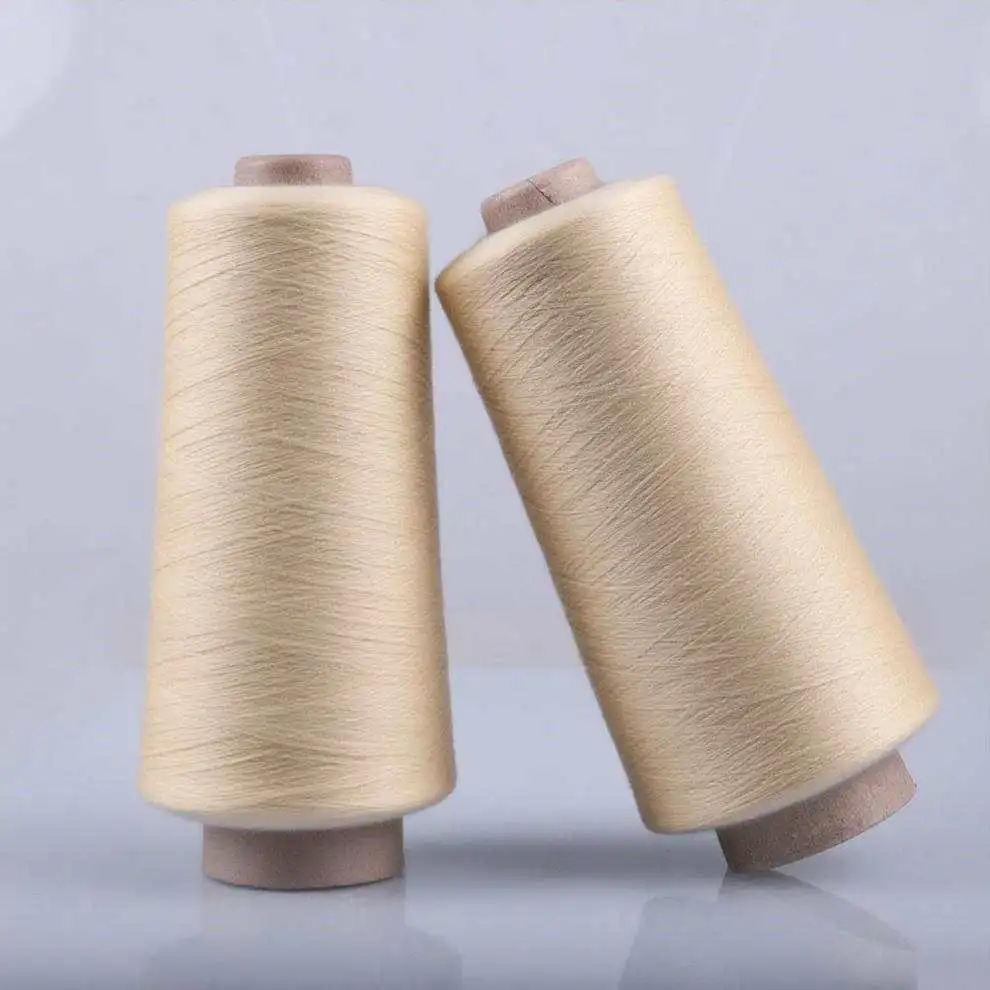
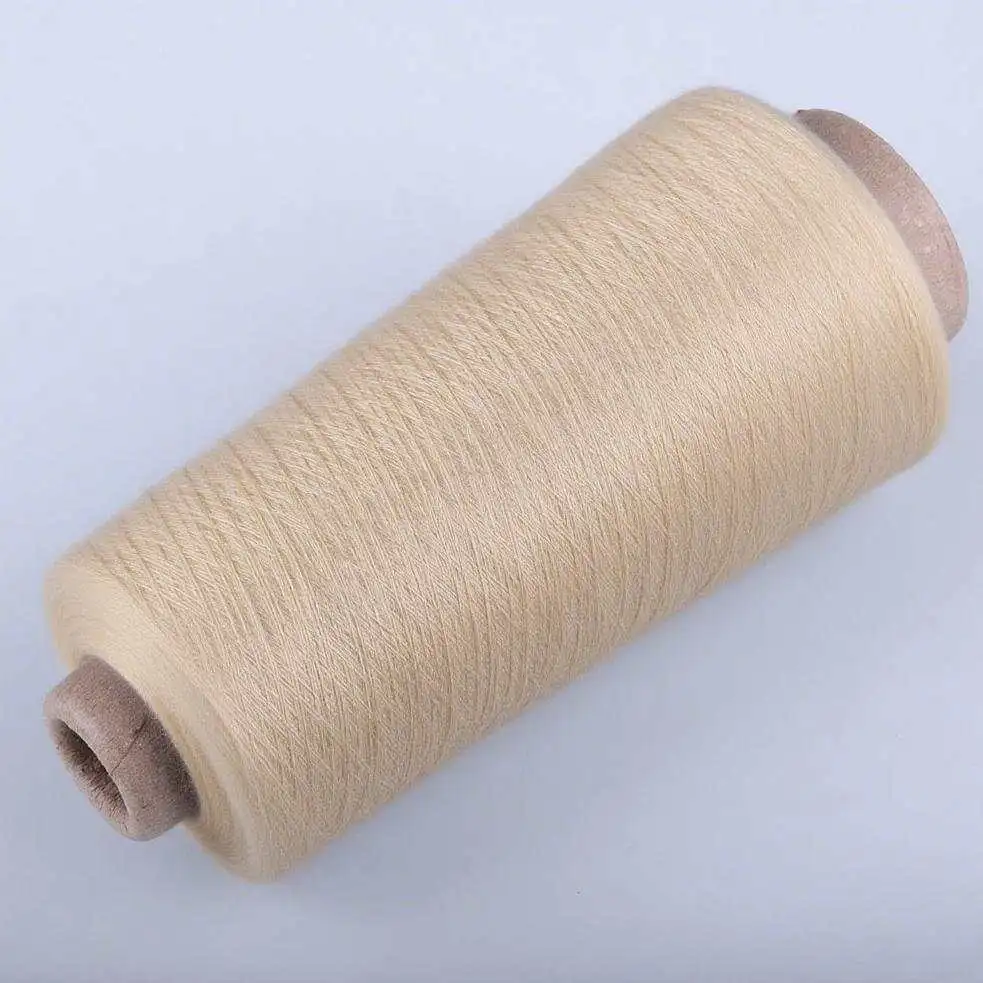
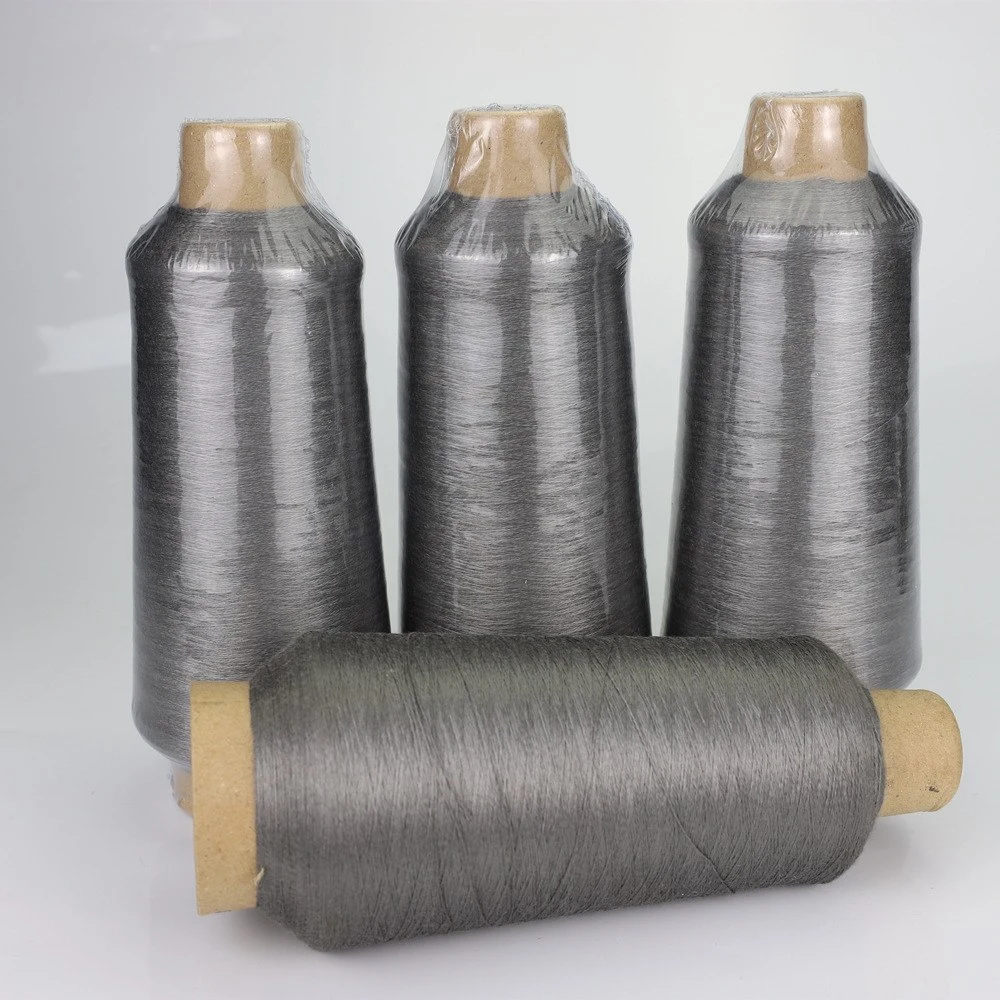
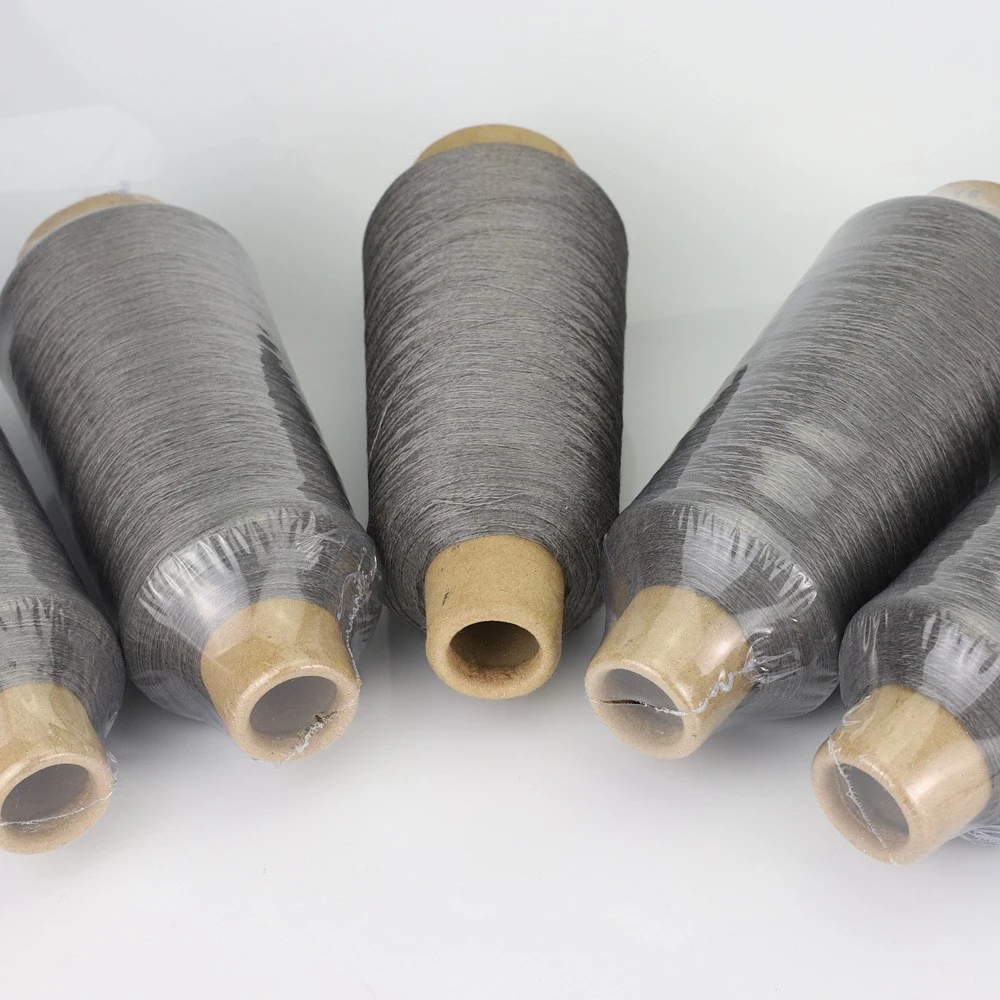
Ultrafine metal conductive yarn for EMI/RFI shielding, ESD control and heat-resistant smart textiles. We compact-spin high-purity ultrafine metal fiber into a flexible yarn, so mills can knit or weave conductive fabric for wearables, PPE, heated textiles, sensor fabrics and EMF protection garments.
- Blend rate: High-purity ultrafine metal fiber; blend ratio set to your conductivity, hand feel and end-use needs
- Count: Customizable for target resistance, fabric structure and production process
- Color: Custom shades to your color standard
- Process: Compact spun for better evenness, lower hairiness and smoother knitting or weaving
- Packaging: Sealed plastic bag in a carton or outer bag, 25 kg per package
- Minimum order: 25 kg per color
What Is Ultrafine Metal Conductive Yarn?
VI-TEX ultrafine metal conductive yarn is a compact-spun yarn made with high-purity ultrafine metal fiber. It is a conductive yarn for textile projects that need EMI/RFI shielding, ESD control or a stable electrical path. At the same time, the finished fabric still has to flex and feel like a textile.
Most developers start with two imperfect options. Metal wire conducts well, but it is stiff in fabric and hard on knitting needles. Surface-coated yarns feel soft; however, the conductive layer sits on the outside, so performance can drop as the coating wears. In this yarn, the metal fibers run through the yarn body instead. Compact spinning then keeps the yarn smooth enough for ordinary circular knitting, flat knitting and weaving.
Typical end uses include smart wearables, industrial PPE, heated apparel, sensor fabrics and EMF protection garments. Moving from samples toward production? Then settle the yarn count and resistance target early, because both shape the fabric design and the price.
Ultrafine Metal Conductive Yarn vs. Silver-Coated Nylon and Metal Wire
On the production floor, knittability, flexibility, heat resistance, durability and connection stability matter as much as conductivity. For that reason, the table compares the three options on each of these points.
| Feature | VI-TEX Ultrafine Metal Conductive Yarn | Silver-Coated Nylon | Traditional Metal Wire |
|---|---|---|---|
| Conductivity stability | Stable, because the metal fibers sit inside the yarn | Can drop when the coating wears | Stable, but the wire limits comfort |
| Flexibility and hand feel | Textile-like, suited to wearable fabrics | Soft | Stiffer than textile yarn and less comfortable |
| Processing | Smooth knitting and weaving with fewer machine stops | Runs well in light conductive textiles | Higher risk of needle wear and stoppages |
| Heat resistance | Suited to heat-exposed textile parts | Limited by the nylon base | High |
| Corrosion resistance | Good, although it depends on the metal system and storage | Moderate | Varies with metal and environment |
| Best fit | EMI shielding fabric, ESD textiles, smart wearables, heating and sensor fabrics | Light conductive apparel and general wearables | Rigid electrical paths and non-textile structures |
Coated yarns still have their place. For socks and light wearable parts, a plated filament such as our PVD silver conductive yarn is often simpler. Metal fiber yarn fits better when the fabric must keep conducting through daily wear or sits near a heat source.
Why Source Metal Conductive Yarn from VI-TEX
You work directly with the mill, so questions, sample plans and quotes reach the production team without a middleman.
Metal fiber is not an easy material to spin. In particular, it costs more and breaks more easily in processing. It can also make fabric feel harsh, as our article on conductive fibers in textiles explains. To deal with this, we use compact spinning, which condenses the fibers before twisting. As a result, the yarn has less hairiness, so it feeds more evenly into knitting and weaving machines.
We track resistance, yarn strength and processing behavior lot by lot, so bulk yarn stays close to your approved sample. We can also adjust yarn count, metal fiber ratio, color and construction for your target application. Stock colors are available for sampling and pilot runs, so you can test on your own machines first.
Product Specifications
We tune the specification for shielding, sensing, heating or anti-static use. Once we know your target resistance and fabric design, we can suggest a yarn construction to sample.
| Parameter | Details |
|---|---|
| Product category | Conductive yarn / functional yarn |
| Core material | High-purity ultrafine metal fiber |
| Spinning technology | Compact spun |
| Yarn count | Spun to order |
| Key functions | EMI/RFI shielding, ESD control, anti-static performance, heat resistance, thermal conductivity |
| Color options | Custom, matched to your color standard |
| Application fields | Smart textiles, wearable sensors, heated apparel, EMF protection garments, industrial PPE |
Pricing and Lead Time
Price depends on metal content, yarn count, conductivity target, color and order volume. Because metal commodity prices also move, we confirm the specification first and then quote for bulk.
Stock orders ship 1–2 days after confirmation, while custom orders take 3–15 days after we confirm the specification. Timing for custom lots depends on volume and color. If you already have a test date, mention it when you inquire, so we can check stock first.
Packaging and Shipping
Metal fiber yarn needs protection from moisture in storage and transit. For this reason, each 25 kg package has a sealed plastic inner bag inside a carton or plastic outer bag. Bulk orders ship by sea from Shanghai or Ningbo port. Samples and small orders, however, go by DHL, FedEx or another express service.
Test Reports and Documentation
For compliance review and production approval, buyers usually need documents as well as yarn. We can discuss REACH, OEKO-TEX or other relevant reports, depending on the specification and application you choose. In addition, we developed our metal fiber spinning know-how in-house. It is what keeps this yarn flexible enough for normal textile processing.
Ultrafine Metal Conductive Yarn FAQ
Where does the conductivity come from, and will it wash out?
The conductivity comes from ultrafine metal fibers spun into the yarn, not from a surface coating. Because nothing depends on a plated layer, there is no coating to peel or wash off. Still, fabric resistance can shift with laundering and wear, so check it against your own wash method before bulk orders.
Can you adjust resistance, yarn count or metal content?
Yes. We change the yarn count, metal fiber ratio and construction to reach a target resistance, shielding level or hand feel. A higher metal share generally lowers resistance, but it also makes the yarn firmer. So your fabric type, operating voltage and expected resistance range tell us where to strike that balance.
What EMI/RFI shielding level can a fabric made with this yarn reach?
There is no single dB figure for the yarn alone. Shielding effectiveness depends on frequency, metal content, fabric density, grounding design and test method. For example, ASTM D4935 is a common method for flat fabric samples, and it covers roughly 30 MHz to 1.5 GHz. Once your lab tests the real fabric, we can raise or lower the metal content to close the gap.
Does the metal fiber wear out knitting needles?
Compared to solid metal wire, it carries a much lower risk of needle wear. The compact-spun structure reduces stiffness, so the yarn forms loops more evenly on circular and flat knitting machines. Even so, yarn count, machine gauge and fabric structure all affect how it runs on your line.
Can it carry current in heated textiles or wearable electronics?
Yes. The yarn suits flexible circuits, heated apparel, wearable sensors and smart textiles that need stable conductivity in a soft fabric. Before mass production, however, check resistance, temperature rise, connection stability and product safety in the final design.
Is it comfortable enough for skin-contact products?
It can be, as long as the fabric is designed for comfort. Hand feel depends on the yarn specification, blend design, knit structure and finishing. For next-to-skin wearables, a pilot knit followed by a short wear trial shows whether the fabric feels right.
How should the yarn be connected to terminals or electronics?
During knitting and weaving, you can handle it like any other textile yarn. Electrical connection points, however, need tighter control. Firm mechanical connections or conductive adhesive at the terminals keep contact resistance low. Then, after assembly, a continuity check confirms each joint.
Is ultrafine metal conductive yarn the same as metallic yarn?
No. Decorative metallic yarn is usually a slit polyester film with a thin aluminum or silver layer under a resin coat. It is made for appearance rather than conductivity. By contrast, ultrafine metal conductive yarn has metal fibers spun into the yarn, so current flows through the yarn itself.
Should I choose this yarn or the 50 micron stainless steel conductive yarn?
That depends on how you build the conductive part. Our 50 micron stainless steel conductive yarn comes on cones, mainly for conductive sewing. You use it to stitch lines or patches into a fabric. This ultrafine metal conductive yarn, on the other hand, goes into the conductive fabric itself. You knit or weave it into a shielding panel or an ESD zone.
For a recommendation and a quote, send us your target resistance, fabric structure, application, color and annual volume. If you also know the yarn count or sample quantity, add those too.