WhatsApp : (+86) 19058080181 Email : info@vi-tex.com

Cooling Yarn Uses: Bamboo Fiber in Summer Textile Production
When buyers ask about cooling yarn uses, they usually want a production answer. Will the yarn keep a comfortable, cool-touch feel after knitting, finishing, washing, and daily wear? The answer depends on the fiber route, yarn count, structure, fabric construction, and finishing. Bamboo fiber can support summer textile programs. A quick hand test cannot approve a bulk order.
We have worked on this in Jiaxing for years. In summer, our sampling area often rises above 30°C. That heat exposes weak choices quickly. A yarn may feel cool for a few seconds, then lose comfort after finishing or movement. We therefore check the finished sample, not just the cone in our hands.
Where Bamboo-Based Cooling Yarn Fits
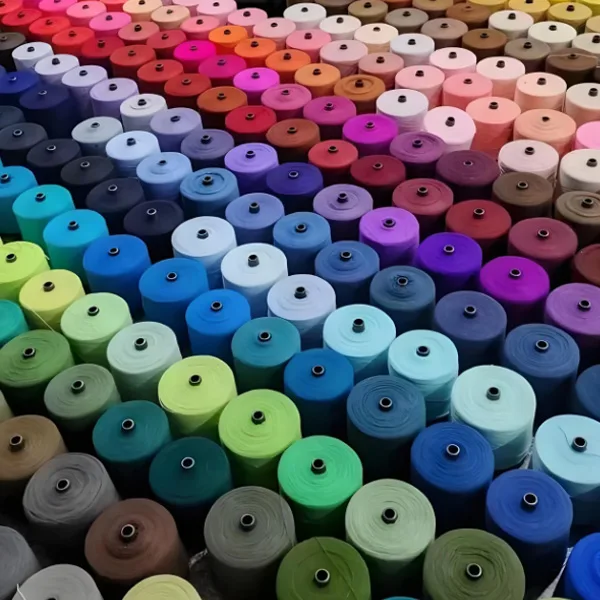
In practical terms, bamboo fiber cooling yarn uses cover three broad areas: summer apparel and socks, home textiles, and selected health-related textile projects. Each end use creates a different test question. Skin contact, moisture movement, fabric weight, wash care, and machine stability may all matter.
Apparel, socks, and knitwear
These products put the yarn close to the skin. Mills choose bamboo-based yarn when they want a soft summer hand feel and comfortable wear. T-shirts, dresses, shorts, underwear, sportswear, socks, and lightweight knitwear all require the right count, twist, blend, machine gauge, and finishing.
The yarn name alone does not determine the final result. The fabric construction and finishing process shape what the wearer feels.
Home textiles
Sheets, quilt covers, pillowcases, curtains, towels, and bath towels can all use bamboo-based yarn. In these products, first-touch and first-night comfort often influence consumer feedback. Washing, fabric weight, moisture behavior, and finishing still decide whether that comfort lasts.
Selected health-related textile applications
Some buyers explore bamboo-related yarn for gauze-like structures, bandage-related textiles, and mask lining structures. Treat these as product-specific applications. The finished item still needs the required standard and supporting evidence.
Some bamboo-cotton product names include antibacterial wording. Treat that wording as a claim to verify, not as a universal property of every bamboo yarn.
What Bamboo-Based Yarn Can Contribute
- Cool-touch comfort: Yarn structure and moisture movement can influence the first-touch feel. The finished fabric decides whether that feel lasts.
- Moisture behavior: Fiber selection, fabric density, and finishing affect how the product takes up and releases moisture.
- Softness: Regenerated bamboo-derived fibers often give a smoother hand, while natural bamboo fiber can give a firmer character.
- Claim support: Antibacterial, deodorizing, UV, or health-related wording needs evidence for the actual yarn or finished product.
- Sustainability wording: Bamboo as a raw material does not prove that every process or finished yarn has the same environmental profile.
Natural Bamboo Fiber vs. Bamboo-Derived Regenerated Fiber
The term “bamboo fiber” can cover different materials. Confirm the fiber name and composition on the technical sheet before you write a product claim or compare suppliers.
Natural bamboo fiber
A natural bamboo fiber product follows a more direct route from the bamboo stalk, often with mechanical processing. It tends to keep a firmer, more natural character. For production, check fiber length, yarn count, twist, machine gauge, and finishing because the raw material alone does not determine performance.
VI-TEX lists 100% bamboo fiber options in counts such as 20/1, 20S/1, 20 to 40S, and Ne 32/2. Confirm the exact count, composition, and intended use on the current product sheet.
Bamboo-derived regenerated fiber
Bamboo-derived viscose or rayon starts with cellulose from bamboo. The producer dissolves the cellulose and regenerates it into a textile fiber. This route can give mills more consistent fiber behavior, easier dyeing, richer color expression, and a smoother hand for larger-scale production.
Use the actual fiber name in technical documents, product labels, and market copy. Do not describe every regenerated product as natural bamboo fiber.
Neither route wins for every project. Match the route to the final product, fabric weight, machine settings, wash target, and supporting test results.
What Buyers Should Test Before Bulk Production
A sample can feel right and still cause trouble on the line. Before you approve a cooling yarn supplier, compare four points:
- Fiber name and composition: Confirm whether the product contains natural bamboo fiber, bamboo-derived viscose, or a blend.
- Yarn count and structure: Match the count, ply, twist, and cone format to the knitting or weaving process.
- Finished-product comfort: Test the actual fabric or garment after movement, washing, and finishing.
- Current evidence: Request the product-specific report for cooling, moisture, antibacterial, deodorizing, or other performance claims.
The test method matters. If antibacterial performance affects the label, request the actual report and check the test method, sample preparation, and evaluation criteria. Our antibacterial yarn testing guide explains why these details matter.
Bamboo Yarn Options in the VI-TEX Product Library
VI-TEX lists several bamboo yarn options rather than one universal specification. The range includes 20/1 and 20S/1 100% bamboo yarn for knitting and weaving, 20 to 40S bamboo yarn for knitwear, Ne 32/2 bamboo yarn, and 32S 80/20 bamboo-cotton blend yarn.
You can start with the 20/1 100% bamboo yarn or compare the 32S 80/20 bamboo-cotton blend yarn. Confirm the current count, composition, color, MOQ, lead time, and supporting documents before placing an order.
A Practical VI-TEX Sampling Process
In Jiaxing, we use a simple sequence:
- Confirm the end use, machine gauge, fabric construction, and target season.
- Choose the fiber route, yarn count, blend, and structure.
- Run a sample and check hand feel, moisture movement, appearance, and line behavior.
- Finish or wash the sample as the final product requires.
- Record the approved parameters before bulk production.
Our review sheet always returns to two questions: Does the fabric stay comfortable after movement? Can the yarn run steadily in repeat production? Answering these questions early reduces resampling, delays, and after-sales pressure.
Why Origin and Supply Continuity Matter
China remains an important base for bamboo fiber and related yarn production. Zhejiang, Jiangxi, Fujian, Hunan, and Sichuan connect bamboo resources with textile processing. For B2B buyers, that supply chain can simplify coordination between material processing, spinning, dyeing, and downstream development.
Origin alone does not prove quality. Compare actual lot consistency, documentation, communication, and lead-time performance before you choose a supplier.
Questions Buyers Ask About Bamboo Cooling Yarn
Does bamboo fiber always feel cool?
No. The finished result changes with the fiber route, yarn structure, fabric weight, finishing, washing, and wearing conditions. Approve the finished fabric or garment, not a quick hand test alone.
Can bamboo yarn work for summer socks and apparel?
Yes, some counts and blends fit these products. Match the specific count and structure to the machine and fabric, then approve a finished sample. The product library connects bamboo yarn with socks, apparel, knitwear, and weaving programs, but each SKU needs its own review.
How should I describe antibacterial performance?
Use the result for the actual yarn or fabric, name the test method, and keep the claim within its evidence. Do not turn a general bamboo association into a universal promise. If the wording will appear on packaging or export documents, obtain the current product report before publishing it.