WhatsApp : (+86) 19058080181 Email : info@vi-tex.com

PLA Lyocell Blended Fabric: Production Process and Key Benefits
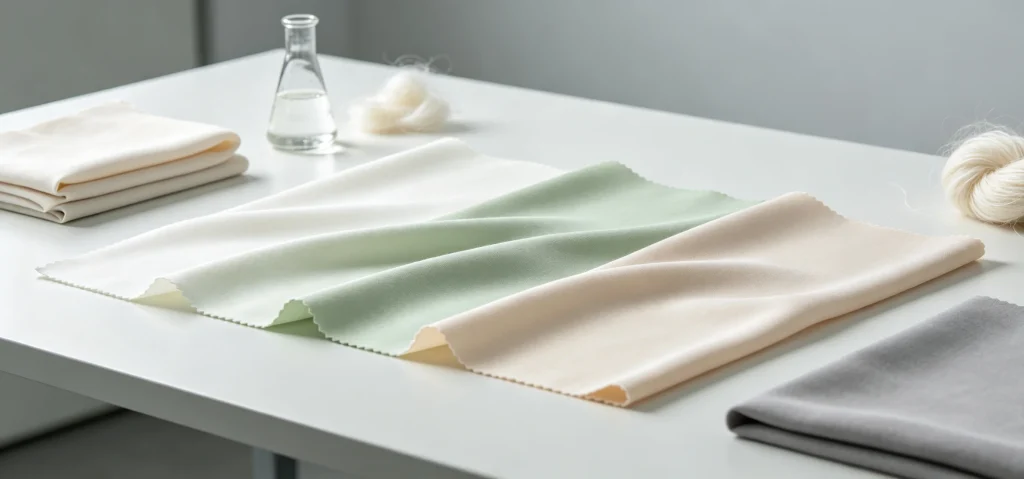
A Sustainable Blend for Modern Textile Development
As sustainable textiles continue to gain attention, more brands are looking for fabrics that combine comfort, performance, and a lower environmental impact. Among these options, PLA fiber and lyocell fiber have become two important materials in eco-friendly fabric development.
PLA, also known as polylactic acid fiber, is made from renewable plant-based resources. It offers a smooth touch, good resilience, and a bio-based material profile. Meanwhile, lyocell is a regenerated cellulose fiber known for its softness, breathability, moisture absorption, and natural drape.
When these two fibers are blended together, the fabric can balance the clean feel of PLA with the skin-friendly comfort of lyocell. Therefore, PLA lyocell blended fabric is suitable for T-shirts, casualwear, underwear, loungewear, summer tops, baby clothing, and light home textiles.
Why Blend PLA with Lyocell?
PLA fiber brings a smooth surface, fresh hand feel, and better shape retention to the fabric. It also supports a more sustainable product story, which is valuable for brands developing eco-conscious apparel.
However, PLA needs careful processing because it is sensitive to high temperature and strong alkali. If the dyeing or finishing process is too harsh, the fabric quality may be affected.
Lyocell helps balance these limitations. It improves moisture absorption, breathability, softness, and drape. In addition, lyocell makes the final fabric more comfortable for daily wear.
As a result, this blend offers both functional performance and a natural, refined wearing experience.
Key Points in Fiber Blending
The production process starts with stable fiber blending. Since PLA and lyocell have different fiber properties, the opening and mixing process should keep the fibers even while reducing damage.
During production, manufacturers need to control fiber length, fineness, moisture regain, and static. If the blending is uneven, the yarn may show weak strength, poor uniformity, or color difference after dyeing.
Therefore, a stable blending process helps improve yarn quality and creates a better foundation for the following spinning, knitting, weaving, and finishing steps.
Spinning Process
In the spinning stage, the key focus is yarn evenness, hairiness control, and strength stability. PLA fiber may produce static during processing, while lyocell absorbs moisture more easily. Because of this, workshop temperature and humidity should stay stable.
The carding and drawing process should keep the fiber web smooth and uniform. At the same time, roller pressure, drafting ratio, and spindle speed should match the fiber blend ratio.
Twist level also matters. If the twist is too low, the yarn may not have enough strength. However, if the twist is too high, the fabric may feel stiff and lose softness. With proper control, PLA lyocell blended yarn can achieve a smooth surface, stable quality, and comfortable hand feel.
Fabric Formation
PLA lyocell blended yarn can be used in both knitted and woven fabrics.
For knitted fabrics, yarn tension, needle condition, and loop formation should be carefully controlled. Stable tension helps reduce broken ends, uneven loops, and fabric distortion.
For woven fabrics, warp tension and weaving speed should remain moderate. Since lyocell is a regenerated cellulose fiber, excessive friction may increase surface fuzz. Therefore, smooth yarn movement and proper machine settings are important.
Depending on the final product, this blended yarn can be used for jersey, rib, interlock, plain weave, twill, and other fabric structures.
Dyeing and Finishing Process
Dyeing is one of the most important steps in PLA lyocell blended fabric production. PLA and lyocell react differently to dyes, temperature, and chemicals. Therefore, the dyeing process should avoid excessive heat, strong alkali, and harsh mechanical treatment.
A gentle dyeing process helps protect PLA fiber while keeping lyocell soft and smooth. For deep colors, the dyeing formula and process time should be tested before bulk production.
After dyeing, soft finishing can improve the fabric’s hand feel, drape, and overall comfort. At the same time, shrinkage, colorfastness, pilling resistance, and dimensional stability should be checked to make sure the fabric meets garment production requirements.
Fabric Performance and Advantages
PLA lyocell blended fabric has a soft, smooth, and breathable touch. Lyocell helps absorb moisture and improves skin comfort, while PLA adds a clean surface and better shape stability.
In addition, the fabric has a natural and elegant appearance. It works well for products that need comfort, softness, and a sustainable material concept.
Compared with ordinary synthetic blends, PLA lyocell fabric has a stronger eco-friendly positioning. Compared with pure cellulose fabrics, it can offer a smoother surface and better structure when the process is well controlled.
Quality Control in Production
To keep fabric quality stable, manufacturers should pay attention to several points.
The fiber blend should remain even. The yarn count and yarn strength should meet the design target. The fabric surface should look clean and smooth. Dyeing should avoid obvious shade difference. Finishing should control shrinkage, softness, and fabric stability.
In addition, colorfastness, pilling resistance, and dimensional stability should be tested before bulk production.
These details directly affect the final garment quality. A good PLA lyocell blended fabric depends not only on fiber selection, but also on careful process control from spinning to finishing.
Conclusion
PLA and lyocell each bring clear value to textile development. PLA supports a bio-based material direction and gives the fabric a smooth, modern touch. Lyocell adds softness, breathability, moisture absorption, and natural comfort.
When blending, spinning, dyeing, and finishing are properly managed, PLA lyocell blended fabric can offer a strong balance of sustainability, comfort, and practical performance.
For brands developing eco-friendly apparel with a soft and breathable feel, PLA lyocell blended fabric is a valuable choice. It brings sustainable fiber innovation closer to everyday clothing and helps create products that feel comfortable, look refined, and support greener textile development.