WhatsApp : (+86) 19058080181 Email : info@vi-tex.com

Pure Cotton: The Imperfect Natural Fiber That Never Goes Out of Style
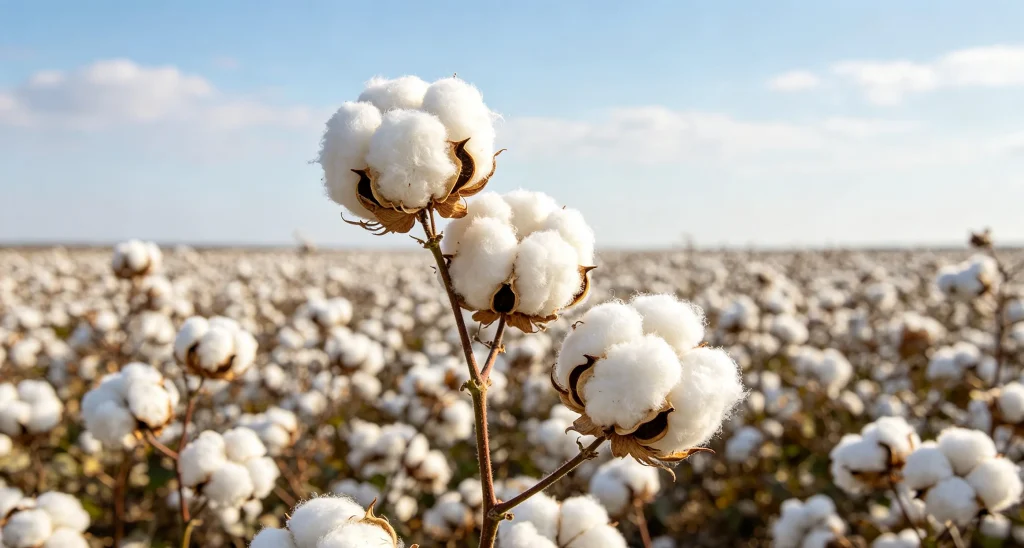
Synthetic fibers, cooling fabrics, and advanced functional materials continue to attract attention every year. However, no matter how quickly textile trends change, pure cotton remains a staple in everyday clothing, bedding, and home textiles.
It does not offer a wrinkle-free finish or a glossy, luxurious appearance. Instead, it comes with several well-known limitations. Nevertheless, its natural comfort, breathable structure, and long-standing reputation have helped it remain one of the most trusted natural fibers in the textile industry.
1. The Great Contrast: Easy to Criticize, Hard to Replace
Many consumers associate pure cotton with shrinkage, wrinkles, sweat cling, and difficult care. Compared with smooth, wrinkle-resistant synthetic blends, cotton may seem less convenient. Some shoppers even avoid it because they believe it looks inexpensive or lacks sophistication.
However, this view often focuses only on cotton’s natural limitations. It overlooks the qualities that synthetic fabrics cannot fully reproduce.
Cotton fibers have a naturally twisted and hollow structure. This structure supports breathability and moisture absorption without relying on chemical coatings or special additives. As a result, cotton can provide a gentle and comfortable option for sensitive skin and children’s clothing.
At the same price level, synthetic fabrics often depend on chemical treatments to create a smooth and polished surface. Long-term close-to-skin wear may cause a stuffy feeling or static. Cotton, in contrast, offers a warm, soft, and skin-friendly touch that remains difficult for modified fibers to imitate.
This difference explains why high-quality close-fitting garments often use 100% cotton as their core material. Some products may look similar on the outside, yet their comfort and material value can differ significantly.
2. Simple and Practical: Suitable for Everyday Use
The textile market is full of fashionable terms, including cooling silk, temperature-regulating fibers, permanent wrinkle resistance, and zero-static finishes. Brands often use these concepts to create a stronger product story and increase their market value.
Pure cotton follows a simpler path. It does not need complicated marketing terms or excessive chemical modification. Instead, it relies on the natural properties of cotton to serve everyday needs.
Cotton works across many product categories and seasons. Lightweight cotton T-shirts provide breathability and comfort in summer. Thick cotton flannel helps retain warmth in autumn and winter. In addition, cotton appears in underwear, pajamas, bedding, workwear, children’s clothing, and many other products.
It does not depend on carefully styled images or luxury positioning. Cotton remains closely connected to daily life and continues to serve a broad range of consumers.
Trendy fabrics may attract attention for one season and then disappear. Cotton, however, has maintained stable demand for decades. It remains one of the most dependable basic materials in the textile industry.
3. Honest Imperfection: Natural Features Are Not Defects
Many garments promote zero wrinkles, zero shrinkage, and permanent smoothness. In many cases, manufacturers achieve these effects through resin finishes, strong shaping treatments, or other chemical processes.
Although these treatments may improve appearance, they can also reduce the natural breathability of the fabric. Some finishes may block fiber pores and affect skin comfort during long-term wear.
Reliable cotton fabric does not need to pretend to be perfect. Instead, it accepts its natural characteristics:
- Cotton has limited elasticity, so sitting for long periods or washing may create natural wrinkles.
- Unpre-shrunk cotton fabric may shrink within a reasonable range during washing.
- Light-colored cotton garments may release a small amount of loose dye during the first wash.
- Long-term exposure to strong sunlight or heavy friction may gradually make the fabric softer and thinner.
Reliable cotton suppliers should clearly explain these characteristics. They should also distinguish cotton-rich blends with at least 75% cotton from 100% cotton fabrics without synthetic fibers.
More importantly, suppliers should recommend materials according to the end use and explain the correct washing and care methods. This honest approach helps consumers understand what they are buying and supports cotton’s long-term reputation.
4. Long-Term Reputation Comes from Real Wearing Experience
Many functional fabrics depend heavily on short videos, livestream promotions, and influencer marketing to generate quick sales. Once the attention fades, demand may drop just as quickly.
Pure cotton follows a different path. Its reputation comes mainly from real wearing experience and repeated use. Families often choose cotton clothing for children. People with sensitive skin frequently return to cotton underwear and close-fitting garments. Cotton bedding also remains a popular choice for home use.
Consumers may not actively praise cotton production technology. However, when they choose everyday clothing, underwear, pajamas, or bedding, many naturally return to cotton.
Pure cotton does not need a sensational product launch. Instead, generations of daily experience have built a strong and widely accepted reputation. It remains one of the few textile materials that requires little explanation before consumers recognize its value.
5. The Textile Industry’s Basic Truth
The textile industry will continue to explore new fibers, advanced functions, and attractive product concepts. These ideas may bring short-term attention, but long-term demand still belongs to dependable materials such as cotton.
Synthetic fibers can imitate a smooth appearance through special processing. Modified fabrics can provide multiple functions through coatings or chemical treatments. However, they still cannot fully reproduce cotton’s natural softness, breathability, and skin-friendly comfort.
Pure cotton accepts wrinkles, shrinkage, and other natural limitations. It does not chase the unrealistic idea of a completely flawless fabric. Instead, it protects the basic purpose of clothing materials: comfort, breathability, and safe contact with the skin.
It may not be flashy, but people continue to rely on it. It may not be perfect, but it remains deeply trusted.
That is why pure cotton has stayed popular for more than a century and continues to hold an important position in the textile industry.