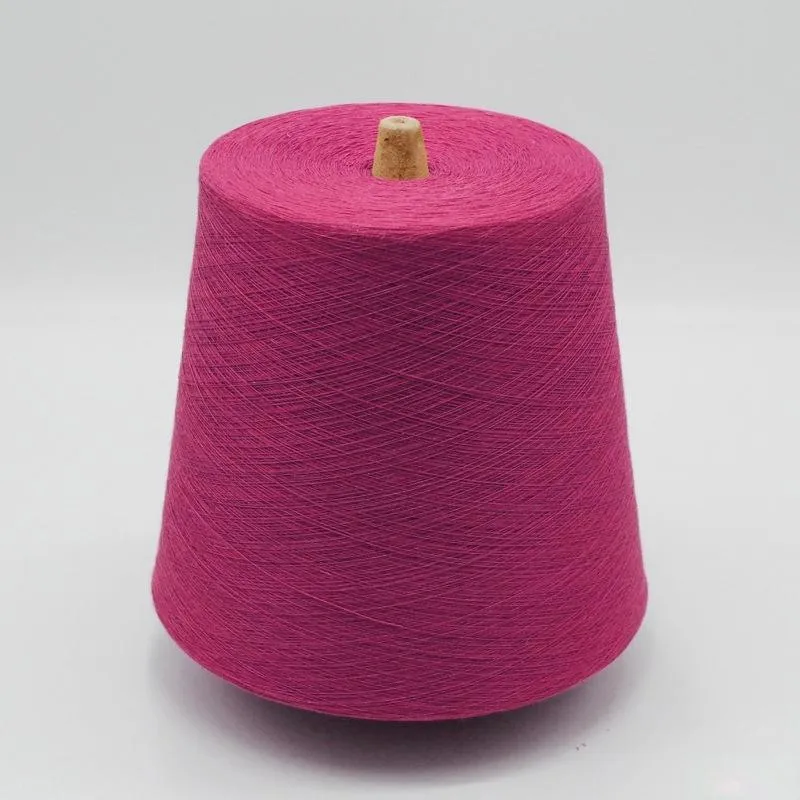
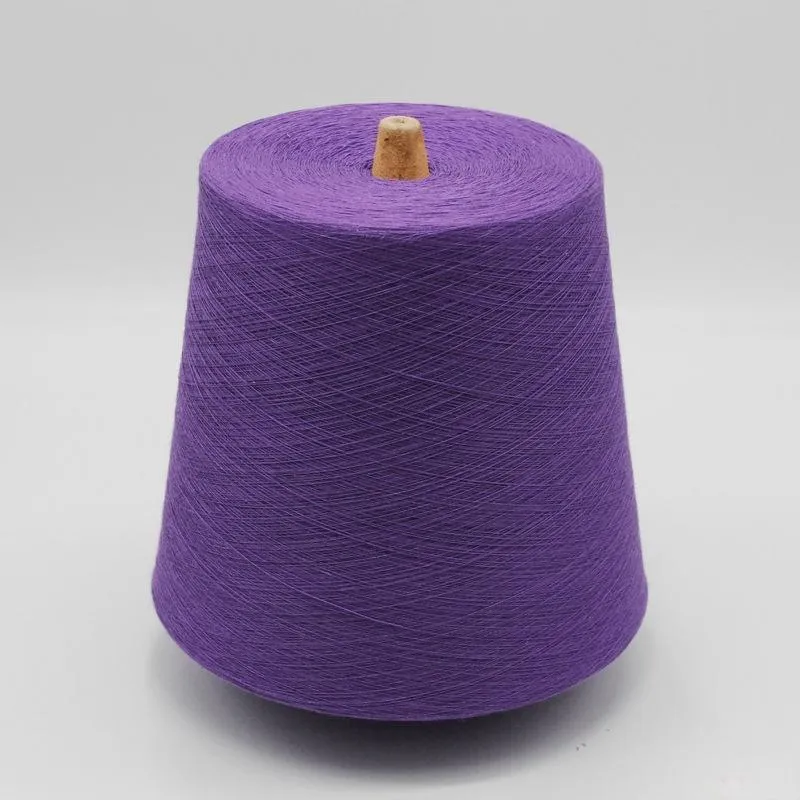
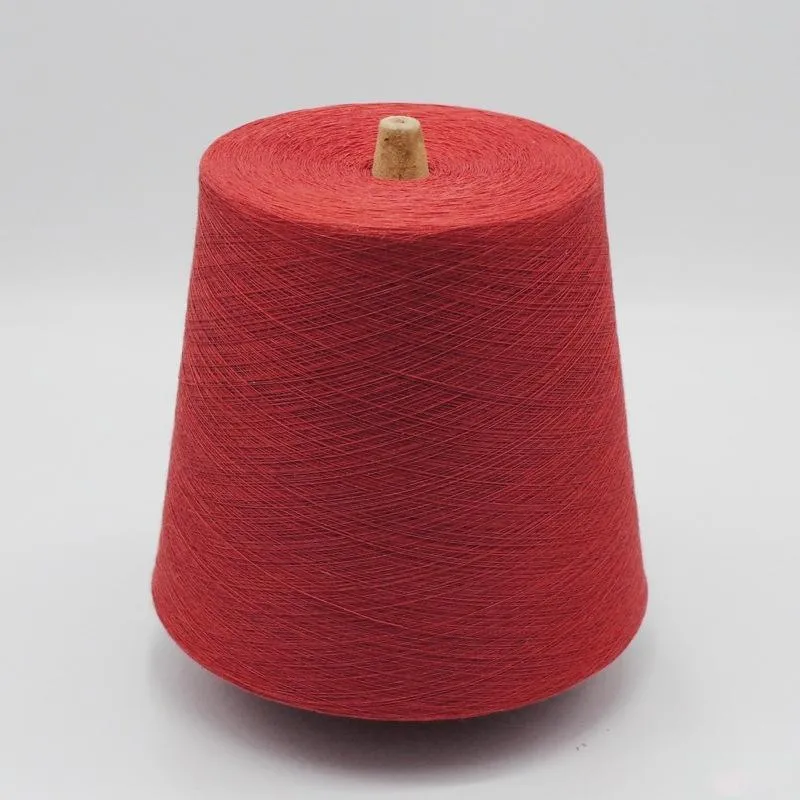
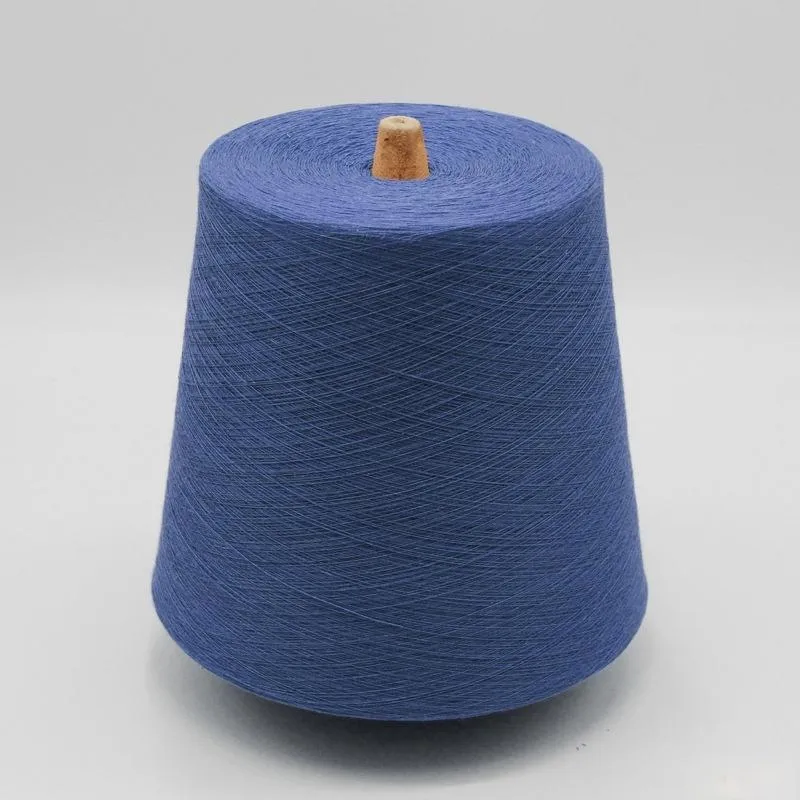
Soft warmth is easier to secure when the yarn decision happens early. Buyers who switch materials close to the autumn-winter window often run into shade mismatch, process instability, and rework that eats into the season. A clear 1/17 count and a fluffy brushed finish take much of that guesswork away, so approvals and repeat orders move ahead with fewer surprises.
100% Polyester Brushed Yarn vs Standard Thermal Yarn
Buyer Concern
Typical Market Option
This Product
What It Means for You
Material clarity
Blend ratios can add incoming-check steps
100% polyester, single-fiber system
Fewer variables to confirm at incoming inspection
Warmth vs softness
Warm but rough, or soft but not thermal
Fluffy brushed finish with a soft hand feel
Comfort-led positioning for winter products
Lot repeatability
Color and handle drift between orders
Defined count and composition
Less risk on repeat wholesale orders
Production readiness
Unclear order rules slow approval
Clear MOQ and packaging format
Quicker RFQ evaluation and sign-off
Seasonal timing
Late decisions delay winter launch
Thermal polyester yarn for autumn-winter knitting
Earlier lock-in for sample and bulk
Why Buyers Choose This Supply Model
Spec-first communication. Composition, count, yarn form, and color scope are aligned before bulk planning starts.
One-fiber sourcing. A single-fiber system keeps incoming inspection and cross-team decisions simple.
Repeat-order logic. The same technical baseline carries through to replenishment, so later orders are easier to audit.
Clear RFQ structure. Quotes are built around real cost drivers rather than generic sales wording.
Peak-season focus. Winter programs move fast, and an early inquiry helps secure production priority.
If your program calls for a fuller plush profile, the same SOFTWARM family also includes a 17S 100% polyester plush yarn built for winter socks and knitting.
Technical Parameters
Parameter
Specification
Product Type
SOFTWARM fluffy dyed polyester yarn
Spinning Process
Dyed polyester spinning (fluffy brushed finish)
Yarn Count
1/17 count polyester yarn (customizable by order scope)
Fiber Composition
100% polyester
Yarn Form
Cone yarn
Minimum Order Quantity (MOQ)
5,000 kg
Packaging
Carton packing
Recommended Season
Autumn and winter
Typical Applications
Fluffy dyed polyester yarn for socks and thermal knit textiles
Wholesale Policy and Price Logic
Item
Rule
What It Means for Buyers
MOQ
Starting quantity 5,000 kg
A clear entry point for wholesale planning
Quotation Logic
Depends on order volume, count, color complexity, and delivery terms
Easier cost comparison across suppliers
Sampling to Bulk
Technical target confirmed before bulk scheduling
Less mismatch risk during scale-up
Repeat Orders
Same approved technical baseline
Faster replenishment decisions
Packaging and Logistics
Item
Current Setup
Buyer Value
Packing Method
Carton packing
Standard handling and warehouse stacking
Delivery Form
Cone yarn
Fits mainstream knitting feed workflows
Shipment Coordination
Planned around approved specs and MOQ cycle
Inbound timing aligned with line capacity
Technical FAQ
1. Is this yarn suitable for sock knitting lines?
Yes. The cone format and fluffy structure support warm sock and textile knitting. If you want to be sure, run a pilot lot to check tension, stitch density, and line speed on your own machine setup.
2. How does the 1/17 count affect final product positioning?
The 1/17 count balances thermal feel against processing stability, which makes it a practical choice for autumn-winter comfort programs.
The brushed, fluffy surface gives a softer and warmer touch than a smooth yarn. Your finished socks then match cold-season comfort expectations more closely.
4. What is the MOQ and why does it matter?
The MOQ is 5,000 kg. This gives buyers a clear boundary for planning cost, warehouse rhythm, and replenishment cycles.
5. Can this yarn support repeat orders?
Yes. Keep the composition, count, and color standard fixed in each purchase order, and repeat sourcing stays stable and easier to audit.
6. Which checks should buyers complete before bulk approval?
Confirm the composition declaration, yarn count target, color lot criteria, and packing method. Also align acceptance criteria between sourcing and production. For a step-by-step approach, see how to verify sock yarn quality.
7. What documents should be requested before shipment?
Ask for the packing list, lot identification details, and the agreed technical confirmation records. This reduces inbound disputes and speeds up receiving.
8. Is this yarn limited to socks?
No. It also works for warm knit textiles that need a soft thermal hand feel. Final suitability depends on your fabric structure and end-use standard. If you are matching a specific count and machine gauge, this custom sock yarn guide is a useful starting point.