WhatsApp : (+86) 19058080181 Email : info@vi-tex.com


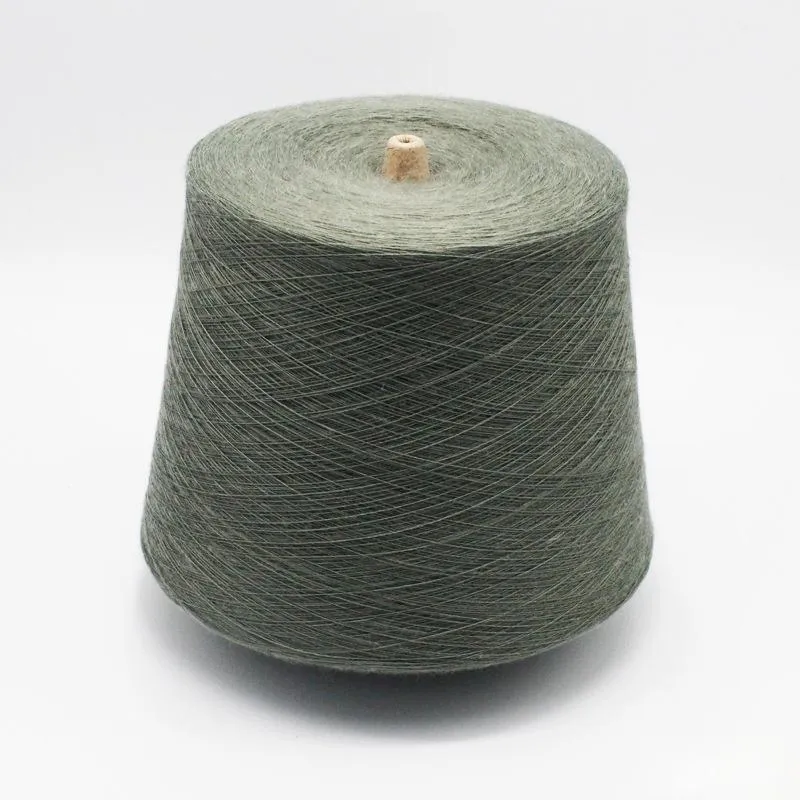
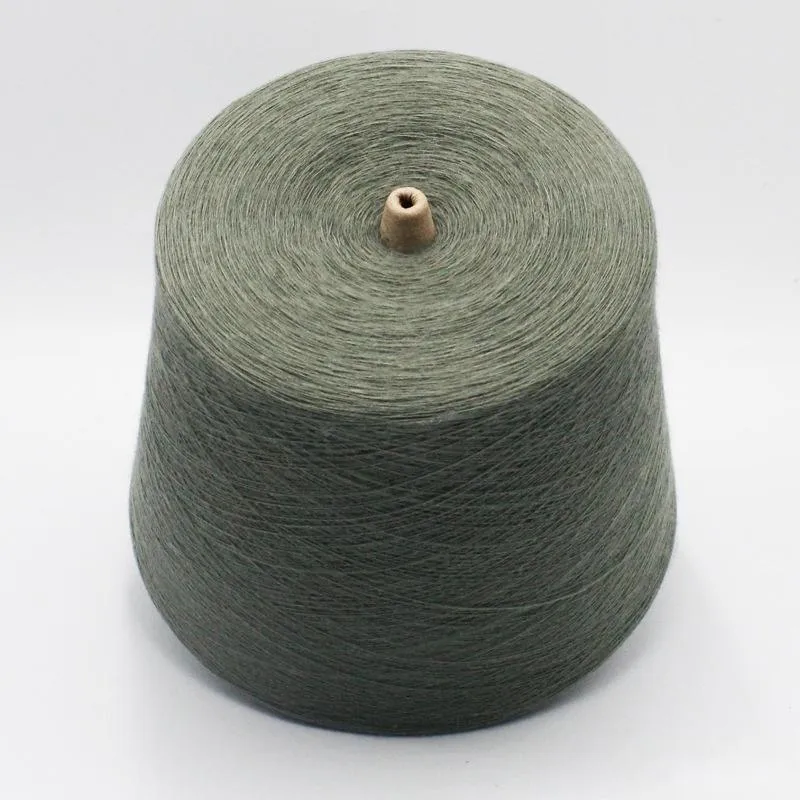
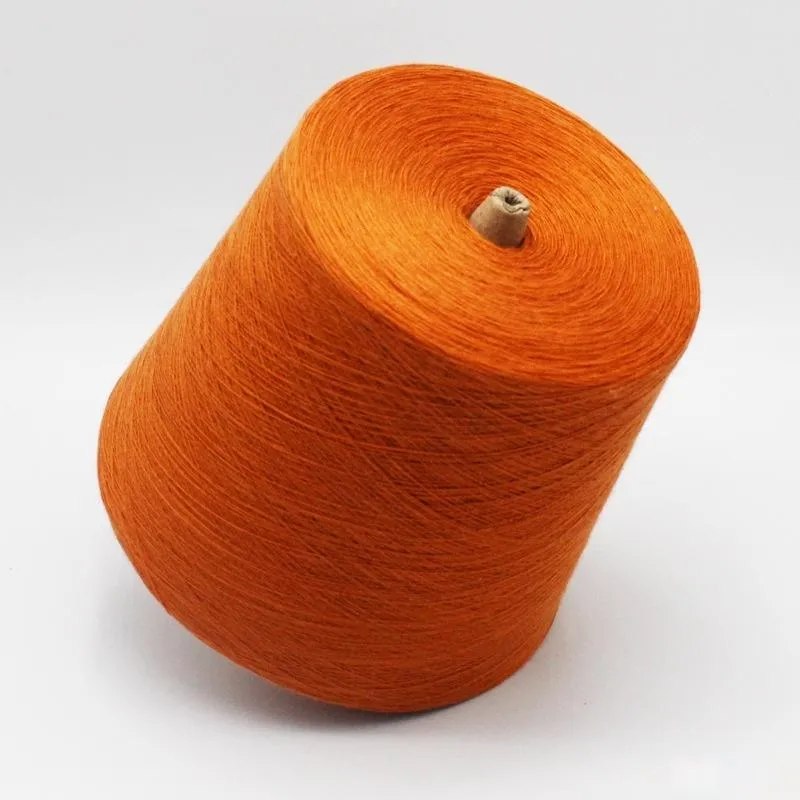
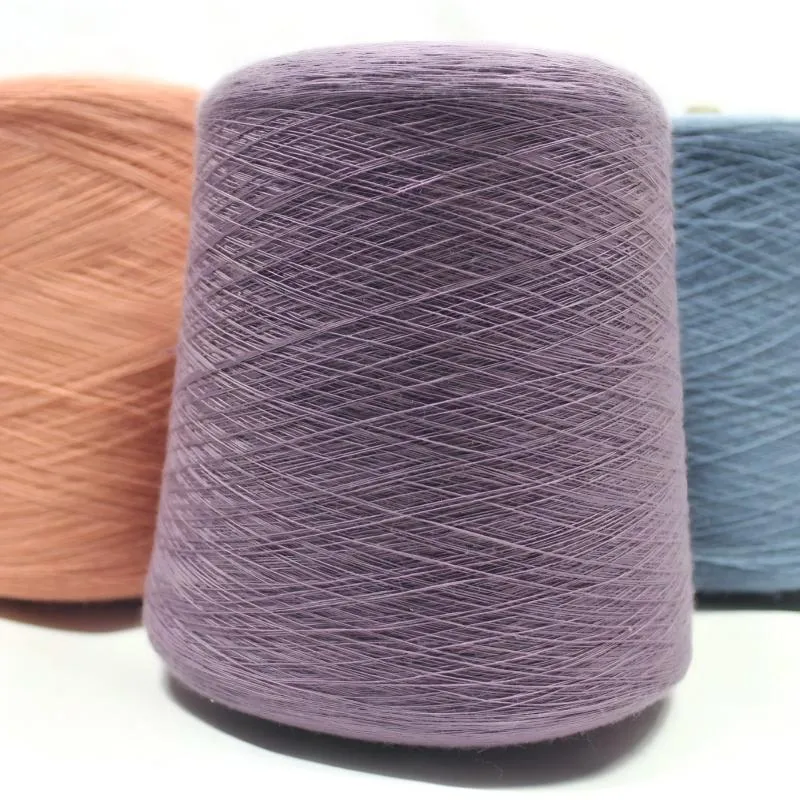
Thermal Wool Acrylic Blended Yarn 28S Single Ply for Winter Socks
Thermal wool acrylic blended yarn in 28S single ply (1/28Nm) is engineered for winter sock production that needs reliable warmth, smooth knitting, and controlled sourcing cost.
- Spinning Process: Compact Siro Spinning (Jinsai)
- Yarn Count: 28S single ply (1/28Nm, bulked thermal type)
- Fiber Composition: 10% Wool + 90% Acrylic (W10A90)
- Yarn Form: Single-ply cone yarn
- Minimum Order Quantity (MOQ): 1 kg per color for sampling; 5000 kg wholesale reference tier
- Packaging: Carton packing
Thermal wool acrylic blended yarn in 28S single ply (1/28Nm) is built for winter sock programs that need warmth, stable knitting, and controlled sourcing cost. Therefore, buyers can validate fast, then scale bulk orders with less production risk.
- Spinning Process: Compact Siro Spinning (Jinsai)
- Yarn Count: 28S single ply yarn (1/28Nm, bulked thermal type)
- Fiber Composition: 10% Wool + 90% Acrylic (W10A90)
- Yarn Form: Single-ply cone yarn
- Minimum Order Quantity (MOQ): Trial 1 kg/color; wholesale reference tier 5000 kg
- Packaging: Carton packing
Winter demand windows close quickly. Send your color list and target volume now to secure a technical quote and production planning support.
Technical Overview of Thermal Wool Acrylic Blended Yarn
For winter socks and knitwear, buyers usually fight four issues at once: weak warmth, unstable knitting, unclear lead time, and margin pressure.
This thermal wool acrylic blended yarn uses a 10% wool + 90% acrylic blend and a 1/28Nm bulked structure to balance thermal feel and cost efficiency.
As a result, sourcing teams can move from trial to bulk with clearer technical and commercial control.
1) Thermal Wool Acrylic Blended Yarn vs Standard Winter Blend Yarn
| Buying Factor | Common Market Situation | This Product | Business Impact |
|---|---|---|---|
| Warmth Performance | Blend ratio shown, but structure impact often unclear | 1/28Nm bulked structure + wool/acrylic blend | Improved warm-hand feel in winter applications |
| Cost-to-Warmth Balance | Higher wool content can raise cost quickly | 10/90 blend keeps cost predictable while maintaining warmth | Better margin stability for wholesale programs |
| Knitting Stability | Some lots cause feed fluctuation or machine stops | Compact Siro spinning + 28S single ply yarn | Smoother feeding and fewer interruptions |
| MOQ Flexibility | One rigid MOQ in many offers | Trial MOQ and bulk MOQ path | Lower qualification risk before scale-up |
| Lead-Time Clarity | Generic timelines | Stock 1–2 days; custom 3–15 days | Stronger planning for production and shipping |
2) Why Wholesale Buyers Choose This Thermal Wool Acrylic Blended Yarn
- Specification-first communication: count, blend, form, and process are clear before quote confirmation.
- Sample-to-bulk workflow: approve hand-feel and color first, then lock larger procurement.
- Batch risk control: buyers can request lot-based specification and test documents as needed.
- Commercial transparency: trial MOQ and wholesale reference tier are both visible.
- Faster purchasing decisions: technical and commercial information sits in one page, so teams can compare and act quickly.
3) Thermal Wool Acrylic Blended Yarn Specifications
| Parameter | Value |
|---|---|
| Spinning Process | Compact Siro Spinning (Jinsai) |
| Yarn Count | 28S single ply yarn |
| Yarn Form | Single-ply cone yarn |
| Fiber Composition | 10% Wool + 90% Acrylic (W10A90) |
| Linear Density | 11–20 tex |
| Twist | 450 |
| Reference Gauge | 18G |
| Color | Color-card based; custom shades available |
| Season | Autumn / Winter |
4) Wholesale Policy & Reference Price
| Commercial Item | Reference | Buyer Guidance |
|---|---|---|
| Trial MOQ | 1 kg per color | Use for color and hand-feel approval |
| Wholesale MOQ | 5000 kg reference tier | Use for seasonal production planning |
| Lead Time | Stock 1–2 days; custom 3–15 days | Lock schedule early for winter programs |
Therefore, you can validate with a small trial, confirm production parameters, and then move to bulk with fewer surprises in cost and delivery.
5) Packaging & Logistics
- Packaging: Standard carton packing.
- Before shipment: confirm color code, count, quantity, and lot records.
- Logistics planning: choose stock or custom route based on delivery urgency.
- Peak-season advice: confirm shades early for winter sock knitting yarn to avoid schedule compression.
- Send required count, color list, and target monthly volume.
- Confirm trial lot and technical parameters.
- Approve sample and lock bulk order schedule.
- Release shipment after packing list and lot details are confirmed.
6) Certifications, Test Evidence & Patent Status
| Item | Current Status | Procurement Action |
|---|---|---|
| Antibacterial Test Evidence | Test-report image shown in product materials | Request full report copy when required by your market |
| Compliance Certificates (e.g., OEKO-TEX / REACH) | Not explicitly listed on current page data | Share your compliance checklist before final quote |
| Patent Information | No patent number shown in current page data | Use spec validation and sample approval as decision basis |
7) Expert FAQ for Thermal Wool Acrylic Blended Yarn
Q1: Why can this thermal wool acrylic blended yarn still feel warm with only 10% wool?
A1: Warmth depends on both fiber and structure. The wool contributes natural thermal behavior, while the bulked 1/28Nm structure traps more still air. Together they improve insulation feel while controlling material cost.
Q2: Is this 28S single ply yarn suitable for winter sock knitting yarn production?
A2: Yes. It is designed for autumn/winter use and supports stable knitting flow. Still, run a machine trial first to confirm gauge, stitch density, and finishing behavior on your specific line.
Q3: What is the technical value of a 1/28Nm wool acrylic blend yarn structure?
A3: The 1/28Nm bulked structure improves loft and hand feel. As a result, fabrics can feel fuller and warmer versus less-bulked structures in similar count ranges.
Q4: How should I manage color consistency in repeat bulk orders?
A4: Use a fixed color-card standard, approve trial shade first, and lock lot-based production for each reorder. This process reduces visible shade deviation in large programs.
Q5: Why are both 1 kg/color MOQ and 5000 kg MOQ shown?
A5: They serve different buying stages. 1 kg/color supports qualification and color approval, while 5000 kg is the wholesale reference tier for scaled production planning.
Q6: How do I evaluate landed cost before placing a large order?
A6: Start with reference yarn price, then add color complexity, packaging, transport mode, import charges, and urgency cost. This method gives a realistic landed-cost range.
Q7: What documents should professional buyers request before PO release?
A7: Request technical spec sheet, blend confirmation, required test files, and lot-level packing details. These documents reduce quality disputes and receiving delays.
Q8: What is the best timing strategy for winter programs?
A8: Confirm colors and trial orders early, then lock bulk windows before seasonal demand peaks. Early locking protects both delivery time and production continuity.
Related products
-

SOFTWARM Thermal Polyester Fancy Yarn (100% Polyester, Compact-Spun)
-

BREATH WARM – Premium Thermal Acrylic-Wool Blend Yarn for Socks
-

Wool Acrylic Blend Sock Yarn (1/52) for Warm, Skin-Friendly Winter Socks
-

Thermal Sock Yarn 28S | Breath Warm Acrylic-Wool Dyed Blend
-

WARMPLUS-A Heat-Generating Thermal Yarn (Moisture-Absorbing Blend)
-

Thermal Sock Yarn for Winter Socks – 28S Single Ply Wool Acrylic Blend
-

WARMPLUS-R Moisture-Absorbing Heat-Generating Yarn (60% Viscose / 40% Acrylic)
-

FINETAM Thermal Warm Yarn – 50/50 Nylon & Polyester Blend