WhatsApp : (+86) 19058080181 Email : info@vi-tex.com


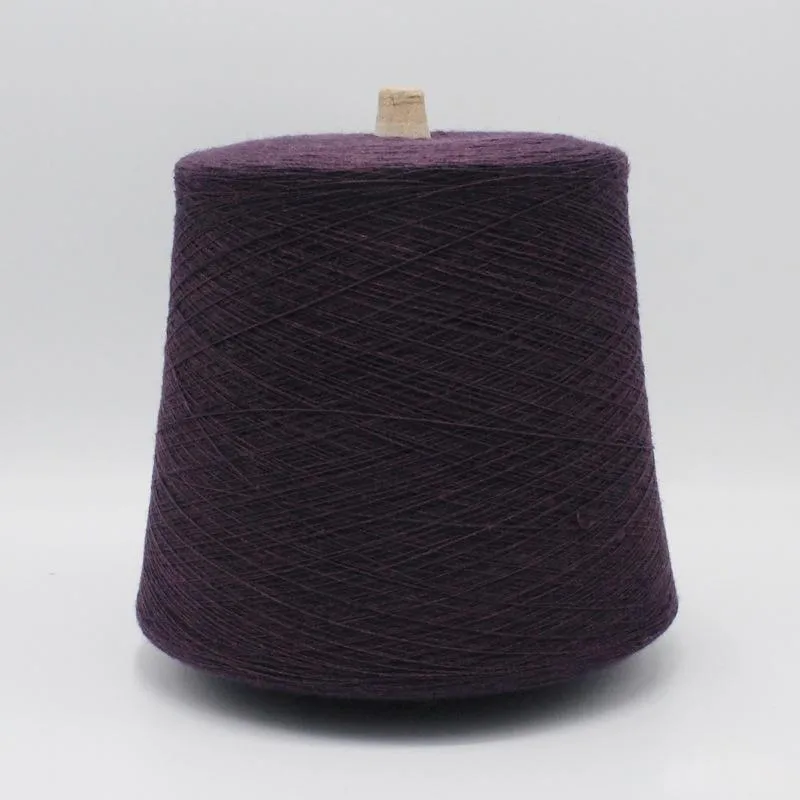
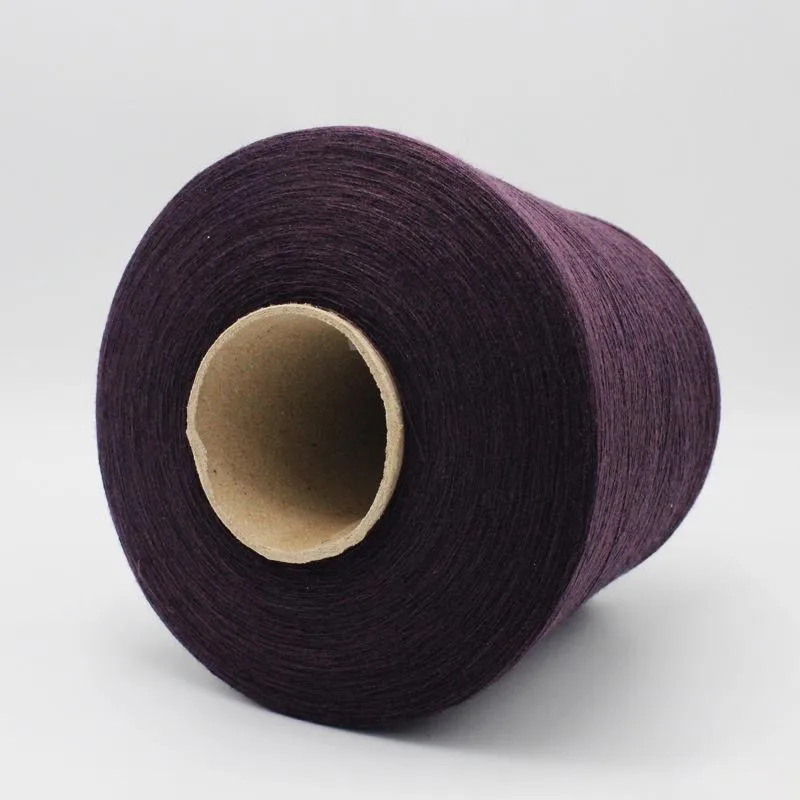
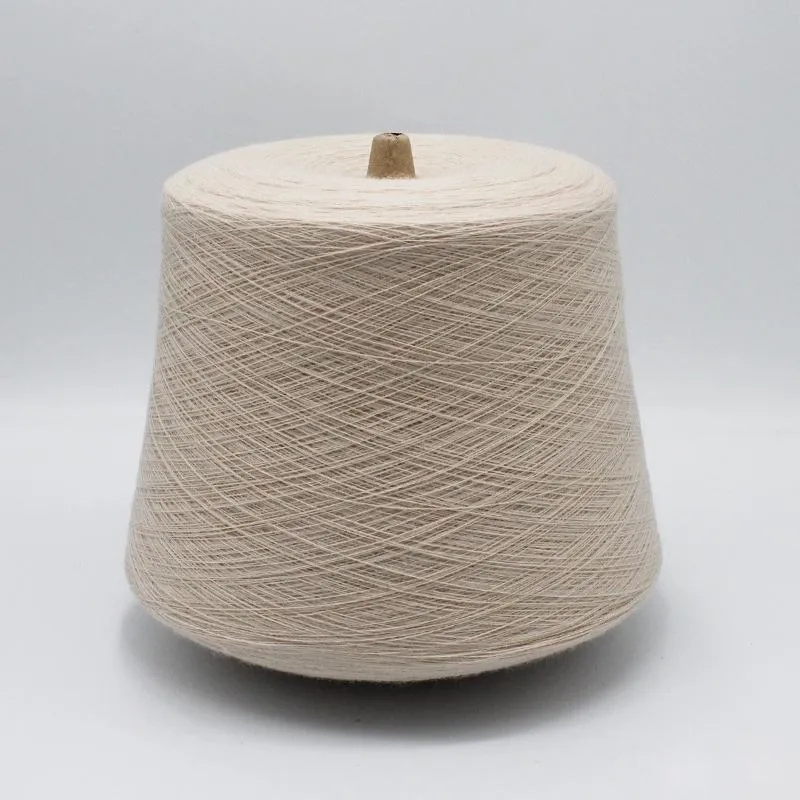
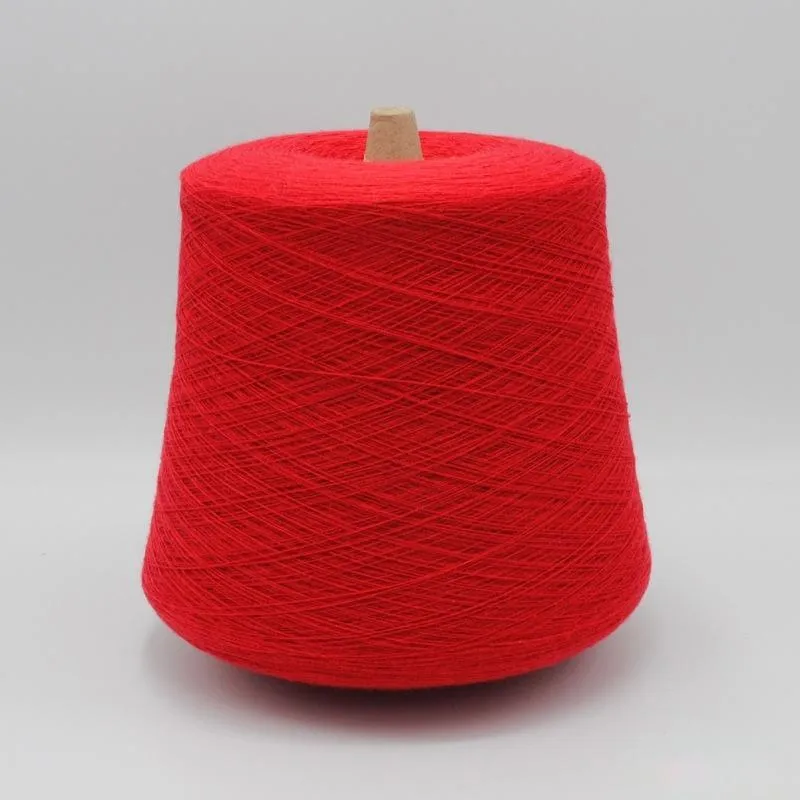
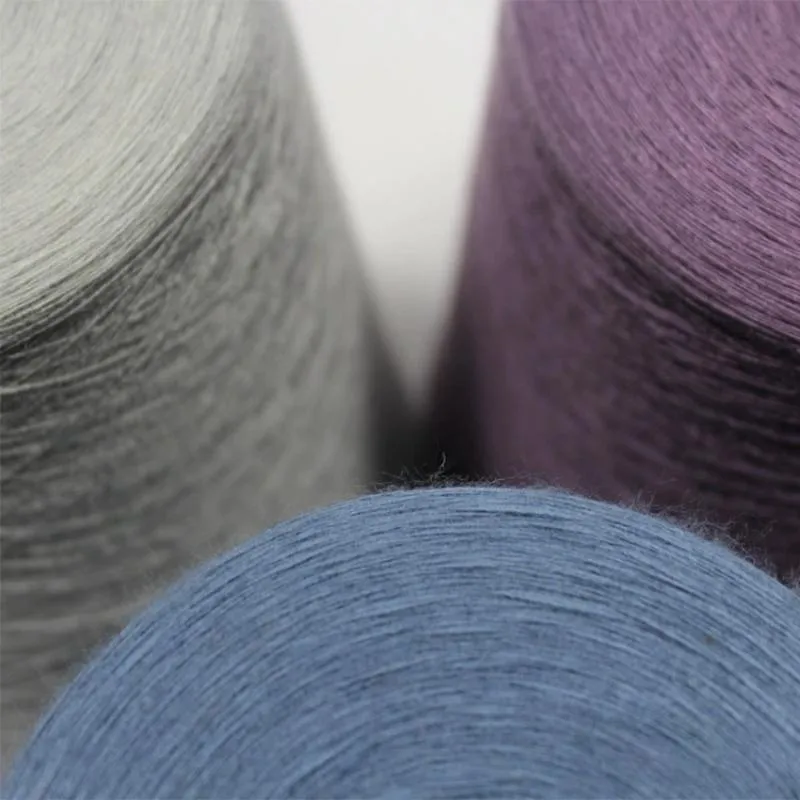
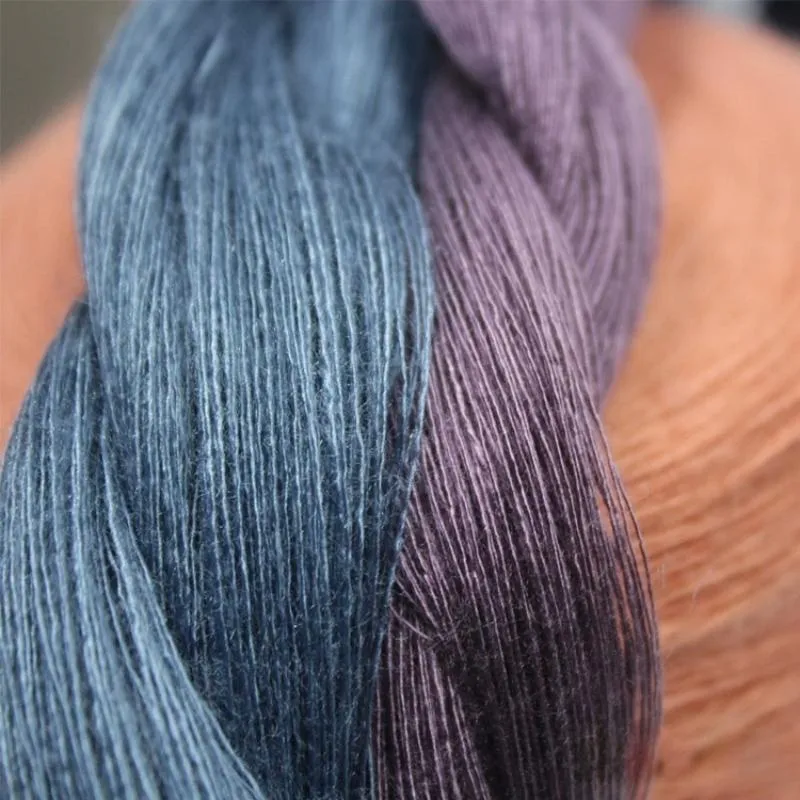
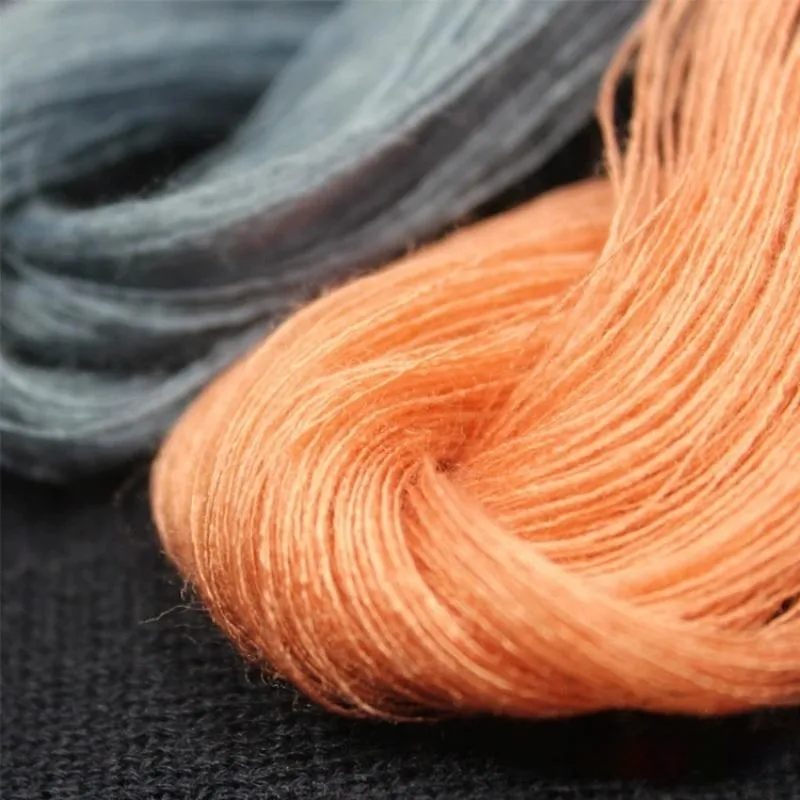
Wool Acrylic Blended Yarn – Dry Spun Warm Fluffy Yarn for Winter Socks
Wool acrylic blended yarn (10% wool / 90% acrylic) helps winter sock programs deliver better warmth, softer touch, and more stable bulk production. Our dry spun wool acrylic yarn builds thermal loft, improves handfeel consistency, and supports repeat color lots. Therefore, buyers reduce rework risk and launch winter orders with more confidence.
- Spinning Process: Dry spinning
- Yarn Count: 1/52 (single ply), 11–20 tex
- Fiber Composition: 10% wool / 90% acrylic
- Yarn Form: Dyed blended cone yarn (custom colors)
- Minimum Order Quantity (MOQ): 5000 kg
- Packaging: Carton packing
Winter buyers often face the same three issues: unstable warmth performance, inconsistent color lots, and delayed wholesale decisions. This wool acrylic blended yarn is engineered to solve those risks. In addition, its dry-spun structure creates a fluffy bulk effect that improves thermal feel without making socks overly heavy.
Wool Acrylic Blended Yarn vs Similar Market Options
| Product Type | Key Advantages | Common Limitations | Best Fit |
|---|---|---|---|
| Dry spun wool acrylic blended yarn (10/90) | Balanced warmth, soft touch, stable color lots, scalable B2B supply | Lower wool ratio than high-wool premium blends | Winter socks and cost-controlled thermal knitwear |
| 100% acrylic yarn | Cost-friendly and easy to source | Lower natural warmth character and premium feel | Entry-level thermal products |
| High-wool blend yarn | Strong natural warmth perception | Higher cost fluctuation and stricter process control | Premium winter product lines |
| Low-spec mixed yarn | Short-term price advantage | Higher batch variation and claim risk | Non-critical short-cycle orders |
Why Choose Our Wool Acrylic Blended Yarn Supply Program
- Technical-first quoting: We align blend, count, and end-use before sampling, so buyers avoid costly trial loops.
- Lot-based control: We manage lot and color-batch records to support repeat-order consistency.
- QC checkpoints: We verify yarn count, blend ratio, and visual evenness at key stages.
- Color execution for wholesale: We support custom shades with approval flow and production follow-up.
- B2B response speed: We focus on clear documents, quick technical replies, and execution reliability.
- Lower procurement risk: We build long-term, repeatable supply plans instead of one-off transactions.
Product Specifications of Wool Acrylic Blended Yarn
| Parameter | Specification |
|---|---|
| Product Type | Wool acrylic blended yarn |
| Spinning Process | Dry spinning |
| Yarn Count | 1/52 (single ply) |
| Linear Density | 11–20 tex |
| Twist | 500 |
| Fiber Composition | 10% wool / 90% acrylic |
| Yarn Form | Dyed blended cone yarn |
| Recommended Gauge | 18G |
| Color | Custom color matching |
| MOQ | 5000 kg |
| Packaging | Carton packing |
Wholesale Policy & Price Framework for Wool Acrylic Blended Yarn
| Order Stage | Execution Policy | Price Basis | Buyer Benefit |
|---|---|---|---|
| Sample / Lab Stage | Confirm count, color, and end-use requirements first | Based on sample scope and shade complexity | Prevents bulk mismatch risk |
| Pilot Bulk | Run controlled pilot with defined checkpoints | Based on process setup and specification stability | Validates production feasibility |
| Mass Wholesale | Schedule output by approved specs and lot plan | Based on volume, color count, and delivery window | Supports stable replenishment |
| Repeat Orders | Lock key specs and continue lot-level tracking | Improves with forecast visibility and continuity | Reduces long-term total procurement risk |
Packaging & Logistics
| Item | Standard | Operational Value |
|---|---|---|
| Primary Packing | Carton packing | Protects cone shape and winding quality |
| Shipment Planning | Dispatch follows confirmed PO schedule | Helps mills plan machine capacity |
| Labeling | Batch and spec labeling | Improves warehouse traceability |
| Bulk Delivery Model | Supports recurring wholesale programs | Reduces supply interruption pressure |
Certification & Patent Support
| Support Item | What We Provide | Buyer Value |
|---|---|---|
| Fiber Composition Documentation | Order-linked technical composition files | Supports compliance and sourcing approval |
| Performance Test Alignment | Test-item alignment to buyer-required methods (on request) | Reduces destination-market claim risk |
| Yarn Technical Data | Count / tex / process records by order | Improves repeat-order reproducibility |
| Patent / IP Collaboration | IP-sensitive development under NDA and documented process boundaries | Improves confidence for private-label programs |
Technical FAQ on Wool Acrylic Blended Yarn
Q1: Why is this wool acrylic blended yarn warmer than standard acrylic yarn?
The dry-spun structure creates higher loft and traps still air more effectively. As a result, socks feel warmer while staying wearable for daily winter use.
Q2: Is 10% wool enough for thermal sock programs?
For many commercial winter sock lines, yes. The 10% wool adds natural warmth character, while 90% acrylic improves process stability and color consistency.
Q3: How does this dry spun wool acrylic yarn help reduce pilling risk?
Pilling control depends on yarn structure, knitting density, and finishing. We align these factors early, so buyers can reduce pilling-related complaints in bulk runs.
Q4: Can this 10% wool 90% acrylic yarn run on standard sock knitting setups?
Yes, it is designed for mainstream sock workflows. We recommend a pilot run first to confirm machine settings, handfeel, and final fabric performance.
Q5: How do you control custom color consistency between lots?
We use lot-based management and color approval steps before bulk release. Therefore, repeat shipments keep closer shade continuity.
Q6: What test items can be aligned before mass production?
Typical checks include composition verification, appearance consistency, and buyer-required performance items. We align the test scope with your market requirements.
Q7: What is the best onboarding path for new wholesale buyers?
Start with spec confirmation, then sample/pilot validation, and finally scheduled bulk supply. This sequence lowers risk and speeds up production decisions.
Q8: Why should buyers send RFQ early for winter programs?
Winter development windows move fast. Early RFQ secures faster sampling, clearer planning, and better execution continuity for peak-season orders.
Related products
-

100% Polyester Brushed Yarn – SOFTWARM for Warm Sock and Textile Production
-

AISHIN Thermal Sock Yarn (50% Cotton / 50% Polyester)
-

SOFTWARM Thermal Polyester Fancy Yarn (100% Polyester, Compact-Spun)
-

Thermal Wool Acrylic Blended Yarn 28S Single Ply for Winter Socks
-

Thermal Sock Yarn 28S | Breath Warm Acrylic-Wool Dyed Blend
-

HEATSOFT Far-Infrared Thermal Yarn (5% Wool / 15% Nylon / 80% Acrylic)
-

Wool Acrylic Blend Sock Yarn (1/52) for Warm, Skin-Friendly Winter Socks
-

FINETAM Thermal Warm Yarn – 50/50 Nylon & Polyester Blend