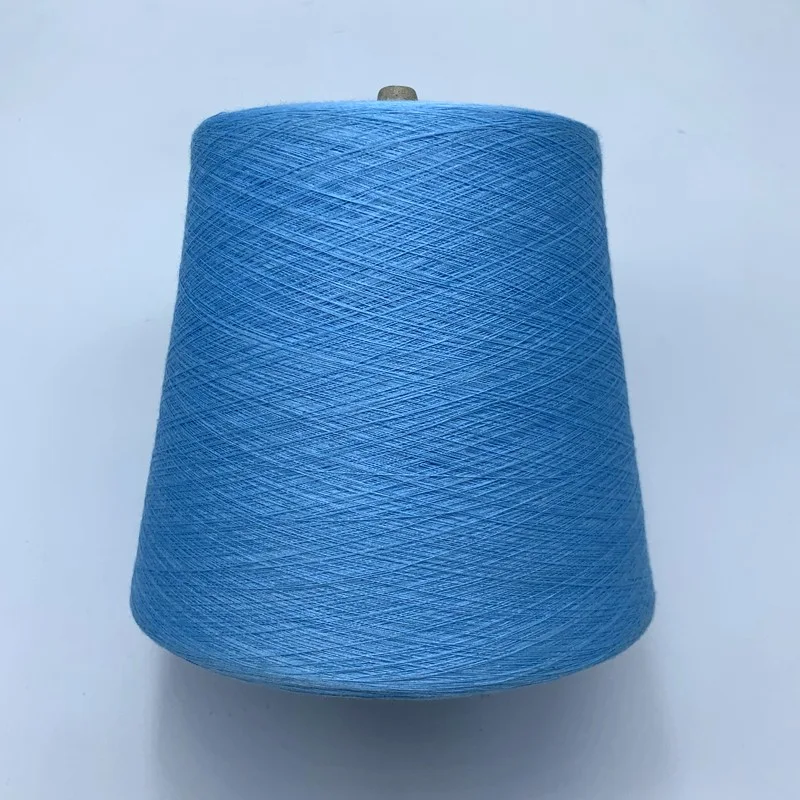
97.6F Temperature-Regulating Yarn 32/1 for Socks & Sweaters
97.6F temperature-regulating yarn is designed for knit programs that face a common pain point: wearers feel uncomfortable when they move between air-conditioned indoor spaces and hot outdoor environments (or the reverse). Therefore, many buyers want a thermo-comfort yarn that supports a steadier wearing experience while keeping sourcing risk low.
Competitor Comparison: Pros & Cons vs Similar Yarns
Differentiation for socks and sweaters; comfort-focused positioning; flexible color planning; compact-spun appearance.
Additionally, low MOQ supports faster sampling decisions.
The comfort outcome depends on knit structure, finishing, and real wear conditions. As a result, you should validate on final fabric before bulk.
MOQ 1 kg/color
Stock 1–2 days / Custom 3–15 days
Standard viscose/cotton yarn
(non-functional)
Simple sourcing and broad availability.
Harder to build a clear “temperature-regulating” story; lower differentiation in competitive markets.
Varies by supplier
Cooling-only performance yarns
Strong summer narrative and clear positioning for hot conditions.
May not address daily indoor/outdoor transitions across seasons.
Often higher MOQ for specialty programs
Warmth-only thermal yarns
Clear winter warmth story.
Less aligned with “temperature swing” use cases (AC ↔ outdoors).
Varies by supplier
Why Choose Us: Reduce Wholesale Trust Risk
Wholesale buyers usually worry about spec drift, color consistency, and slow response. We run a sourcing process that stays predictable. As a result, you can sample faster and reorder with fewer surprises.
Spec-first confirmation: we confirm blend, count, color standard, packing, MOQ, and lead time before production.
Low-risk sampling: MOQ from 1 kg per color helps you test shade and knitting behavior before scaling.
Repeat-order support: labeling / lot identification available on request to improve traceability for OEM programs.
Clear lead-time logic: we separate stock vs custom timelines so you can plan launches and replenishment.
Comfort-oriented viscose cotton blended yarn for knitwear
Count
32/1 (customizable)
Choose count by gauge, target weight, and durability needs
Process
Compact spun
Supports a cleaner look for many knit structures
Colors
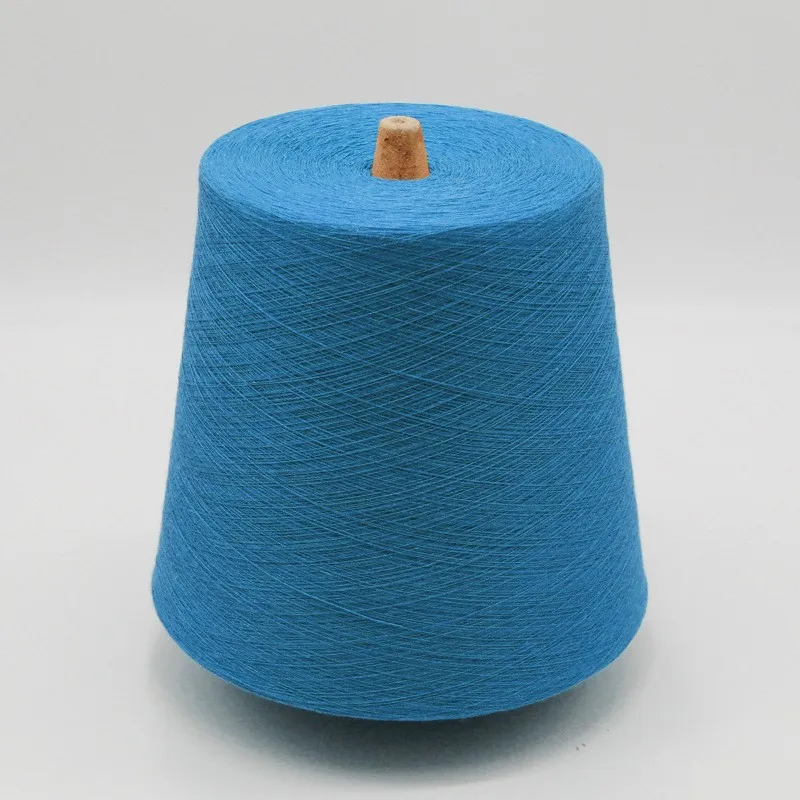
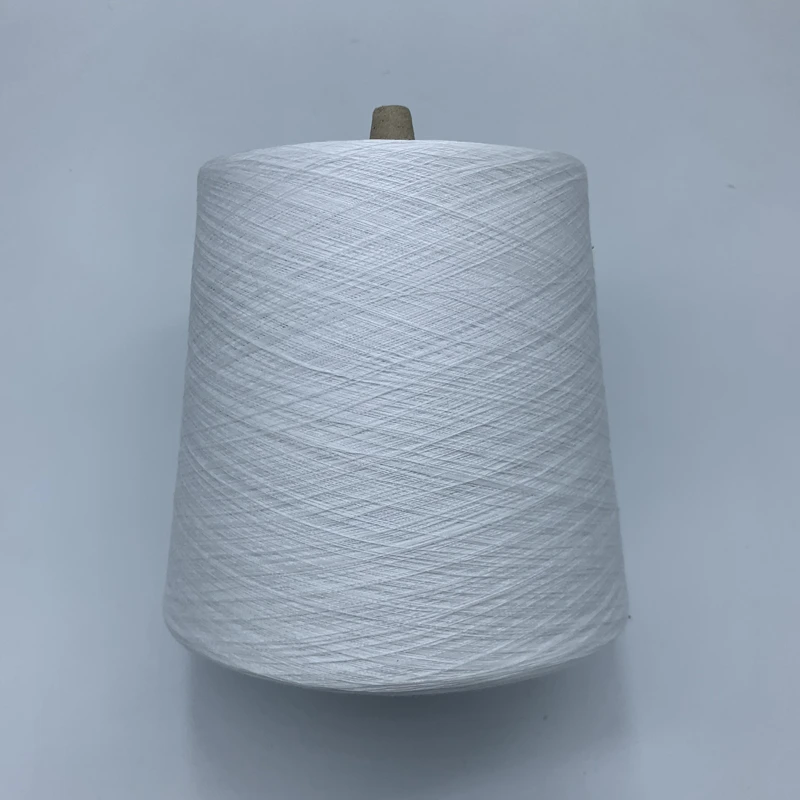
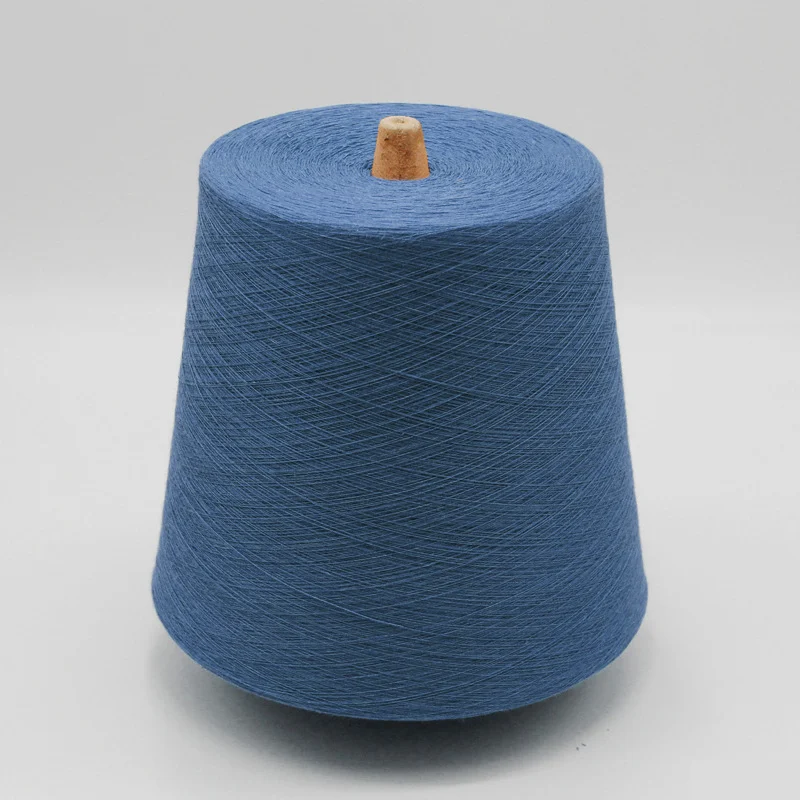
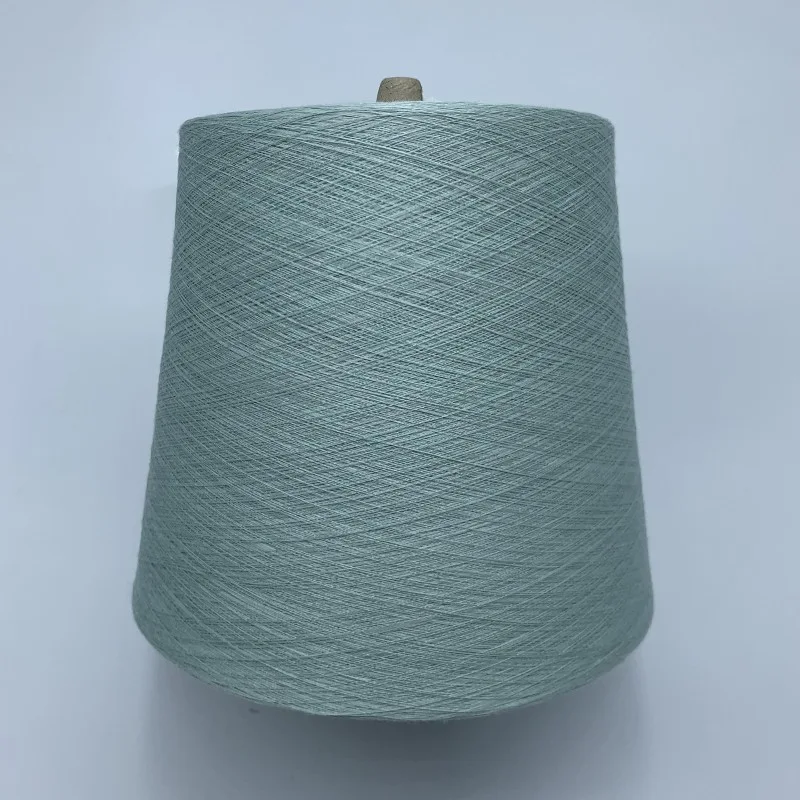
Color card standard; custom colors available
Share your color standard for matching
Applications
Socks, sweaters, knitted apparel
Designed for thermo-comfort positioning
MOQ
1 kg per color
Ideal for sampling and shade approval
Lead time
Stock: 1–2 days; Custom: 3–15 days after confirmation
Depends on color plan and production schedule
Wholesale Policy & Price
We quote based on the variables that actually change your landed cost. Therefore, you get a quote that supports purchasing decisions.
Order stage
MOQ
Lead time
Price approach
Best for
Sampling / shade approval
1 kg per color
Stock 1–2 days; custom 3–15 days
Quote-based
Confirm shade and knitting behavior quickly
Pilot wholesale
Quote-based
Confirmed by color plan
Quote-based
Small batches across multiple SKUs
Repeat OEM / bulk
Quote-based
Confirmed by schedule
Quote-based
Stable supply and cost optimization
For a fast quote, send: target count (or fabric target + gauge), color standard, quantity per color, destination and incoterms, and end-use (socks/sweaters).
Packaging & Logistics
Standard packing: 25 kg per carton or plastic bag
Shipping planning: we confirm stock vs custom lead time at order stage
Traceability option: labeling / lot identification available on request
Delivery terms: quoted based on destination and requested incoterms
FAQ: Technical Questions for 97.6F Temperature-Regulating Yarn
Q1: What does “temperature-regulating yarn” mean for real socks and sweaters?
97.6F temperature-regulating yarn targets thermo-comfort by helping buffer perceived temperature swings during wear. However, comfort is system-based. Therefore, always validate on your final fabric, finishing, and real use conditions.
Q2: How should we evaluate thermo-comfort performance during sampling?
Use an A/B test: knit the same structure with 97.6F and a control yarn. Then compare comfort during indoor/outdoor transitions. Additionally, include your required wash cycles to confirm durability and hand feel after finishing.
Q3: Which knit structures typically show clearer comfort differences?
Stable density and consistent skin contact often help. For example, controlled jersey and rib structures can work well. Because gauge and stitch density change thermal perception, share your machine gauge and target weight for a practical setup recommendation.
Q4: Can finishing change the comfort effect?
Yes. Finishing can change surface feel and fabric bulk. As a result, lock your intended finishing recipe early and test that exact recipe during sampling to reduce sample-to-bulk gaps.
Q5: Why is 32/1 a standard count, and when should we customize it?
32/1 fits many knit applications, but the best count depends on your target fabric weight, softness, durability, and gauge. Therefore, tell us your product target and machine setup, and we will suggest a workable count plan.
Q6: What are MOQ and lead time for wholesale orders?
MOQ starts at 1 kg per color. Lead time is typically 1–2 days for stock and 3–15 days for custom production after confirmation.
Q7: How do you support repeat orders and consistency?
We confirm key specs before production and can support labeling / lot identification on request. Therefore, your OEM program can track lots more easily across repeats.
Q8: What information do you need for an accurate quote and recommendation?
Please send: target count or fabric target + gauge, color standard, quantity per color, end-use, destination and incoterms, plus any wash or durability requirements.