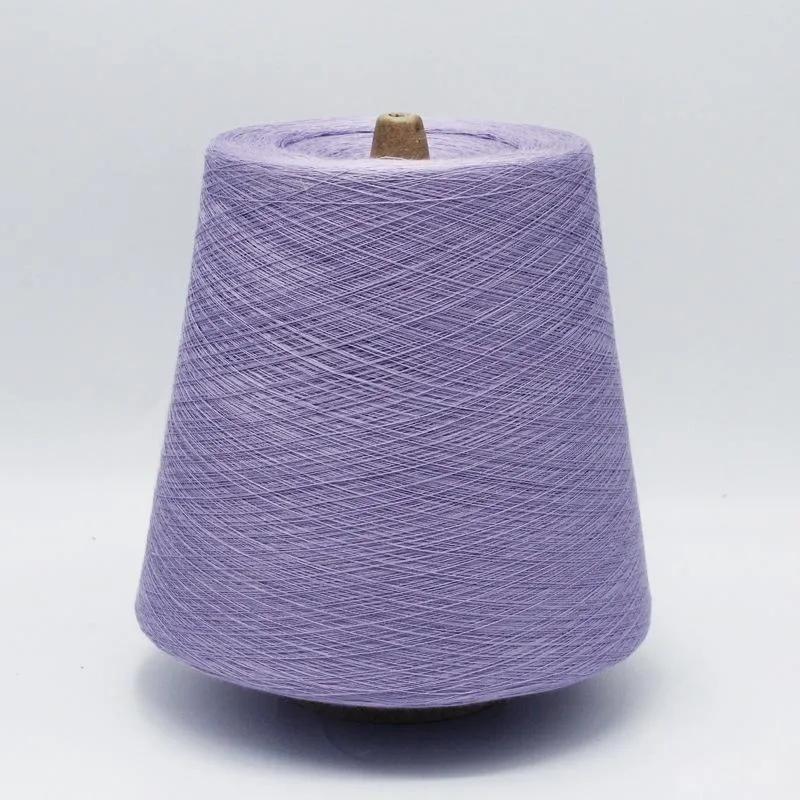
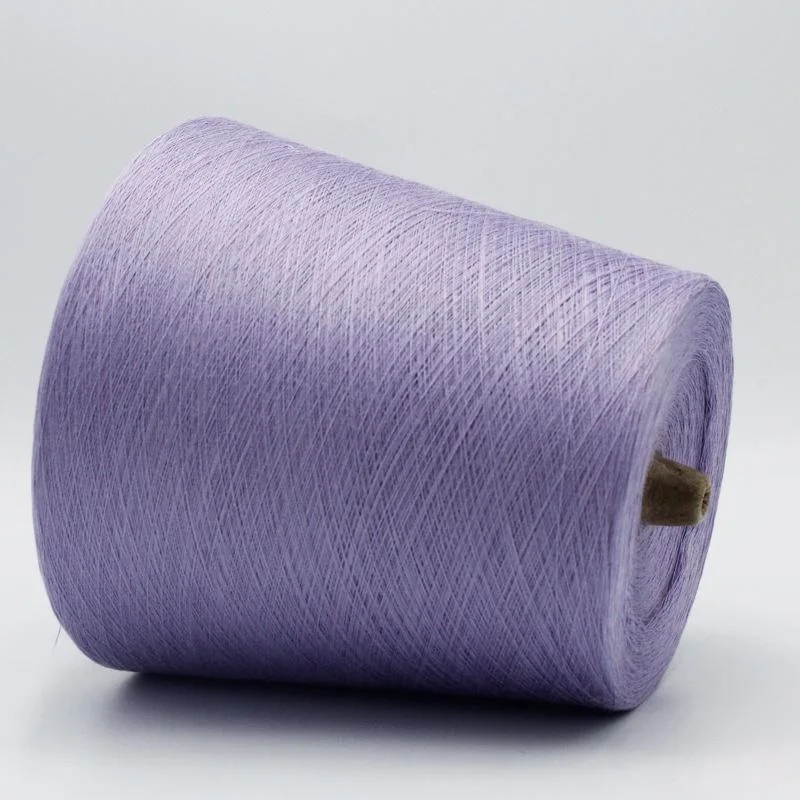
For warm-weather sock programs, this 30S cooling sock yarn combines 92% lyocell with 8% mulberry silk. It comes as a 1-ply dyed cone for sock knitting, with 18G as a reference gauge.
For warm-weather sock programs, this 30S cooling sock yarn combines 92% lyocell with 8% mulberry silk. It comes as a 1-ply dyed cone for sock knitting, with 18G as a reference gauge.
The blend is chosen for a smooth hand and a cool-touch direction. However, the finished sock can feel different after knitting, finishing, and washing. Therefore, test the fabric before making performance claims.
If your program needs anti-pilling performance, use the agreed test method and pass level before production.
Designed for premium sock programs
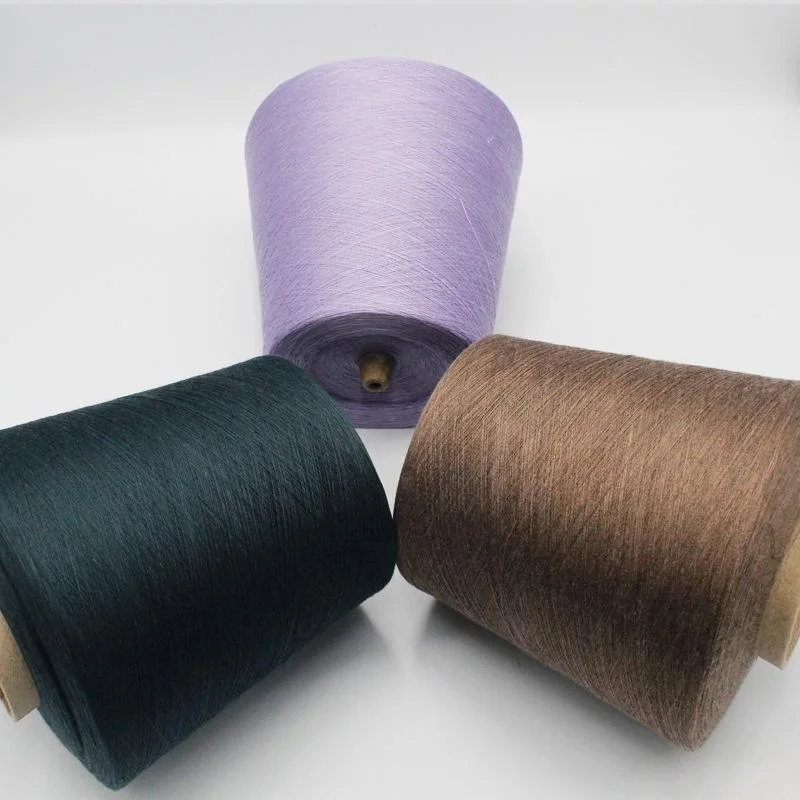
The dyed cone lets a mill check shade and fabric appearance before bulk knitting. Custom shades can follow a brand color card, while the 18G reference gives the development team a starting point for machine trials.
Technical Specifications
30S Cooling Sock Yarn — Technical Specifications
Specification
Details
Product type
Cooling sock yarn for dyed cone knitting
Fiber composition
92% lyocell / 8% mulberry silk
Spinning process
Compact ring spinning
Yarn count
30S
Linear density
11–20 tex range
Yarn form
1-ply dyed cone yarn
Twist
760
Knitting reference
18G
Color
Requested shades; shade approval follows the agreed color card or sample
Minimum order quantity (MOQ)
5,000 kg
Available capacity
Up to 10,000 kg, subject to order availability
Cone weight
Approximately 1,200 g per cone; outer packing detail appears in the quotation
Target lead time
30-day target; the quotation gives the final start point and delivery date
Count and twist figures need a complete specification. Before bulk knitting, the lot sheet should show the count system, nominal tex, twist unit, direction, tolerance, and test conditions. In addition, compare the approved sample with the production lot.
How the blend behaves in a finished sock
Lyocell forms the main cellulose base, while mulberry silk can add softness and a subtle sheen. Together, these fibers can suit premium summer socks that need a refined hand without a heavy yarn appearance.
However, stitch density, yarn tension, finishing, washing, and the wearer’s environment also affect the result. For that reason, measure cool-touch performance on the finished sock instead of inferring it from the fiber names. Likewise, use an anti-pilling claim only after the buyer and laboratory agree on the method and pass level.
Before bulk knitting
Before a bulk order, keep the lot data, shade approval, and finished-sock test method in the same order file.
Check the yarn data. Record the 92/8 blend, count system, nominal tex, twist unit and direction, cone weight, and tolerance.
Run a representative knit. Use the intended 18G machine settings, record yarn tension and stitch length, and keep the lot number with the swatch.
Test the finished sock. Use the agreed Q-max or other cool-touch method. Then choose a suitable pilling method, such as ISO 12945 or ASTM D3512, together with the color-fastness method, wash protocol, and acceptance level.
Write the approval terms into the order. Include the approved shade sample, quantity split, inspection points, packing, and delivery date.
If you need background on Q-max and cool-touch measurement, read our cool-touch testing overview. Then use the same method on the finished sock under the conditions required by your market or laboratory.
Color, packaging and commercial terms
Custom dyeing is available for requested shades. Include the color card, quantity split, target gauge, and delivery window in the request for quotation (RFQ).
Commercial Terms
Quote basis
Color, quantity split, and order timing
Price
RFQ only; no public unit price is shown
Packing
Carton or other agreed outer packing; approximately 1,200 g per cone
Lead-time planning
30-day target; the order record includes the start point, delivery date, and delay terms
This yarn is quoted by RFQ. Price, available capacity, outer packing, and delivery date are set for each order.
Frequently asked questions
What is the fiber composition?
The blend is 92% lyocell and 8% mulberry silk. Silk may add softness and sheen, but the finished hand and cooling result still depend on construction, finishing, and testing.
Who supplies 30S lyocell-silk cooling yarn for socks?
VI-TEX offers this yarn for premium sock knitting. Include the target gauge, shade, quantity, and delivery window when sending an RFQ.
Is the yarn suitable for 18G sock knitting?
18G is a reference gauge for development. However, machine type, stitch length, yarn tension, and finishing can change the result, so run a sample on your own production line.
Can custom colors be produced?
Yes. Send an approved color card or shade sample with the RFQ, and record the final shade, quantity split, and repeat-order tolerance before dyeing.
What is the MOQ and available quantity?
The MOQ is 5,000 kg. Up to 10,000 kg can be discussed subject to current capacity, so include the required volume in the quotation.
Which supplier documents and tests should I request?
The technical data sheet should cover blend, count, tex, twist, shade, cone weight, and packing. If the program needs cooling or anti-pilling claims, set the test methods, wash conditions, and pass levels before production.
How should I plan lead time for a seasonal order?
First approve the yarn data and shade. Next settle the quantity, payment milestone, packing, and inspection plan. Finally, put the delivery date and any delay terms into the order record.