WhatsApp : (+86) 19058080181 Email : info@vi-tex.com

Combed Yarn: What It Does for Knitted Fabric Quality
Combed yarn may look like a small detail on a yarn specification sheet. On the knitting floor, it can make a clear difference. Less fly near the feeders, cleaner loop formation, fewer visible surface defects after dyeing, and a smoother hand feel often start from the yarn structure.
At Vi-Tex, we do not treat combed yarn as a simple “premium” label. We look at it as a more controlled yarn route. When a knitted fabric needs better surface quality, lower hairiness, stable strength, or repeatable performance from sampling to bulk production, combed yarn is often worth checking.
The reason is not complicated. Carded sliver may still contain short fibers, neps, and small impurities. The fibers are also not always straight or parallel enough for higher-quality knitted fabrics. The combing process removes part of these weaker elements before the yarn continues into the next spinning process.
That does not mean every fabric needs combed yarn. A thick brushed fabric, a strongly textured structure, or a very price-sensitive program may work well with a good carded yarn. But for fine-gauge knitting, skin-contact fabrics, light colors, and functional knitted yarns, combed yarn can give the fabric a cleaner and more stable starting point.
What Is Combed Yarn?
Combed yarn is yarn made from fibers that pass through an extra combing process after carding. Carding opens and organizes the fiber web. Combing goes further. It removes part of the short fibers, reduces neps and impurities, and helps the remaining fibers become straighter and more parallel.
In finished yarn, this usually means:
- Better yarn evenness
- Lower hairiness
- Cleaner surface appearance
- Better strength potential
- Smoother touch in many knitted fabrics
In common spinning practice, the combing process can remove a large share of short fibers and impurities. Some production references show short fiber removal around 42%–50%, impurity reduction around 50%–60%, and nep reduction around 10%–20%. Fiber straightness can also improve significantly, depending on cotton quality, noil setting, machine condition, humidity, drafting, twist, and winding control.
These numbers should not be read as fixed promises. They are useful production references, not universal guarantees. In real yarn development, we still need to check the raw material, spinning route, yarn count, fabric structure, and final fabric target.
The Main Purpose of the Combing Process
The combing process is mainly used to prepare a cleaner and more uniform fiber stream for spinning. In knitted fabric development, four points matter most.
1. Removing Short Fibers
Short fibers do not hold as firmly inside the yarn body. When there are too many of them, yarn strength becomes less stable and hairiness increases. In knitting, this may show as more fly, more broken ends, a rougher surface, or higher pilling risk after use.
By removing part of the short fibers, combed yarn gives the remaining fiber bundle a more consistent length distribution. This helps the yarn structure become stronger and cleaner.
2. Reducing Neps and Impurities
Neps and impurities are small, but they can cause visible problems. On fabric, they may appear as tiny spots, rough points, dyeing irregularities, or surface defects. On light colors, these problems are easier to see.
This is one reason combed cotton yarn is often used for fabrics that need a clean and smooth surface. A cleaner yarn can reduce inspection pressure later, especially when the buyer is strict about fabric appearance.
3. Improving Fiber Straightness and Parallelism
When fibers are straighter and more parallel, the yarn body becomes more even. The yarn also forms loops more consistently during knitting.
This matters for jersey, rib, fine-gauge structures, underwear fabrics, T-shirts, sportswear, baby textiles, and other skin-contact products. Sometimes a fabric problem looks like a dyeing issue or a knitting issue, but the root cause is actually unstable fiber arrangement in the yarn.
4. Preparing a More Uniform Combed Sliver
Combing does not produce the final yarn directly. It prepares a better sliver for the next process. A more uniform combed sliver makes drawing and spinning easier to control.
From our workshop experience, good preparation saves trouble later. If the fiber stream is already unstable at the sliver stage, it is difficult to correct everything during winding or fabric finishing.
How Combed Yarn Affects Knitted Fabric Quality
The value of combed yarn is not only inside the yarn. It shows up in the fabric.
Knitted fabric is made by bending yarn into continuous loops. If the yarn has too many short fibers, too much hairiness, or poor evenness, the fabric surface can become fuzzy, cloudy, or uneven. Some defects look minor on the machine. After relaxation, dyeing, finishing, and inspection under standard light, they become easier to notice.
We see this often in sampling. A trial roll may look acceptable at first, but after fabric relaxation, the surface starts to tell the real story. Extra hairiness can make pale grey, beige, or light blue fabric look dusty. Uneven yarn can create shadow marks or an unstable texture.
In one recent sampling discussion, our team checked a cotton-rich trial on a 28G circular knitting machine. The yarn count was correct and the basic lab result was acceptable. However, the operator recorded several minor stop marks in the first trial roll and noted more fly near the feeder. After the cotton side was changed to a combed yarn base and winding tension was reviewed, the next trial ran cleaner.
This is why we look carefully at combed yarn during development. The value is not in the word itself. The value is in how the yarn behaves on the machine and how the fabric looks after finishing.
Where Combed Yarn Brings Real Business Value
For a buyer or product developer, “better yarn” is too general. The useful question is: what problem does combed yarn help reduce?
Cleaner Fabric Surface
Combed yarn usually gives a smoother and cleaner knitted surface. This is useful for light colors, solid colors, close-fitting garments, fine-gauge structures, and fabrics where touch matters.
A cleaner surface can also reduce repeated sample comments. That saving may not appear directly in the yarn price, but it can reduce development time.
Better Yarn Evenness
Yarn evenness affects loop formation. When yarn thickness changes too much, knitted fabric may show cloudy areas, uneven texture, or shadow marks.
Combed yarn helps because the fiber length distribution is more controlled. It is not the only factor, but it gives the spinning process a better foundation.
Lower Hairiness
Hairiness is easy to ignore until it causes trouble. Too much hairiness can affect fabric touch, pilling tendency, surface cleanliness, and fly during knitting.
Because combing removes part of the short fibers that stick out from the yarn body, combed yarn often feels smoother and looks cleaner than a similar carded yarn.
Better Strength Potential
Short fibers reduce fiber grip inside the yarn. When more short fibers are removed, the remaining fibers can form a more stable yarn structure.
Final strength still depends on raw material, yarn count, twist, spinning system, and process control. Combed yarn does not solve every problem, but it improves the starting condition.
More Stable Repeat Orders
One sample can pass by luck. Bulk production needs consistency.
If a fabric program needs the same hand feel, shade appearance, and machine running behavior across repeat orders, combed yarn can reduce part of the risk. This is especially important for functional knitted products, where appearance and performance both need to stay stable.
Is Combed Yarn Always Necessary?
No. Combed yarn is not always the best choice.
The combing process removes fibers as noil. It also adds processing time, machine cost, labor, energy, and quality control. So combed yarn usually costs more than carded yarn.
For some fabrics, the extra cost is justified. For others, it is not. If the fabric is thick, heavily brushed, strongly textured, dark-colored, or mainly price-driven, a well-controlled carded yarn may be enough.
The better question is not:
“Is combed yarn better?”
The better question is:
“Does this fabric need the benefits of combed yarn enough to justify the extra cost?”
From our production experience, combed yarn is worth considering when the fabric needs:
- A smoother and cleaner surface
- Lower yarn hairiness
- Better yarn evenness
- Higher strength potential
- Fine-gauge knitting stability
- Better comfort against skin
- More stable light-color dyeing appearance
- Lower risk in repeat production
If these points are not important for the final fabric, we may not recommend combed yarn. The goal is not to choose the most expensive yarn. The goal is to choose the right yarn route.
Combed Yarn in Functional Knitted Yarn Development
Although combed yarn is mainly a spinning and yarn quality topic, it also matters in functional knitted yarn development.
At Vi-Tex, our work covers moisture dry quick yarn, cooling yarn, thermal warm yarn, nano function yarn, organic recycled yarn, and other functional yarn solutions. Many discussions start from the final function: antibacterial, cooling, quick dry, thermal, recycled, or skin-care performance. But before we look at the function, we first check the base yarn.
The key questions are practical:
- Can the yarn run smoothly on the knitting machine?
- Can the fabric surface stay clean after dyeing and finishing?
- Can the test result remain stable from sample to bulk?
- Can the same hand feel be repeated in later orders?
Combed yarn helps when a functional yarn needs a cotton-rich or blended base with better cleanliness and comfort. It does not create every function by itself. Antibacterial performance, cooling touch, moisture movement, warmth retention, and recycled content still depend on material design, fiber selection, finishing route, and testing.
But a cleaner and more even yarn structure makes the final fabric easier to control.
For quick dry fabric, the fabric needs moisture to move and spread. If the surface is too hairy, the hand feel may not be clean enough. For cooling fabric, smooth touch is part of the wearing experience. If the yarn has too many neps, the fabric may look rough even when the cooling fiber is working. For recycled blends, fiber consistency can vary by source, so yarn route and process control become even more important.
Combed yarn is not the whole answer. It is one part of a better fabric development plan.
Quality Control: What We Check Before Recommending Combed Yarn
Before we recommend combed yarn, we normally review the full fabric target. Looking only at yarn price per kilogram is not enough.
Our team usually checks:
- Yarn count
- Fiber composition
- Fabric structure
- Machine gauge
- Color direction
- Hand feel target
- Functional requirement
- Testing standard
- Estimated order volume
- Certification or document requirement
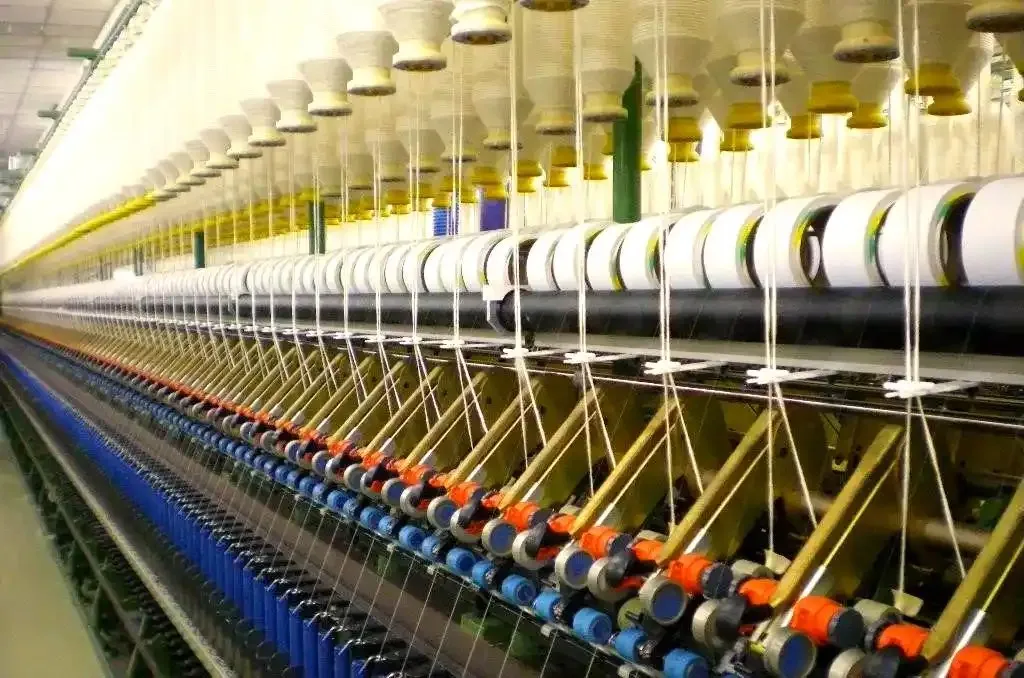
We also pay attention to machine feedback during sampling. A lab report is important, but it is not the whole story. Knitting performance, fabric inspection, dyeing result, finishing behavior, and customer comments all matter.
Vi-Tex has worked in functional knitting yarn development since 2003. Our quality work is supported by ISO management systems, OEKO-TEX and GRS-related documentation for selected products, and our background as a National High-Tech Enterprise. You can also read more about our R&D direction on the Technological Innovation page. Buyers can review related references such as OEKO-TEX STANDARD 100, Textile Exchange standards including GRS, and the ISO 9001 quality management standard.
These documents matter because fabric development is not only about whether the yarn feels nice in hand. It also needs testing, traceability, and repeatable quality.
How to Choose Between Carded Yarn and Combed Yarn
When choosing between carded yarn and combed yarn, start from the fabric problem you need to solve.
If the main concern is surface cleanliness, soft touch, fine-gauge knitting, stable light-color appearance, or lower hairiness, combed yarn is often worth testing.
If the fabric is bulky, brushed, dark-colored, highly textured, or very cost-sensitive, carded yarn may be enough.
Do not judge only by yarn price. A cheaper yarn can create hidden cost through broken ends, fabric defects, inspection time, sample revisions, and delayed approval. At the same time, using combed yarn where it is not needed can also waste cost.
The best decision comes from trial data, fabric target, and honest cost calculation.
Common Questions About Combed Yarn
Does combed yarn always cost more?
Usually, yes. The combing process removes noil and adds extra processing cost. However, if it reduces defects, improves approval speed, and makes bulk production more stable, the total cost may still be reasonable.
Is combed yarn softer than carded yarn?
In many cases, yes. Because it has fewer short fibers and lower hairiness, combed yarn often gives a smoother touch. Final softness still depends on fiber type, yarn twist, fabric structure, and finishing.
Does combed yarn improve yarn strength?
It usually improves strength potential because fiber length uniformity and parallelism are better. Final yarn strength still depends on raw material, spinning control, and twist.
Can combed yarn reduce pilling?
It can help by lowering hairiness and short fiber content. But pilling is also affected by fiber type, yarn twist, fabric construction, finishing, and washing behavior.
Is combed yarn necessary for functional yarn?
Not always. The decision should follow the fabric target. For some functional knitted yarns, combed yarn helps improve surface quality, comfort, and production stability. For other products, another yarn route may be more suitable.