WhatsApp : (+86) 19058080181 Email : info@vi-tex.com

What Is Yarn Dyeing? Methods, Benefits, and How to Choose the Right Process
Yarn dyeing means the yarn is dyed before it is knitted or woven into fabric. It is one of the basic processes in textile production and is widely used for woven fabrics, sweaters, socks, and yarns sold for direct use.
The definition sounds simple, but the effect is not small. Once color is fixed at the yarn stage, it influences more than appearance. It affects color depth, pattern clarity, handfeel, repeatability, and how the product behaves later in knitting or weaving.
That is why yarn dyeing still matters in real production. A buyer may only ask for a shade, but the mill has to think further: Will the shade stay stable after knitting? Will the yarn still feel full and soft? Does the order need flexibility for multiple colors, or does it need a more efficient route for repeat bulk production?
In factory work, yarn dyeing is not just about getting color onto yarn. It is about making the later stages easier to control. When color is built into the yarn before fabric formation, the final product usually has more design flexibility and, in many cases, better visual depth. This is especially clear in stripes, mélange looks, engineered patterns, and fancy knitted effects. At the same time, yarn dyeing is not automatically the right answer for every project. The method has to fit the yarn structure, the fiber system, and the commercial target.
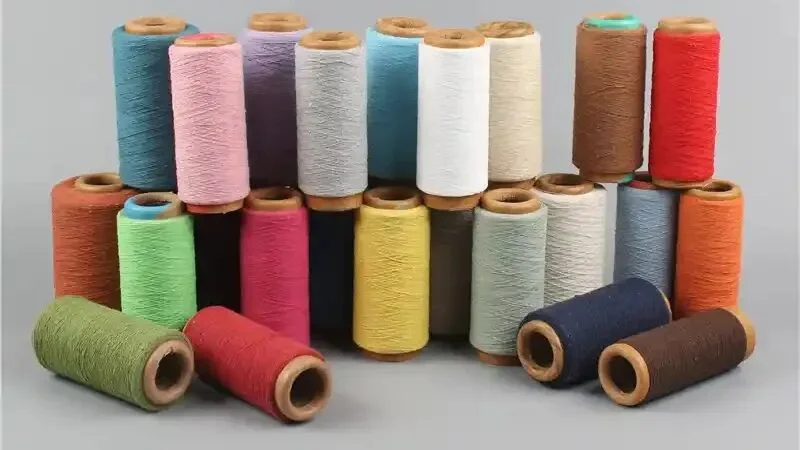
Why Yarn Dyeing Still Matters in Textile Production
The point at which color enters the process changes the whole logic of production. If yarn is dyed first, the mill has more control over how colors will work together later in knitting or weaving. That makes a real difference in developments where color separation and pattern definition matter.
It also changes development control. When the yarn color is decided earlier, the producer can evaluate the knitted or woven result sooner instead of waiting until the fabric stage to discover that the effect is wrong.
There is also a cost point here, but it should be stated honestly. Yarn dyeing is not always cheaper than piece dyeing on a direct process basis. In many cases, it is not. But total cost is a different question. If yarn dyeing reduces rework, shortens sampling cycles, improves repeatability, and gives a cleaner result in bulk, it can still be the better business decision.
Main Characteristics of Yarn Dyeing
One of the strongest characteristics of yarn dyeing is color clarity. Because the yarn is dyed before fabric formation, it can be combined with other yarns according to the design requirement. This is useful in stripes, jacquards, heather looks, contrast effects, and other structures where the relationship between colors has to stay clear.
Another point is appearance. Yarn-dyed products often look richer than piece-dyed ones because the color is already part of the yarn system before the structure is formed. In woven and knitted articles, that often creates more depth.
Handfeel is another reason many buyers still choose yarn dyeing. In hank dyeing especially, the yarn can relax more freely during processing. That helps release spinning tension and can give a fuller, softer handle. For sweater yarn and higher-value knitting programs, that still matters.
When the process is matched correctly to the fiber and yarn structure, yarn dyeing can also give good levelness and stable fastness. But this depends on process control. Shade, penetration, package density, liquor flow, and after-treatment all have to be handled properly.
Yarn dyeing is also useful in multi-color and smaller-batch developments. In those cases, flexibility can be more valuable than saving a little on the first dyeing quotation.
Common Yarn Dyeing Methods
Yarn dyeing includes several routes, and each one fits a different kind of product and production setup.
1. Hank Dyeing
Hank dyeing is one of the oldest and most traditional yarn dyeing methods. The yarn is wound into hanks or skeins and dyed in that form.
Its main advantage is the way the yarn behaves during dyeing. Because the yarn remains relatively open and relaxed, it can keep a fuller and softer character. This is one reason hank dyeing is still used in sweater programs and other knitwear developments where handle is important.
The limitation is efficiency. Hank dyeing is more labor-sensitive and is not usually the first choice for large repeat programs that need cone-ready packages for direct knitting.
2. Package Dyeing
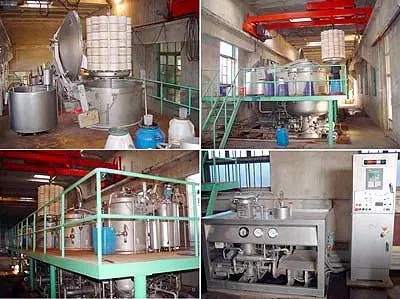
Package dyeing, also called cone dyeing, is one of the most common yarn dyeing methods in modern knitting production. The yarn is wound onto perforated tubes at a controlled density, then dyed by forcing dye liquor through the package.
For many knitting programs, this is the most practical route. It is efficient, scalable, and suitable for downstream production because the yarn is already in usable package form. It is widely used for socks, activewear yarns, performance knits, and many blended yarn programs.
But package dyeing only works well when the package is built correctly. If the winding density is too tight, the outside may look acceptable while the center stays lighter. In actual production, it is not enough to judge a dark cone from the surface. The more reliable way is to unwind into the middle layer, knit a quick check swatch, and compare it under standard light before bulk approval.
3. Beam Dyeing
Beam dyeing is used when warp yarns are dyed in beam form. The yarn is wound onto a perforated beam, and dye liquor circulates through the beam so the warp yarn can be dyed evenly.
This method is mainly used for yarn-dyed woven applications. It is suitable when the program requires a uniform warp color and a setup that fits woven production planning. Compared with hank or package dyeing, its use is more specific, but in the right woven category it is important.
4. Slasher Dyeing
Slasher dyeing is mainly used in color-warp woven production, especially denim-type programs. In this process, groups of warp ends pass continuously through dye baths, squeeze units, oxidation steps, and drying sections. After dyeing, the warp is sized and prepared for weaving.
This is a practical route for large continuous warp programs. It is not the main choice for general sock yarn or sweater yarn, but it is very important where warp-dyed woven construction is required.
5. Rope Dyeing or Ball Warp Dyeing
Rope dyeing, sometimes described in related warp applications as ball warp dyeing, is another method mainly associated with denim. Large numbers of yarn ends are grouped into rope form, dyed through repeated dipping and oxidation stages, then opened again before later processing.
It is effective in the right application, but it is specialized. It should not be confused with package dyeing, which serves a much wider range of knitted yarn programs.
6. Special Yarn Dyeing Methods
Yarns can also be dyed in special ways to create fashion effects rather than solid shades. These include space dyeing, section dyeing, tie-dye effects, gradient dyeing, discharge styles, and other partial-color methods.
These routes are used when the final product needs stronger visual identity. Space-dyed yarn, for example, can create irregular or repeating color movement in knitted fabric. Section dyeing applies different colors to different parts of the yarn length. Gradient dyeing creates a transition from light to dark.
The main point with these methods is that the yarn alone should not be the final reference. A space-dyed yarn can look attractive on the cone but behave very differently once it is knitted into a sock or sweater panel. Repeat length, gauge, stitch structure, and fabric scale all affect the final result. In practice, the knitted effect is usually the right thing to judge.
How to Choose the Right Yarn Dyeing Method
The first question should always be the end use. A sock yarn, a sweater yarn, and a warp yarn for woven fabric do not need the same process route.
For products that require soft loft and a fuller handfeel, hank dyeing is often worth considering. Where production efficiency, stable package feeding, and smooth downstream knitting matter more, package dyeing is usually the stronger choice. For woven warp programs, beam dyeing or slasher dyeing is often more suitable.
Fiber composition is the second key factor. Cotton, viscose, nylon, polyester, wool, and blends do not respond in the same way during dyeing. The same shade card does not guarantee the same uptake, the same feel, or the same risk level, especially in blended yarns where one component may dye differently from another.
The third factor is the order pattern. Some buyers focus only on the initial dyeing price, but that is too narrow a view. For repeat styles, shade consistency from lot to lot becomes critical. In smaller but color-heavy orders, flexibility matters more. When the launch window is short, development speed becomes a higher priority. A sound dyeing decision should be based on overall supply performance, not dyeing price alone.
A practical way to review the right method is to start with these four points:
- end use
- fiber composition
- order size and repeat pattern
- testing and quality requirements
Why Yarn Dyeing Matters Even More in Functional Yarn
In functional yarn, dyeing has to do more than make the yarn look right. It also has to protect the intended performance and keep the downstream process stable.
This becomes more important in antibacterial yarn, cooling yarn, moisture-management yarn, thermal yarn, and recycled yarn. In these programs, the buyer may start from color, but the mill has to consider shade, handfeel, knitting behavior, performance retention, and documentation at the same time.
A cooling blend that dyes evenly but becomes too harsh after processing is not a successful result. A recycled yarn that matches the approved shade but lacks clear lot traceability is not a complete result either.
For this reason, dyeing should not be separated from the rest of the value chain. End use, yarn structure, performance target, and compliance requirements all need to be reviewed together. In projects that require stricter documentation, process records and lot control also have to align with programs linked to ISO-based management, OEKO-TEX, or GRS-related supply chains.
Common Quality Risks in Yarn Dyeing
Most yarn dyeing problems do not appear dramatically at the beginning. They often show up later, during knitting, washing, finishing, or lot comparison.
Shade inconsistency is one of the most common risks. Uneven penetration is another. Handfeel drift is also a real issue. A yarn may look acceptable in lab form, then lose softness or become flat after knitting and washing.
Color fastness is another major control point. If the dye selection, process route, or after-treatment is wrong, the yarn may not meet the required level in washing, rubbing, or perspiration-related tests.
That is why yarn dyeing should be checked in a practical way. Lab dips are useful, but they are not enough on their own. The knitted or woven result matters more, because that is where the customer will judge the yarn in real use.
The Real Business Value of Yarn Dyeing
For buyers, the value of yarn dyeing is not simply “better color.” The more important point is better product control.
When the method is chosen correctly, yarn dyeing can support clearer design execution, stronger repeatability, more flexible color planning, and fewer surprises in production. This is especially useful in small-batch, multi-color, and high-mix developments.
Yes, yarn dyeing can cost more than piece dyeing on a direct process basis. But the cheapest route on paper is not always the safest route in bulk. If yarn dyeing reduces rework, keeps the product more stable, shortens approval cycles, and makes replenishment easier, the total value is often better.
Yarn dyeing remains one of the core processes in textile manufacturing because it shapes the product before the fabric is even made. The basic definition is straightforward: the yarn is dyed first, and the fabric comes later. But in production, the choice of method affects much more than color. It affects design control, handfeel, repeatability, quality risk, and the way the order performs in bulk.
Hank dyeing, package dyeing, beam dyeing, slasher dyeing, rope dyeing, and special-effect dyeing all have their place. The right route depends on the product, the fiber system, the order pattern, and the quality target. For buyers comparing options, the most useful starting point is still the same: define the end use, confirm the fiber blend, set the target shade, and make the testing requirements clear before choosing the dyeing method.