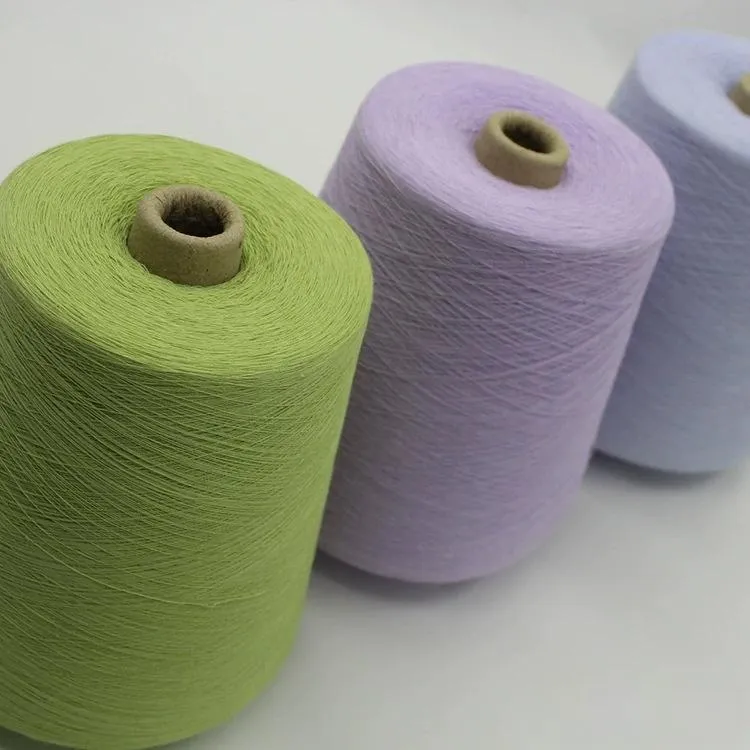
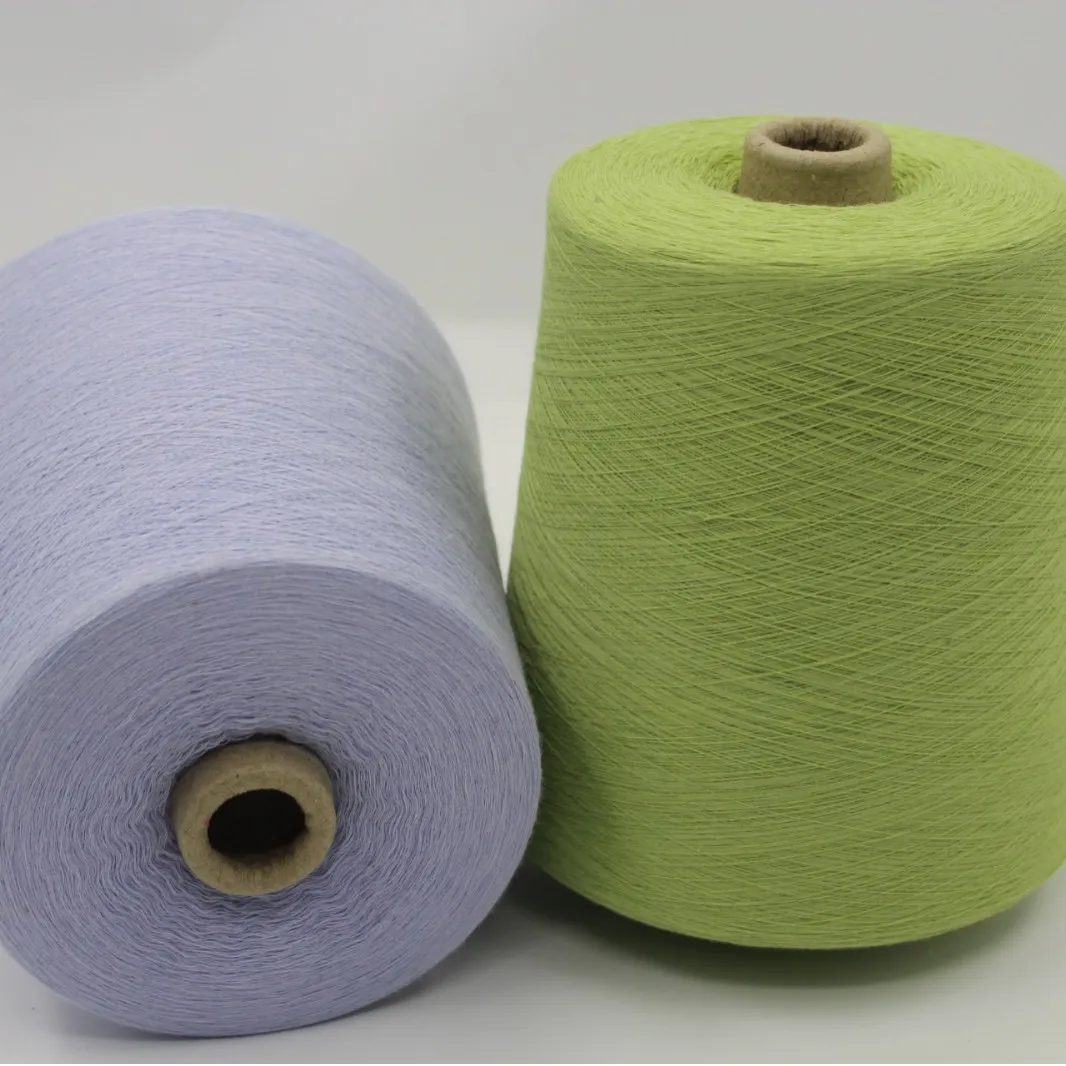
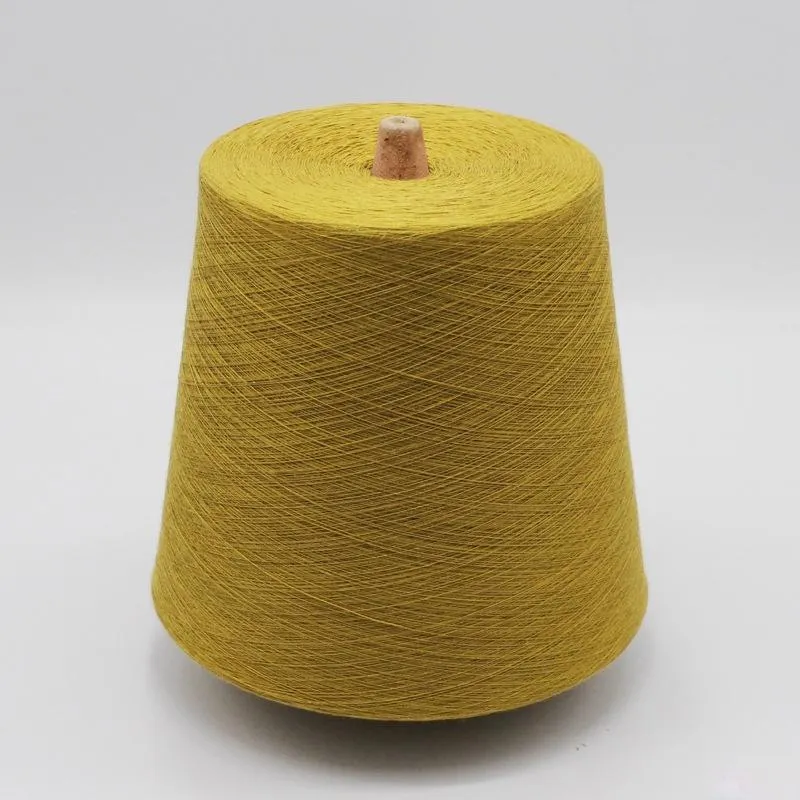
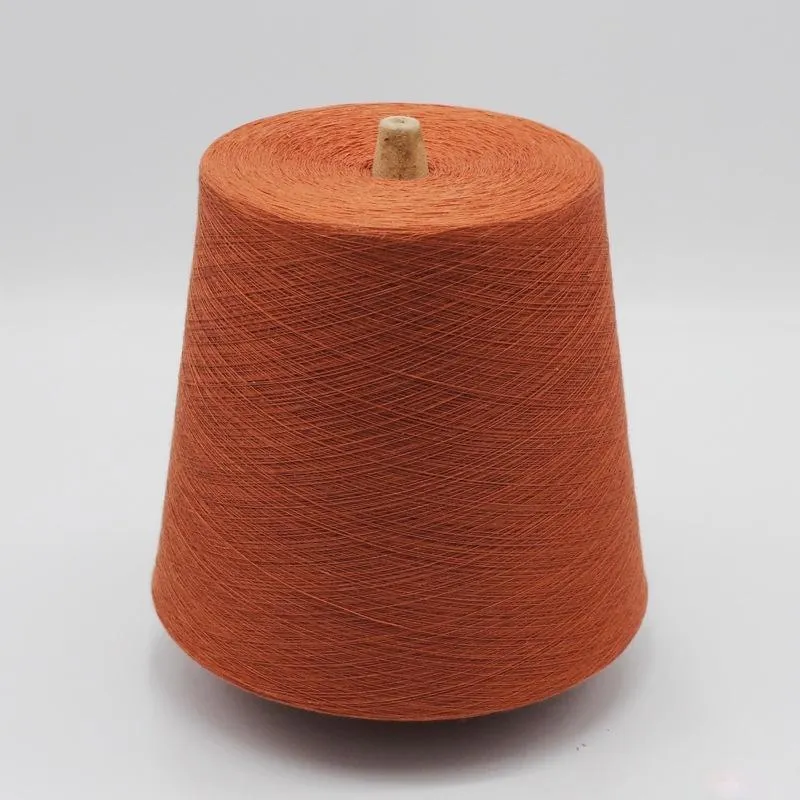
This 32/1 OCS organic cotton yarn uses 100% cotton and compact Siro spinning. The single-ply cone runs on 18-gauge knitting equipment for soft, breathable socks and knitted fabrics.
32/1 OCS organic cotton yarn gives sock mills and knitting factories a clear production specification: 100% cotton, single-ply construction, compact Siro spinning and cone supply. The yarn suits 18-gauge knitting and carries a listed linear density of 11–20 tex. Its cotton structure gives knitted goods a soft hand and breathable comfort without changing the product into a fiber blend.
We supply this OCS organic cotton yarn for buyers who need organic-material traceability, practical trial quantities and a defined route from color approval to bulk knitting. Stock and custom colors cover natural white, bleached white, red, blue, green, yellow, purple, cyan and mélange shades. The detailed specification lists a starting quantity of 1 kg per color. That entry point helps your team test color, machine settings and fabric performance before a larger order.
A sock yarn must feed evenly, form clear stitches and deliver the required next-to-skin feel. This 32/1 OCS organic cotton yarn combines a fine cotton count with compact Siro spinning. The process places the fibers in a controlled yarn structure. It limits loose surface fibers and produces a more compact strand than conventional ring-spun construction.
In technical terms, buyers get a compact Siro-spun cotton yarn with a defined count, ply, cone form and target machine gauge. These linked specifications make yarn selection easier for sampling teams and production technicians.
Cleaner yarn surfaces help control fly around the yarn path and knitting zone. A compact strand also supports stable loop formation when the operator sets tension, feed and machine speed for the yarn. Your mill spends less time correcting problems caused by an unsuitable count or an unclear yarn specification. The listed 18-gauge application gives the technician a practical starting point for trial knitting.
Single-Ply 32/1 Count
The 32S/1 construction uses one yarn end rather than a plied structure. This keeps the yarn fine and suitable for lightweight knitted fabrics and socks. The listed 11–20 tex range supports the 32-count specification. Buyers should approve the actual count, twist and conditioned test result against their own knitting standard before bulk use.
Soft and Breathable Cotton Structure
The OCS organic cotton yarn contains 100% cotton. Cotton gives socks and knitted fabrics a familiar natural hand, breathable wear and moisture absorption. These properties matter in products that remain in contact with the skin for long periods. The fiber content also keeps the material declaration simple for product development and purchasing teams.
This product does not contain a listed synthetic reinforcement fiber. Your development team should match the yarn with the required sock construction, plating yarn or elastic component when the finished product needs extra stretch, recovery or abrasion resistance.
OCS Material Traceability
The product listing identifies this OCS organic cotton yarn as an OCS material and states that OCS documentation is available. The Organic Content Standard tracks certified organic raw material through the supply chain. It verifies organic content and chain of custody. It does not certify chemical processing, social performance or every environmental aspect of textile production.
Ask for valid order documents before you make an OCS claim on finished goods. Match the supplier, product description, fiber content and shipment details across the purchase order and certificate records. This document check protects your traceability file and reduces delays during customer or brand review.
Technical Data for 32/1 OCS Organic Cotton Yarn
Product Type
Knitting cotton yarn
Fiber Composition
100% cotton
Yarn Count
32S/1; custom counts available
Ply
Single ply
Spinning Process
Compact Siro spinning
Yarn Form
Cone yarn
Linear Density
11–20 tex
Listed Twist Value
600; confirm the test method and unit in the purchase specification
Listed Machine Gauge
18 gauge
Main Use
Sock knitting and knitted fabrics
Colors
Natural white, bleached white, red, blue, green, yellow, purple, cyan, mélange and custom colors based on the approved color card
Minimum Order Quantity
From 1 kg per color according to the detailed product specification
Packaging
Carton packing
Listed Lead Time
Stock orders: 1–2 days after confirmation; custom production: 3–15 days after confirmation
Use this OCS organic cotton yarn table as a sourcing reference. Put the agreed count tolerance, twist test method, color standard, cone weight, conditioning method and certificate requirements into the final purchase specification. A written specification keeps the yarn mill, dyeing team and knitting floor aligned.
How OCS Organic Cotton Yarn Addresses Production Pain Points
Reduce Machine-Setup Risk
Unknown yarn count and construction create unnecessary trial work. This OCS organic cotton yarn states 32S/1, compact Siro spinning, single-ply form and an 18-gauge application. Your technician can use those facts to build the first machine setting. A controlled trial should still confirm feeder tension, stitch length, speed and take-down for the target sock structure.
Control Sampling Cost
Large color minimums force buyers to hold material before they approve the fabric. The detailed specification for this OCS organic cotton yarn starts at 1 kg per color. That quantity gives your team a practical route to color evaluation, lab testing and machine trials. It also helps development teams compare several shades without committing to bulk volume at the first stage.
Keep Fiber Content Simple
Complex blends require more purchasing controls and more detailed material declarations. This yarn uses 100% cotton. The single-fiber composition makes the raw-material specification easier to read and check. It also gives designers a direct cotton base for soft, breathable knitted goods.
Support Supply Planning
Stock yarn shortens the path to sampling and repeat production. Custom color service supports projects that must match a brand palette. The listed timing separates stock orders from custom production, so your purchasing team can plan the two routes independently. Confirm stock status, approved shade and required quantity before setting the production date.
Build a Clear Traceability File
General organic claims do not replace certificate records. OCS documentation gives your compliance team a defined chain-of-custody reference. Match the documents to the exact yarn and shipment. This step helps you answer customer questions with records instead of marketing language.
Applications for 32/1 Organic Cotton Yarn
This 32/1 organic cotton yarn for sock knitting targets fine-gauge knitted constructions. The listed 18-gauge use makes the OCS organic cotton yarn relevant for lightweight socks and related knitted fabrics. Cotton softness and breathability suit products designed for regular skin contact.
The specification also gives buyers a 100% cotton cone yarn for 18-gauge knitting trials. Test it in the target construction before bulk production because feeder layout, plating yarn and stitch settings change the final result.
Lightweight socks: Use the fine single-ply count for smooth, breathable knitted structures.
Casual and everyday socks: Use the 100% cotton base where softness and cotton content guide material selection.
Knitted fabric development: Test the cone yarn on compatible fine-gauge knitting equipment.
Organic-content programs: Use order documents to support qualified OCS material claims.
Color sampling: Use the listed 1 kg per-color entry point to approve shades and knitting behavior.
The product specification does not list elastane, nylon or another reinforcement fiber. Add the required support yarn in the sock construction when the finished product needs elastic recovery, compression or higher abrasion resistance.
Color Development and Order Planning
The OCS organic cotton yarn color route covers natural white, bleached white and a broad group of dyed shades. Buyers can select red, blue, green, yellow, purple, cyan and mélange options from the color card. Custom dyeing supports a buyer-defined shade after color approval.
Send a physical swatch, color code or approved standard under controlled light. State the end use and fiber-content requirement at the same time. Cotton shade appearance can change with yarn structure, fabric density and finishing, so approve the knitted result as well as the yarn cone.
Keep stock colors and custom colors on separate order lines. This simple step protects scheduling because the two routes carry different listed lead times. It also gives your warehouse a clearer record for shade, lot and quantity control.
Trial Knitting and Incoming Inspection
A small OCS organic cotton yarn trial protects bulk efficiency. Condition the yarn and test it under the same environment that you plan to use for production. Start with the 18-gauge application in the product specification, then adjust the machine for the actual sock structure.
Check the cone label against the purchase order.
Confirm 32S/1 count, 100% cotton composition and single-ply construction.
Record the lot number and approved color reference.
Inspect the cone for damage, contamination and visible winding defects.
Set feeder tension and stitch length through a controlled machine trial.
Review yarn breaks, fly, loop formation and fabric appearance during the trial.
Wash the trial fabric with the intended method before you approve hand feel, shade and dimensions.
Verify the OCS documents against the order when the program requires an organic-content claim.
Do not approve bulk knitting from cone appearance alone. The finished loop structure gives the best evidence for machine fit, shade and surface quality.
FAQ About 32/1 OCS Organic Cotton Yarn
What is the exact yarn count and ply?
The OCS organic cotton yarn uses a 32S/1 count. It contains one ply. The specification also lists an 11–20 tex linear-density range. Confirm the agreed tolerance in the purchase order when your knitting program uses a narrow count limit.
Does this yarn contain only cotton?
Yes. The listed fiber composition of this OCS organic cotton yarn is 100% cotton. The product does not list polyester, nylon, elastane or another blended fiber.
Which spinning process does the yarn use?
The OCS organic cotton yarn uses compact Siro spinning. This process creates a compact yarn structure and controls surface hairiness. Buyers receive a compact Siro-spun cotton yarn that supports cleaner feeding and clear stitch formation when the machine settings match the yarn.
Can an 18-gauge sock machine use this yarn?
The product specification identifies this material as a 100% cotton cone yarn for 18-gauge knitting. Run a controlled trial before bulk production because sock construction, feeder arrangement, plating yarn, tension and stitch length also affect performance.
What does the OCS claim cover?
OCS covers certified organic material content and chain of custody. It does not cover chemical processing, labor conditions or every environmental impact. Match valid certificate documents to the order before you use an OCS claim on the finished product.
Is OCS documentation available with the yarn?
The source product information states that OCS documentation is available. Tell us your OCS organic cotton yarn document requirements before order confirmation. Your compliance team should check that each document matches the product and shipment.
Which colors can buyers order?
Buyers can order natural white, bleached white, red, blue, green, yellow, purple, cyan and mélange colors. We also accept custom color development based on an approved color reference.
What is the minimum order quantity?
The detailed product specification lists an MOQ from 1 kg per color. Confirm the order quantity for each stock or custom shade because production and color routes use different order conditions.
How long does production take?
The listed lead time is 1–2 days after confirmation for stock orders. Custom production lists 3–15 days after confirmation. Confirm color approval, quantity and stock position before you fix the knitting schedule.
How do you pack the yarn?
We use carton packing. Put the required cone weight, cones per carton, label details and shipping marks into the order specification.
Can buyers request a count other than 32S/1?
The product information states that custom yarn counts are available. Send the required count, application, machine gauge and order quantity for a technical review.
Should buyers approve the yarn or the knitted fabric?
Approve both. The cone confirms the material, color and winding condition. The knitted trial confirms machine behavior, stitch definition, hand feel and shade in the target construction.