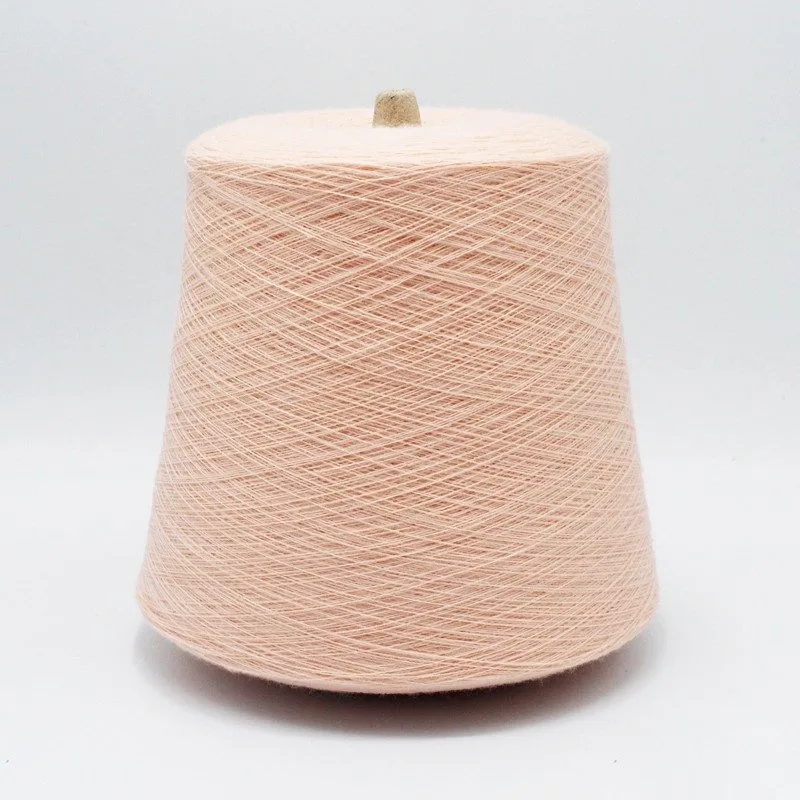
This compact-spun GRS recycled wool yarn comes in a 2/16 Nm two-ply count for socks, knitwear, underwear and base layers. Stock colors are ready for fast sampling, while custom counts and dyed-to-match shades are made to order.
VI-TEX supplies this GRS recycled wool yarn to sock mills, knitwear factories and apparel brands that want a wool program with traceable recycled content. The yarn is 100% recycled wool, compact spun into a 2/16 Nm two-ply count. It comes wound on cones, so it is ready for circular sock machines and flat knitting machines.
We keep stock colors on hand for sampling and quick development runs. When a collection needs its own palette, we dye to your color standard. We can also spin other counts when 2/16 Nm does not suit the fabric you have in mind.
GRS Recycled Wool Yarn Specifications
Parameter
Details
Fiber composition
100% recycled wool
Certification
GRS (Global Recycled Standard)
Yarn count
2/16 Nm, two plies of 16 Nm; custom counts available
Resultant count
About Nm 8, which is roughly 8,000 m per kg, 125 tex or 1,125 denier
Spinning process
Compact spun
Yarn form
Cone yarn, with cone weight set when we quote
Colors
Stock colors, plus dyed-to-match shades for production
Main uses
Socks, sweaters, cardigans, underwear and base layers
Packaging
Cartons, while labels and pallets follow your shipping needs
Stock lead time
Dispatched 1–2 days after order confirmation
Custom lead time
3–15 days after specification and color approval
Where 2/16 Nm Recycled Wool Yarn Works Best
In the metric count system, 2/16 Nm means two 16 Nm singles twisted together. Because a higher Nm number means a finer yarn, the plied result is about Nm 8. That puts this yarn on the fuller, warmer side of what most sock and knitwear mills run. For comparison, it weighs nearly seven times more per meter than a 32s/1 cotton sock yarn.
So it fits products where warmth and body matter more than a thin hand, such as:
Premium wool socks
Outdoor and cold-weather socks
Comfort and lifestyle socks
Sweaters and cardigans
Thermal underwear and base layers
Recycled-content capsule collections
Before you sample, send us the machine gauge or needle count, the fabric weight you are aiming for and the finishing route. Then we can confirm whether 2/16 Nm fits, or suggest a finer or coarser count instead.
Why We Compact-Spin This Recycled Wool
Compact spinning condenses the fiber strand just before the twist goes in. As a result, fewer fiber ends stick out and the surface looks cleaner. The yarn is also stronger than a conventional ring-spun yarn of the same count. Our guide on how compact spinning works covers the process in more detail.
This matters more for recycled wool than for new wool. Reclaimed fibers tend to be shorter, and short fibers usually mean more hairiness. A condensed structure gives you clearer stitch definition and less fuzz on the knitted face. Still, fiber quality, twist and machine settings shape the final fabric too, so the sample run tells you more than any spec sheet.
Wool Comfort, Odor Control and Processing Notes
Wool has a standard moisture regain of about 15%, compared with 8.5% for cotton and 0.4% for polyester. It takes up water vapor from the skin before it starts to feel damp, which keeps feet more comfortable when temperature and activity change. The natural crimp in each fiber also traps air, and that is where most of wool’s warmth comes from. It gives knitted fabric good elasticity as well.
Because a drier sock gives odor-causing bacteria less moisture to work with, wool helps limit sock odor. Even so, general wool properties are not proof of an antibacterial result. If your label will carry an antibacterial or deodorizing claim, test the finished sock to a recognized method such as ISO 20743 or AATCC 100.
Wool does not tolerate strong alkali, which is why wool dyeing and finishing normally run in neutral to acidic baths. Dye houses that usually handle cotton should keep this in mind when they set up a recipe for this yarn.
GRS Documents for Recycled Wool Orders
The Global Recycled Standard verifies recycled content and tracks it through each stage of the supply chain. Two documents do most of the work here. The scope certificate lists the sites and products a company has certified, while a transaction certificate covers one shipment.
We share the current scope certificate and technical data sheet when we quote for this GRS recycled wool yarn. Because transaction certificate terms depend on the order, tell us at the quotation stage if your brand needs one.
From Sample to Bulk Production
Samples of the GRS recycled wool yarn go out by DHL or FedEx, and the buyer usually covers the courier cost. Before knitting, agree with us on the count, shade, cone weight and package weight. Then run it on your production machine. Watch how it feeds, how often it breaks and how clean the stitches look.
Once you approve a sample, we both keep it with the signed specification as the reference for bulk. Bulk orders travel by air or sea, depending on the destination and the delivery date you need. Our standard terms are a 30% deposit, with the balance paid before shipment.
Our technical and sales staff have spent more than 20 years sourcing functional and specialty yarns. The same people handle your specification, colors, quotation and production follow-up, so nobody new needs briefing midway.
FAQ About GRS Recycled Wool Yarn
Where can I buy 2/16 Nm GRS recycled wool yarn?
VI-TEX (Vi-Tech Global Company Limited) supplies compact-spun 2/16 Nm GRS recycled wool yarn on cones, made from 100% recycled wool. Stock colors ship within 1–2 days of confirmation, while custom shades and counts are made to order. Use the quote form on this page to ask for the technical data sheet, the stock color options and samples.
Is 2/16 Nm too heavy for underwear and base layers?
Not for warm, mid-weight pieces. Thermal base layers and winter underwear benefit from the extra body of a two-ply yarn. A lightweight jersey for year-round wear, however, usually calls for a finer count. Tell us your target fabric weight, and we will advise whether to keep 2/16 Nm or go finer.
How does recycled wool yarn compare with new wool yarn?
Both give you wool’s warmth and moisture handling. The differences come from fiber length and sourcing. Reclaimed fibers are usually shorter, so a recycled yarn can show more hairiness and slightly lower strength than a comparable new-wool yarn. On the other hand, the GRS chain of custody lets you back up a recycled-content claim. If a project does not need recycled content, our 2/26 Nm 100% wool yarn is a finer option for both knitting and weaving.
Will socks knitted from this yarn felt in the wash?
They can if the wash is hot. Wool fibers felt and shrink in hot water with heavy agitation, so a wash test on the finished sock is the best guide. Set the care label from that result, which is usually a cool wool cycle or hand wash.
Do 100% wool socks need nylon in the heel and toe?
For hard-wearing socks, usually yes. Wool has good elasticity but lower abrasion resistance than nylon, which is the most abrasion-resistant of the common textile fibers. For this reason, many sock mills reinforce the heel and toe with nylon while they keep recycled wool in the leg and foot. Keep in mind that a virgin nylon reinforcement also changes the recycled-content percentage you can state on the label.