WhatsApp : (+86) 19058080181 Email : info@vi-tex.com

Solution Dyed Yarn vs Pre-dyed Yarn: Pros, Cons & Distinctions
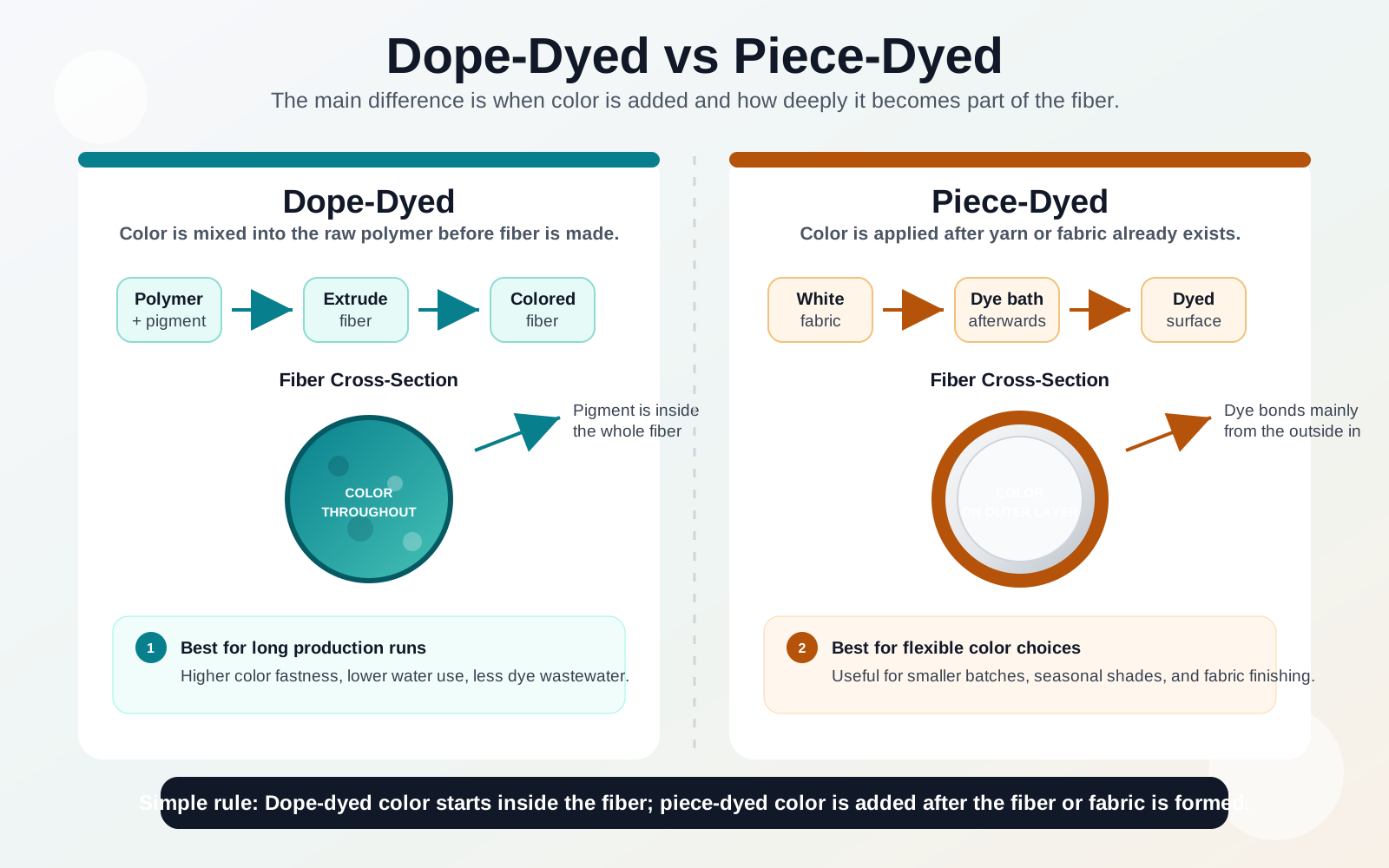
Solution dyed yarn is made by mixing pigments or dyes into raw materials for coloration. Since color is added directly to the spinning solution, it can be produced in red, blue, black and other colors. Yarn-dyed fabrics may adopt either solution dyed yarn or conventional pre-dyed yarn. Even for the same yarn-dyed fabric, these two types of yarn deliver different visual effects. In fact, they have distinct characteristics. Solution dyed yarn boasts unique strengths, so you can pick the right one based on actual demands. For this reason, we will explain solution dyed yarn and its differences from pre-dyed yarn here. After reading this guide, you will learn about its features and recognize its practical advantages.
What is Solution Dyed Yarn?
Official Name: Dope Dyed Yarn ✦ Yarn colored by blending pigments or dyes into the spinning dope. ✦ It is widely recognized as an eco-friendly yarn thanks to its low environmental impact.
The official name of colored dope yarn is dope dyed yarn.
We add pigments, dyes and other colorants into chemical fiber spinning dope to finish coloration.
Yarn made from such colored fibers is known as dope dyed yarn. Since the colorant blends fully with the yarn, it has many advantages.
Besides, it gains wide attention amid the trend of sustainable development, for it creates little environmental burden.
Pre-dyed yarn is another common colored yarn. Its dyeing process consumes massive water and energy, and also produces large amounts of carbon dioxide.
In contrast, dope dyed yarn skips the separate dyeing step. It uses far less water and energy, and cuts carbon emissions greatly. That is why it is regarded as an eco-friendly yarn.
Advantages and Disadvantages of Dope Dyed Yarn
1、Anti-Fade, Anti-Discolor & Anti-Stain
Dope dyed yarn is colored directly at the raw material stage, so pigments blend fully with fibers.
The colorants are locked inside fibers, delivering strong resistance to fading, discoloration and staining.
For textile products, especially garments, color stability is crucial. Therefore, this durability stands out as a major advantage.
2、Suitable for Hard-to-Dye Fibers
Dope dyeing works well for fibers that are hard to color.
It is widely applied to low-dyeability fibers such as polypropylene, polyethylene and aramid.
3、Limited Color Range
Color changes cause substantial material waste during production of dope dyed yarn.
All raw materials blended with colorants will turn into the set color.
Besides, machines need thorough cleaning before switching to a new color. This process takes much time and labor.
Thus, frequent color changes are not practical, and production requires a certain minimum order quantity.
4、Prone to Thermal Shrinkage
Pre-dyed yarn goes through heat treatment during dyeing.
Polyester fibers, for example, require heating up to around 130°C.
With heat setting finished, they barely shrink at such temperatures afterwards.
In contrast, dope dyed yarn skips the dyeing process and high-temperature treatment.
So it is more likely to suffer thermal shrinkage.
However, heat setting can effectively reduce this shrinkage issue.
Differences Between Dope Dyed Yarn and Pre-Dyed Yarn
Pre-dyed yarn refers to yarn dyed at the fiber or yarn stage.
Unlike dope dyed yarn which is colored in spinning dope, it gets dyed after fiber or yarn formation.
Since dyeing takes place at this later stage, manufacturers can produce bulk yarn first and then dye it in various shades.
Therefore, pre-dyed yarn allows wider color selection and richer color variations compared with dope dyed yarn.
