WhatsApp : (+86) 19058080181 Email : info@vi-tex.com

Textile Science | Natural Fibers: Cotton Fiber – All You Need to Know About the Cotton You Wear Every Day
Who doesn’t own several cotton pieces in their wardrobe? Whether it’s close-fitting undergarments, everyday T-shirts, bedding, or classic denim, cotton stands as the oldest and most widely used natural textile fiber for humanity. Therefore, today we will conduct a full-scale breakdown of cotton fiber. Starting with its origin and internal structure, followed by major cotton varieties, we will then cover its functional properties, shopping tips to avoid common pitfalls, as well as practical care and washing guidelines. Even beginners with zero textile background can grasp all these key points effortlessly!
Cotton’s History & Modern Uses
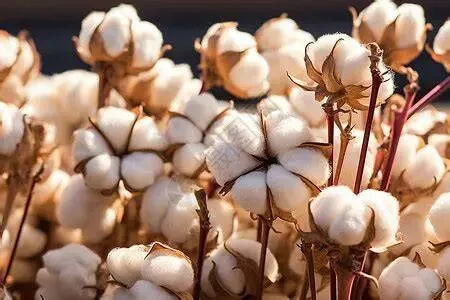
Cotton fibers are single-cell filaments that grow from the epidermal cells of cotton seeds. Humans have utilized cotton for more than 7,000 years, and this crop originally grew in tropical and subtropical regions including India and the Arab world.
Cotton first reached China’s border areas during the Han Dynasty, yet it was not widely cultivated back then. Later, its planting expanded across the whole country in the Song and Yuan dynasties. During the Yuan Dynasty, Huang Daopo revolutionized cotton textile techniques. Thanks to her innovations, cotton gradually replaced ramie and kudzu fiber, becoming the primary clothing material for ordinary people.
Today, China ranks among the world’s major cotton producers. What’s more, Xinjiang long-staple cotton stands as a flagship variety of top-tier long-staple cotton worldwide.
Micro Secrets of Cotton Fiber
Cotton’s core advantages all stem from its unique microscopic structure:
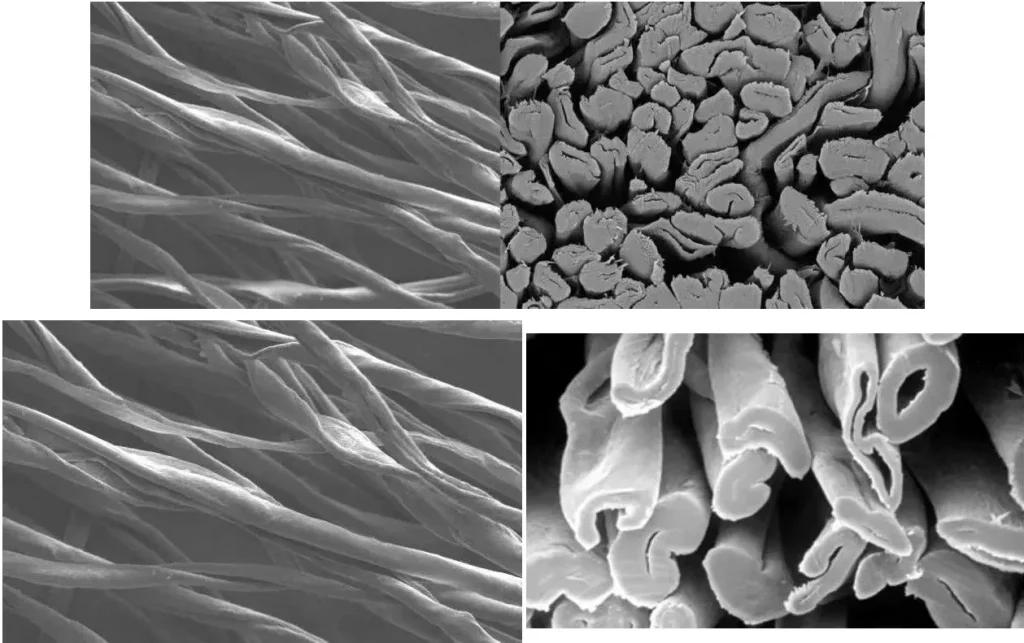
1、Longitudinal structure: Cotton fibers feature natural spiral twists that resemble tiny springs. More twists deliver stronger cohesion between fibers, which improves yarn quality during spinning. Meanwhile, these twists also lend fabrics soft fluffiness and excellent air permeability.
2、Cross-sectional structure: The fiber takes on a kidney-bean shape with a natural hollow lumen. Its outstanding moisture absorption mainly comes from numerous hydrophilic hydroxyl groups (-OH) on cellulose molecular chains. These groups quickly absorb and release sweat, bringing a standard moisture regain rate of around 8.5%. This explains why pure cotton feels comfortable against the skin, absorbing sweat without trapping heat.
All Cotton Fiber Varieties & Differences
1、Cotton Types by Variety
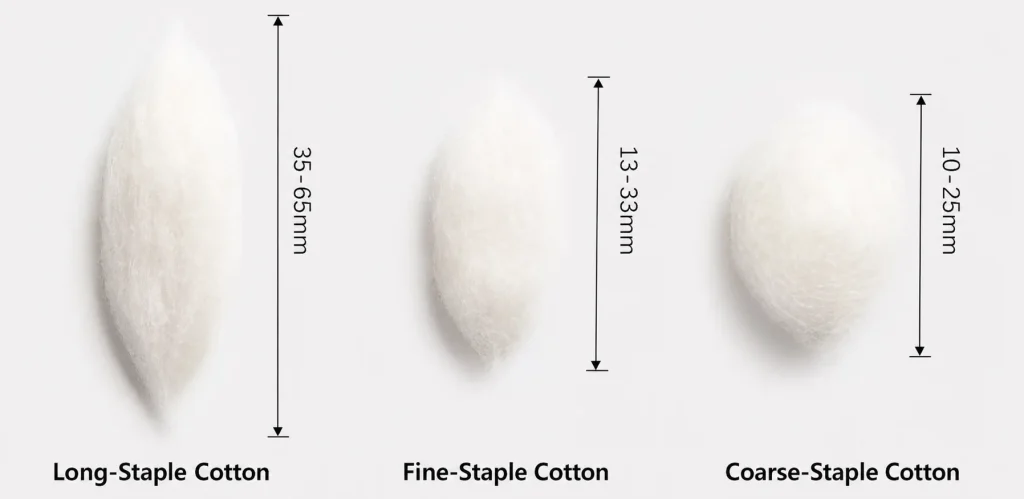
Short-staple cotton: Its fibers are short and thick with inferior quality, so it has been largely phased out and rarely used in garment textiles today.
Medium-staple cotton (Upland cotton): It supplies over 90% of all pure cotton fabrics on the market. The fibers measure 23 to 33 millimeters long, featuring great spinnability and outstanding cost performance. It suits most daily apparel and home textile fabrics, making it the most widely planted cotton variety globally.
Long-staple cotton: Known as the premium grade among all cotton types. Its fibers generally reach 33 millimeters or longer, with finer fineness and more natural twists. The material boasts a silky luster and far higher tensile strength than regular cotton. Typical varieties include Xinjiang long-staple cotton, Egyptian cotton and American Pima cotton. Manufacturers mostly apply it to high-end home textiles, high-count high-density fabrics and luxury close-fitting garments.
2、Classification by Spinning Process
Carded cotton: It adopts the basic spinning process. Its fibers have average uniformity, so fabrics feel slightly rough and prone to fuzzing. With an affordable price tag, it is widely used for casual outerwear and basic T-shirts.
Combed cotton: It adds an extra key combing procedure to remove short fibers, neps and impurities. As a result, the remaining fibers become much smoother. Fabrics made from combed cotton feature a delicate, soft touch, lower shrinkage and great resistance to pilling, making them the top choice for undergarments, premium T-shirts and baby-friendly textiles.
3、Special Sustainable Cotton
Organic cotton: Farmers grow it without chemical pesticides or fertilizers throughout cultivation. Besides, the farmland undergoes purification for over three years. Free of chemical residues, organic cotton is gentle to skin, which makes it the top pick for sensitive skin and infant textiles.
Natural colored cotton: It comes with inherent natural hues, so most products skip chemical dyeing and deliver low-carbon, eco-friendly performance. However, bear in mind that commercially sold colored cotton goods often go through fixing, softening and other finishing treatments, meaning they are not entirely free of chemical processing.
Core Advantages and Disadvantages of Cotton Fiber
1、Cotton Shopping Tips: Avoid Traps
Check the care label: Per common industry standards, fabrics with a cotton content of 95% or above can be labeled pure cotton. There is no strict legal distinction between the terms “pure cotton” and “full cotton”, so always refer to the exact fiber composition marked on the tag.
Choose fabrics based on usage scenarios: For undergarments and baby items, combed cotton, long-staple cotton or organic cotton are the top picks. When it comes to casual outerwear and loungewear, carded cotton offers better value for money. Meanwhile, long-staple cotton fabrics with high yarn count and high density work best for premium bedding.
Do not blindly chase ultra-high yarn counts: 40-count cotton is fully sufficient for everyday T-shirts, while 60 to 80 counts strike a good balance between soft texture and durability for bedding. Fabrics over 100 counts are much more delicate and require more complicated maintenance.
Cotton Fabric Maintenance Guide
Prevent shrinkage: Wash cotton items in cold water and avoid soaking them in hot water for extended periods. Gentle machine washing or hand washing delivers the best results.
Reduce wrinkles: Stretch the fabric flat right after washing before hanging it to dry. Do not wring it too hard, and iron the garment when it is half-damp for optimal shaping effects.
Stop yellowing: Keep white cotton fabrics away from prolonged direct sunlight on their outer side; flipping them inside out to dry works much better. In addition, steer clear of long-term use of chlorine bleach or highly alkaline traditional laundry powder.