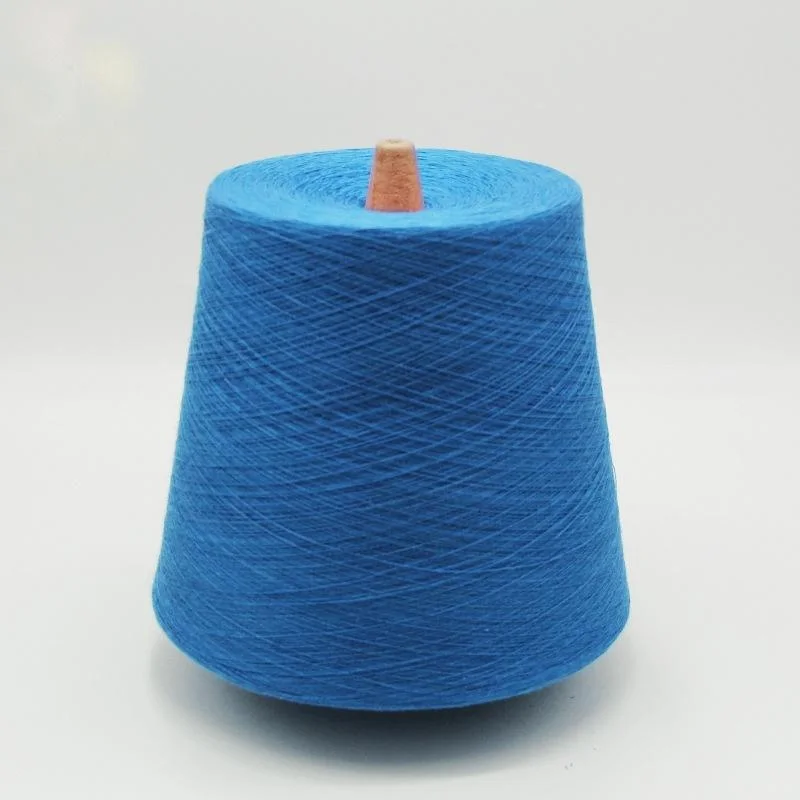
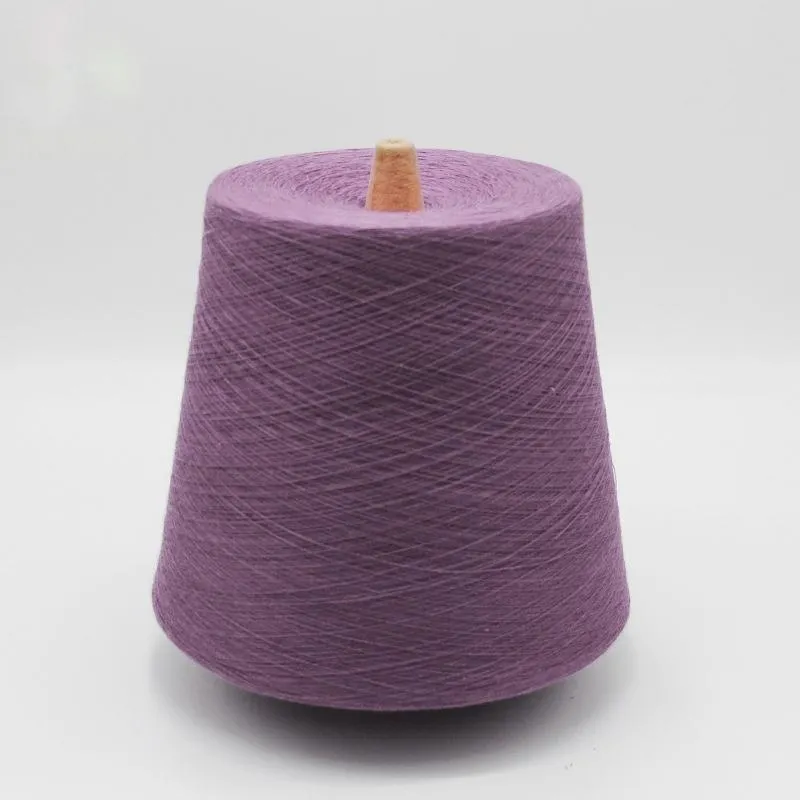
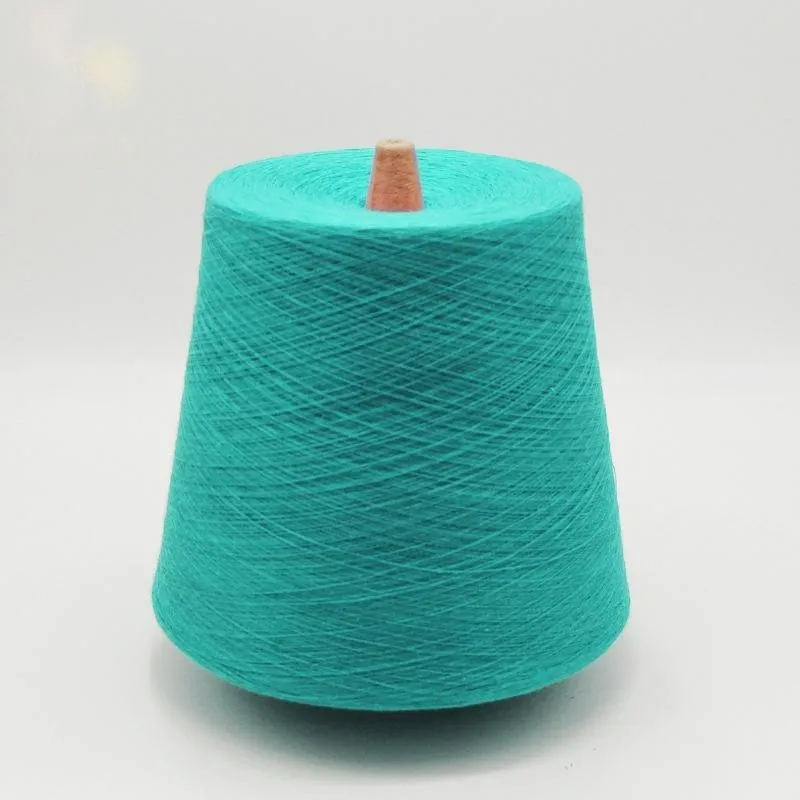
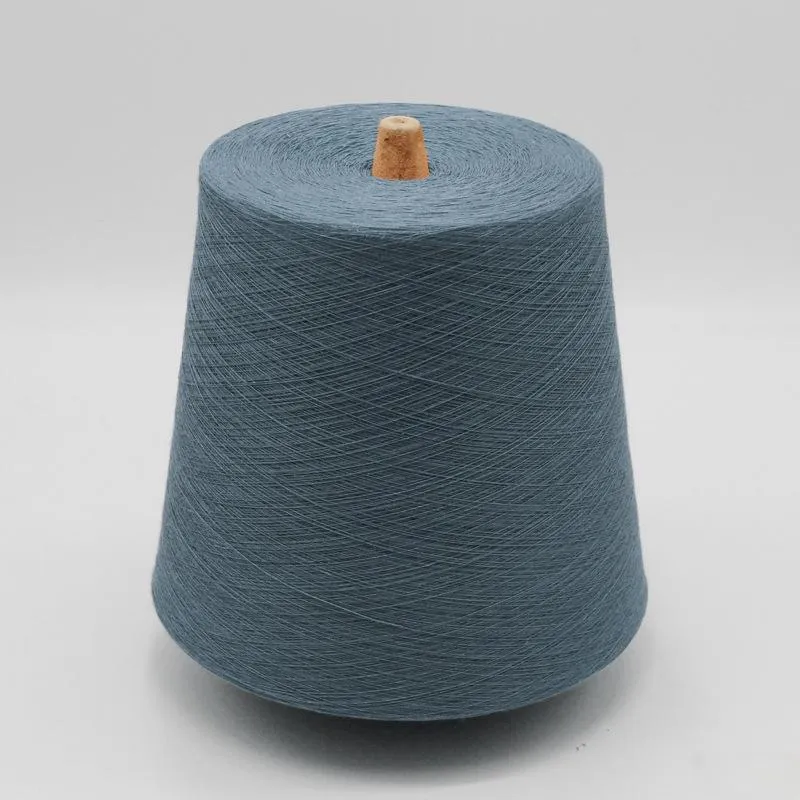
Anti-Pilling Cool Sock Yarn (32s/1) for Spring/Summer Socks
$928
This anti-pilling cool sock yarn is a 32s/1 dyed cone yarn made with 55% viscose and 45% nylon. It is intended for spring and summer sock programs that need a softer, cooler hand together with practical wear support. Viscose contributes softness and moisture-related comfort, while nylon adds strength and abrasion support.
Fiber Composition: 55% viscose / 45% nylon
Yarn Count: 32s/1, single ply
Yarn Form: Dyed cone yarn
Primary Application: Spring/summer sock knitting
Color: Custom shades confirmed against an approved reference
Bulk MOQ: 5,000 kg; confirm whether this applies per shade or to the total order
Dispatch Reference: Up to 30 days after specification, shade, and order details are confirmed
Packaging Reference: Cartons; confirm cone net weight and carton quantity with the quotation
32S Viscose-Nylon Cooling Yarn for Sock Manufacturers
This anti-pilling cool sock yarn is a 32S viscose-nylon cooling yarn for manufacturers developing dyed socks for warmer seasons. Its 55% viscose and 45% nylon composition combines two different functions in one yarn. Viscose supports a smooth, soft hand and helps the finished sock feel more comfortable in warm conditions. Nylon contributes strength and wear support during knitting and use. For this reason, the blend is suitable for programs that need more durability than a viscose-only yarn without moving to a nylon-heavy construction.
The yarn is supplied in 32s/1 single-ply form for sock knitting. It can be developed in customer-requested colors, subject to shade approval and production confirmation. However, “anti-pilling” and “cool-feel” should be treated as performance targets rather than automatic guarantees. Knit density, machine settings, dyeing, finishing, and the selected test method can all change the final result. The production standard should be based on an approved sock or fabric sample, not on yarn appearance alone.
What the 55/45 Blend Means in Production
Viscose gives this viscose nylon blended sock yarn its softer hand and moisture-related comfort. As a result, it can support spring and summer sock constructions that should feel less dry or harsh against the skin. Nylon improves yarn support and abrasion resistance, which can help the yarn run more reliably than a comparable viscose-only option.
At the same time, the blend does not remove the need for production trials. A softer construction may react differently from a dense or highly finished sock. For example, feeder tension, stitch density, plating yarns, and finishing conditions may affect surface fuzz and pilling. Buyers should evaluate the finished sock under the test method used by their customer or market.
Anti-Pilling Cool Sock Yarn Specifications
Item
Current Product Reference
Confirmation Required Before Order
Product
Dyed anti-pilling cool sock yarn
Confirm product code and current TDS revision
Fiber Composition
55% viscose / 45% nylon
Confirm by current specification or composition report
Yarn Count
32s/1, single ply
Use 32s/1 as the controlling commercial count
Yarn Form
Dyed cone yarn
Confirm cone format and winding requirement
Application
Spring/summer sock knitting
18G is a reference; approve on the buyer’s actual machine
Twist
Reference value: 600
Confirm unit, direction, tolerance, and current production value
Linear Density
Confirm against the current TDS
Do not use a broad tex range as the final acceptance standard
Color
Customer-requested dyed shades
Approve a color card, lab dip, or physical shade reference
Packaging
Carton packing; 1 kg per cone is the current reference
Confirm net weight, tolerance, cones per carton, and carton marks
Bulk MOQ
5,000 kg
Confirm MOQ per shade and total order quantity
Dispatch
Up to 30 days
Confirm the start point after PO, payment, specification, and shade approval
Price
Quotation based
Confirm quantity by color, testing, packaging, Incoterm, and destination
How to Qualify Anti-Pilling and Cool-Feel Performance
First, define the test method and acceptance level before requesting a production sample. The method should match the buyer’s market or internal quality system. Next, knit the trial yarn on the machine and settings intended for bulk production. This is important because the same yarn can perform differently when stitch density, tension, plating, or finishing changes.
After knitting, apply the planned dyeing and finishing route before testing the sample. In addition, record the machine settings, yarn lot, test conditions, and result. If the sock meets the target, approve it as the reference sample for bulk production. Finally, retain both the approved sample and the written acceptance criteria. This process gives the buyer and supplier one standard for evaluating later lots.
Because the finished construction controls much of the result, VI-TEX does not recommend approving an anti-pilling claim from cone appearance alone. Instead, request available product-specific evidence and verify the final sock under the agreed method. This approach produces a more defensible product claim and reduces avoidable disagreements after shipment.
Bulk Order, Shade, and Lot Control
For a faster quotation, send the target sock type, machine gauge, planned quantity by color, required delivery date, destination, and Incoterm. Also include the pilling or cool-feel test method when one is required. With this information, the supplier can confirm whether the current yarn specification fits the program before price and production timing are finalized.
Before bulk dyeing, approve a physical shade reference, color card, or lab dip. Then record the approved color code on the order documents. In addition, specify whether the 5,000 kg MOQ applies to each shade or to the full order. The PO should also define the dispatch start point, cone net weight, carton quantity, carton marks, and lot identification.
During receiving, keep different dye lots separated until shade and knitting checks are complete. Carton and cone labels should show the product code, yarn count, color code, and lot number. A pre-shipment photo set, packing list, and inspection arrangement can be discussed when the order requires additional documentation.
Best-Fit Sock Programs
This anti-pilling cool sock yarn is best suited to dyed spring and summer sock developments. It can support casual socks, fashion socks, private-label collections, and other warm-season programs that need a soft hand with added wear support. Moreover, the dyed cone format gives product teams flexibility when planning seasonal color ranges.
However, the yarn should not be presented as proof of a finished sock’s pilling grade, cooling value, colorfastness, or service life. Those results depend on the complete construction and process. For that reason, buyers should confirm the final specification, shade, and test result before making performance claims or starting bulk production.
Why Source This Bulk Program from VI-TEX
VI-TEX can align the fiber ratio, yarn count, shade reference, packaging, and order terms in writing before production. In addition, buyers can request the current technical data sheet, available test evidence, packing information, and pre-shipment photos. Sample and inspection requirements should be agreed before the PO so that they can be included in the quotation and schedule.
The purpose of this workflow is practical: both parties approve the same product and acceptance criteria. As a result, the knitting trial, shade decision, bulk order, and receiving inspection follow one documented reference.
Frequently Asked Questions
Where can buyers source 32S viscose-nylon cooling yarn for sock production?
VI-TEX offers this 32s/1 dyed sock yarn in a 55% viscose and 45% nylon blend for spring and summer sock programs. Buyers should request the current TDS and reconfirm the specification, MOQ, shade plan, lead time, and test evidence with the quotation.
Is 32S nylon viscose cooling yarn suitable for knitting?
Yes, this yarn is intended mainly for sock knitting, with 18G shown as an application reference. However, machine gauge alone does not confirm suitability. Buyers should run the yarn on their actual machine, tension, stitch density, and finishing route before approving bulk production.
What should buyers confirm about the 32s/1 specification?
Use 32s/1 as the primary commercial yarn count. In addition, confirm the current tex value, twist unit, twist direction, tolerance, winding format, cone weight, and applicable test requirements on the TDS or quotation. These details should not be inferred from a broad reference range.
Does this anti-pilling cool sock yarn guarantee a specific pilling result?
No yarn alone can guarantee the pilling grade of every finished sock. Yarn structure contributes to the result, but knit density, machine settings, dyeing, finishing, and the test method also matter. Approve the claim only after testing the intended sock construction.
How should buyers verify the cool-feel claim?
Start by defining what “cool-feel” means for the target market. Then use the buyer’s accepted method to test the finished sock or fabric under documented conditions. If a product-specific report is available, compare its method and sample construction with the planned product before using the result.
Can VI-TEX supply custom dyed colors?
Yes, colors can be developed against a customer reference. First, agree on a color card, lab dip, or physical standard. After approval, record the shade code and lot-control requirements on the order to reduce variation across deliveries.
What are the MOQ and dispatch time?
The current bulk reference is 5,000 kg, with dispatch planned within up to 30 days after the required order details are confirmed. However, buyers must confirm whether the MOQ applies per color or to the total order. The quotation should also define when the dispatch period begins.
What information should be included in the RFQ?
Send the sock application, machine gauge, quantity by color, shade reference, test method, packaging requirement, destination, Incoterm, and required delivery date. As a result, VI-TEX can check the current specification and return a more accurate sample plan and quotation.