WhatsApp : (+86) 19058080181 Email : info@vi-tex.com


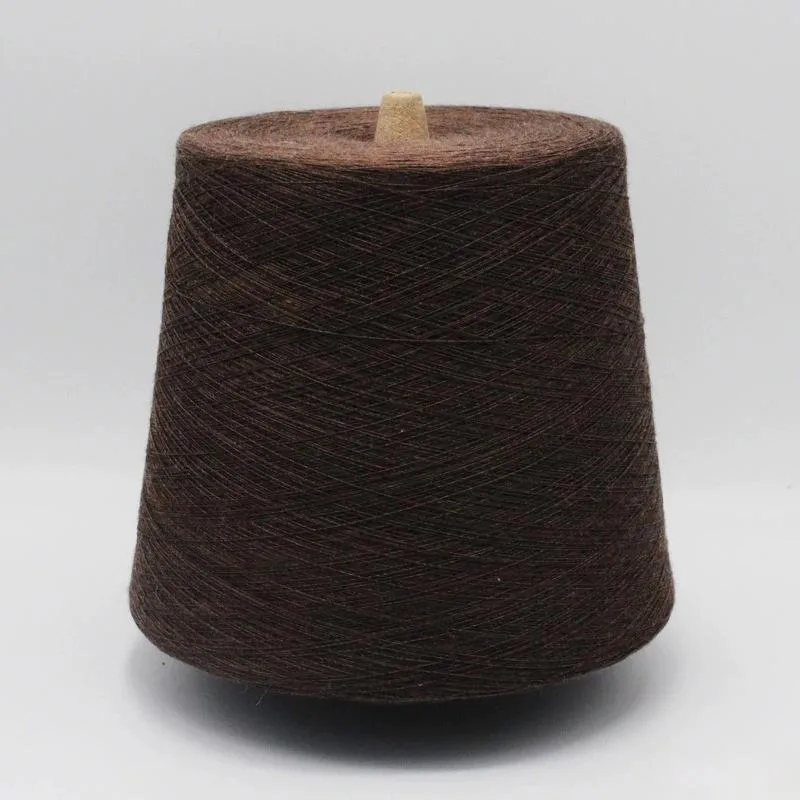
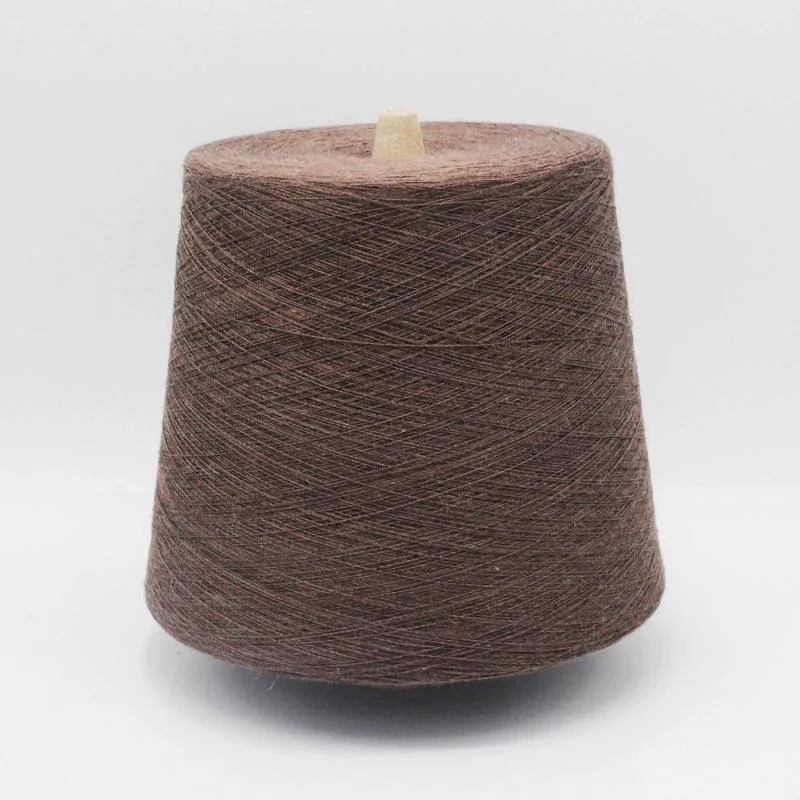
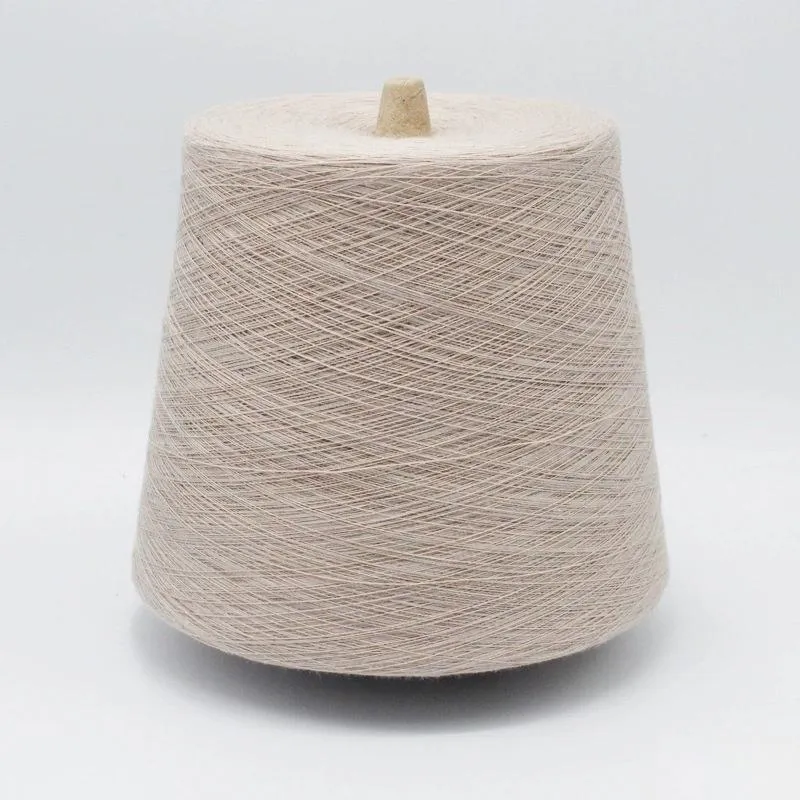
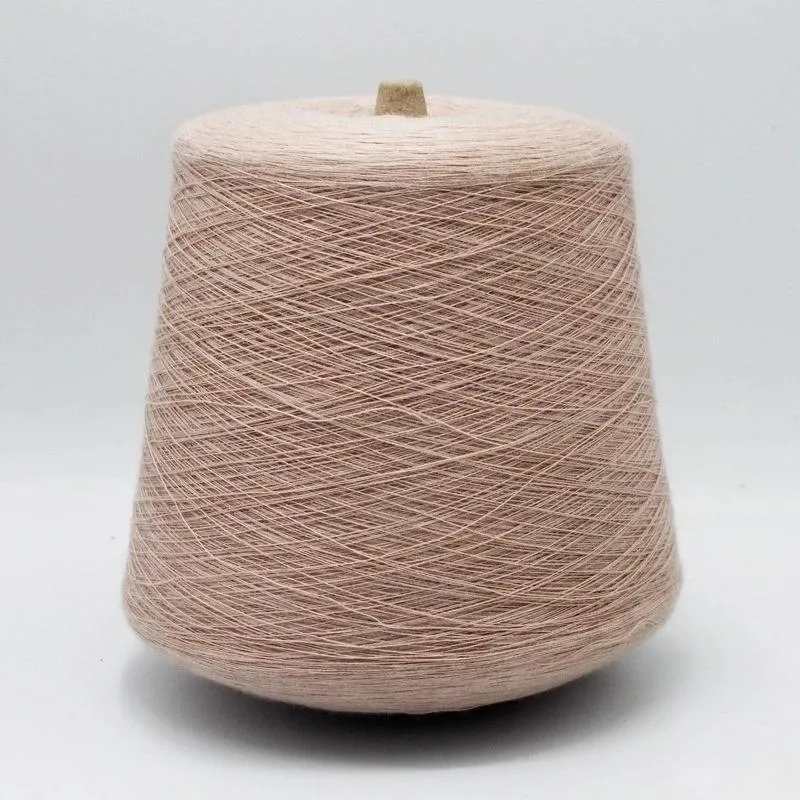
Silk Cashmere Blended Yarn for Socks | 1/28 Nm Siro-Spun Dyed Yarn
1/28 Nm silk cashmere sock yarn for autumn and winter production. This siro-spun dyed blend contains 5% cashmere, 5% silk, 20% viscose, 20% nylon and 50% polyester.
- Spinning Process: Siro spinning
- Yarn Count: 1/28 Nm (customizable)
- Fiber Composition: 5% Cashmere, 5% Silk, 20% Viscose, 20% Nylon, 50% Polyester
- Yarn Form: Blended dyed sock yarn (single yarn)
- Minimum Order Quantity (MOQ): From 1 kg per color
- Packaging: Carton packing
1/28 Nm silk cashmere sock yarn for autumn and winter
VI-TEX supplies 1/28Nm cashmere-silk specialty yarn for autumn and winter socks. The yarn uses siro spinning and contains 5% cashmere, 5% silk, 20% viscose, 20% nylon and 50% polyester.
The product is supplied as a dyed blended sock yarn in single yarn form. The count can be customized. For development orders, the MOQ starts at 1 kg per color, so buyers can check shade and machine performance before planning a larger lot.
What the blend is intended to offer
Cashmere and silk give the yarn a softer touch. Nylon and polyester support wear resistance and shape retention, while the full blend keeps the material mix more practical than a high-cashmere construction. Final warmth and wear depend on the sock structure, machine settings and finishing process.
For repeat orders, buyers should keep the approved shade, reference cone and lot information. This makes it easier to compare later shipments with the approved sample.
How the siro-spun structure fits sock production
The 1/28 Nm siro-spun structure is intended to help control yarn unevenness during knitting. It can support a cleaner production flow, but it does not remove the need for a machine trial.
In practice, running stability depends on needle condition, yarn tension, machine settings and lubrication. Before bulk production, run a pilot on the target sock machine and check machine running, surface appearance and fabric hand.
For a broader explanation of yarn structures, read our comparison of compact-spun, siro-spun and solo yarns.
Product comparison for sock programs
| Yarn option | Suitable when | Point to check |
|---|---|---|
| Standard polyester or nylon sock yarn | The program focuses on basic lines and cost control | The hand feel may be less premium |
| High-cashmere blend yarn | The product needs a stronger luxury positioning | Material cost can fluctuate more and requires closer budget planning |
| 1/28 Nm silk cashmere blend | The sock program needs a softer hand with a practical fiber mix | Shade control and lot consistency still matter for repeat orders |
Applications and limits
This yarn fits autumn and winter socks and soft-touch knit items. It is not designed for flame-resistant or conductive protective use.
It works well when a buyer wants a softer hand from a blend that includes nylon and polyester. However, the final result depends on the fabric structure and finishing process.
Specifications for 1/28 Nm silk cashmere sock yarn
| Item | Specification |
|---|---|
| Spinning process | Siro spinning |
| Yarn count | 1/28 Nm, customizable |
| Fiber composition | 5% Cashmere, 5% Silk, 20% Viscose, 20% Nylon, 50% Polyester |
| Yarn form | Blended dyed sock yarn, single yarn |
| Main application | Autumn and winter socks, soft-touch knit items |
| Minimum order quantity | From 1 kg per color |
| Packaging | Carton packing |
MOQ, lead time and price factors
The MOQ starts at 1 kg per color. This supports sample development and shade validation. For larger programs, planned lots usually make shade continuity and scheduling easier.
| Item | Current terms | What affects the quotation |
|---|---|---|
| MOQ | From 1 kg per color | Color count, blend ratio, yarn count and production plan |
| Stock order lead time | Usually 1 to 2 days after confirmation | Inventory level and split shipment requirements |
| Custom order lead time | Usually 3 to 15 days after confirmation | Lab dip rounds, order volume and production queue |
| Sampling | Available before bulk production | Shade requirements and the agreed test scope |
| Quotation method | RFQ by specification and volume | Count tolerance, color count, packing mode and delivery terms |
Packaging and delivery
The standard packing for this item is carton packing. Depending on the order, common bulk packing uses 25 kg per carton or 25 kg per plastic bag. Confirm the final packing method in the purchase order.
Shipping marks and lot IDs can follow the buyer’s format. Traceable lot records support incoming inspection and claim review.
Quality checks before bulk production
Start with colorfastness, pilling and dimensional stability. Then run the sample on the target machine and review the finished sock or knit item.
- Check incoming raw materials by batch.
- Check the blend ratio and spinning consistency during production.
- Review shade and appearance before packing.
- Release the shipment after QC approval and lot record checks.
- Keep the approved sample and acceptance criteria for repeat orders.
For claims, VI-TEX uses lot traceability, retained sample comparison and the agreed acceptance criteria. Buyers can use our sock yarn quality verification guide when setting up incoming checks.
Certifications and technical documents
VI-TEX lists ISO 9001, OEKO-TEX STANDARD 100 and GRS or GRS TC support. Availability depends on the relevant scope and order. Buyers should request the document that applies to the product and shipment.
Test reports can be provided on request according to the buyer’s test protocol. Technical files and patent materials may be available for relevant products.
VI-TEX supply support
VI-TEX was founded in 2003 and focuses on functional yarn development and production. Its product system includes thermal, cooling, nano-functional, recycled, conductive, aramid, fancy and blended yarn categories.
The company has two production and R&D bases in China, with subsidiaries in Japan and Vietnam, and serves more than 10 countries and regions. For this product, buyers can discuss sample approval, shade control, lot identification, packing requirements and applicable documents before the order is confirmed.
Technical FAQ
Where can I buy 1/28Nm cashmere-silk specialty yarn?
VI-TEX supplies this product as a 1/28 Nm siro-spun dyed blended yarn for autumn and winter socks. The blend contains 5% cashmere, 5% silk, 20% viscose, 20% nylon and 50% polyester. The MOQ starts at 1 kg per color. Request the current technical data sheet and confirm the commercial terms before ordering.
How does this blend affect winter sock performance?
Cashmere and silk improve the hand feel, while nylon and polyester support wear resistance and shape retention. As a result, the yarn can suit winter socks that need a softer touch and practical durability. Final warmth still depends on the sock structure and finishing process.
Is 1/28 Nm siro-spun yarn suitable for high speed sock knitting?
It can be evaluated on mainstream sock machines. However, needle condition, tension, machine settings and lubrication affect running stability. Run a pilot on the target equipment before confirming a bulk order.
Which tests should buyers request first?
Start with colorfastness, pilling and dimensional stability. Next, add destination-market requirements and any tests required by your compliance or brand standards.
Can the composition and yarn count be customized?
Yes, within technical and sourcing limits. Changes to the blend ratio or yarn count may change the MOQ, lead time and quotation. Confirm the final specification before sampling.
What does MOQ from 1 kg per color mean?
It supports development work and shade validation with a smaller initial quantity. For mass production, larger planned lots usually make shade continuity and scheduling easier.
How should we plan lead time in peak season?
Book early. Stock orders usually take 1 to 2 days after confirmation, while custom orders usually take 3 to 15 days. Peak production periods can extend the production queue.
How do you control consistency between repeat orders?
Use lot records, shade checks and retained reference samples. Buyers should lock the approved standard and reference cone before releasing a repeat order.
Which compliance files can be provided before PO approval?
VI-TEX can discuss ISO 9001, OEKO-TEX STANDARD 100 and GRS or GRS TC documents for eligible orders. Technical files and test reports depend on the product, order and buyer test protocol.
How can buyers reduce claim risk after delivery?
Set acceptance criteria before shipment and keep the lot IDs on the delivery records. When a claim occurs, the retained sample and lot record help both sides review the result against the agreed standard.
Related products
-

Viscose Nylon Boucle Yarn 1/26 (70/30) for Soft, Skin-Friendly Fabrics
-

Silk Linen Blended Sock Yarn 32S/1 for 18G Summer Socks
-

Wool Nylon Acrylic Blended Yarn for Winter Socks and Knitwear
-

Silk Linen Blend Dyed Yarn 32S/1 for Breathable Spring and Summer Knitting
-

Australian Long Staple Cotton Yarn 32/1 (Compact Spun)
-

Segment Dyed Polyester Cotton Yarn for Socks
-

Heat Generating Brushed Yarn for Socks | 13S Cone Yarn
-

Cotton Linen Blend Sock Yarn for Soft, Skin-Friendly Socks