WhatsApp : (+86) 19058080181 Email : info@vi-tex.com


Antibacterial Moisturizing Sock Yarn for Spring-Summer Socks
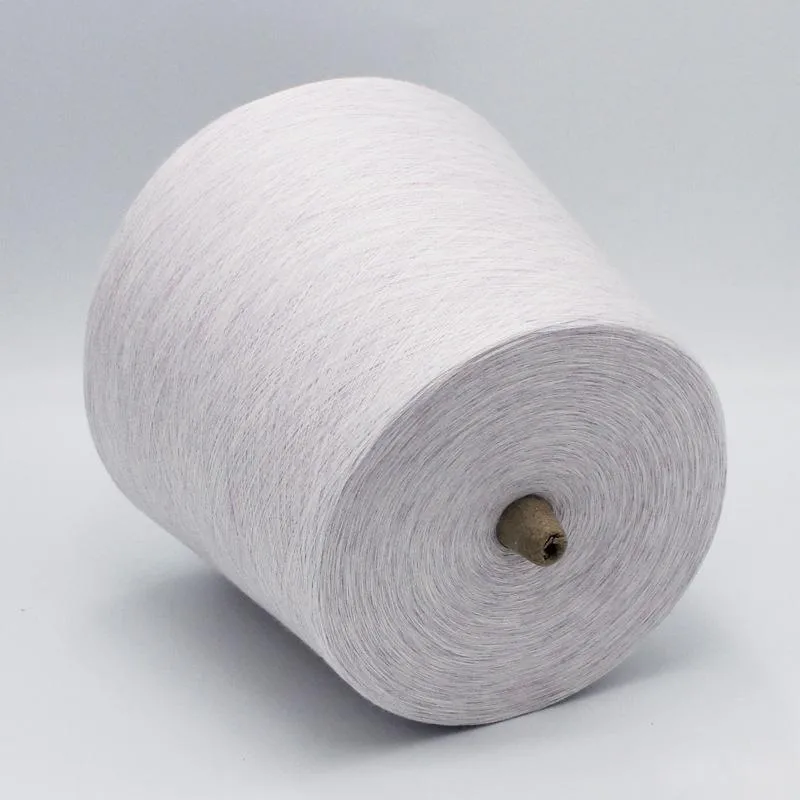
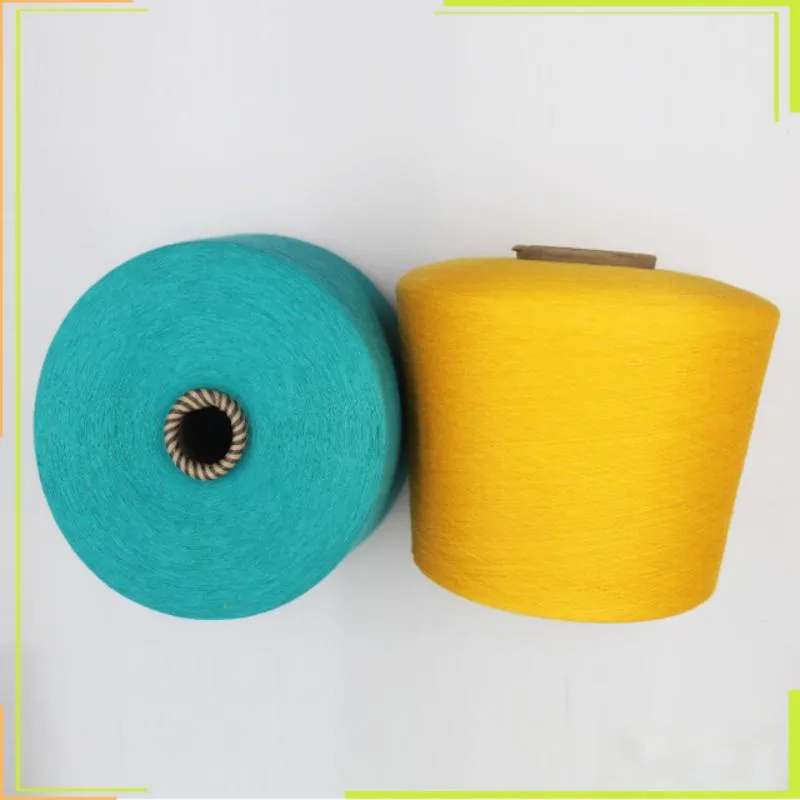
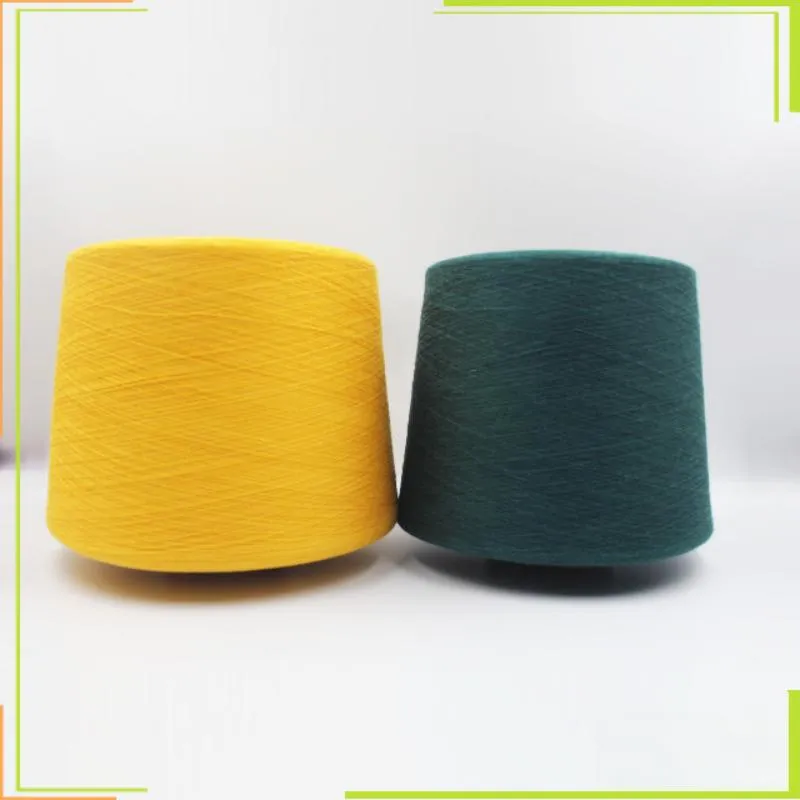
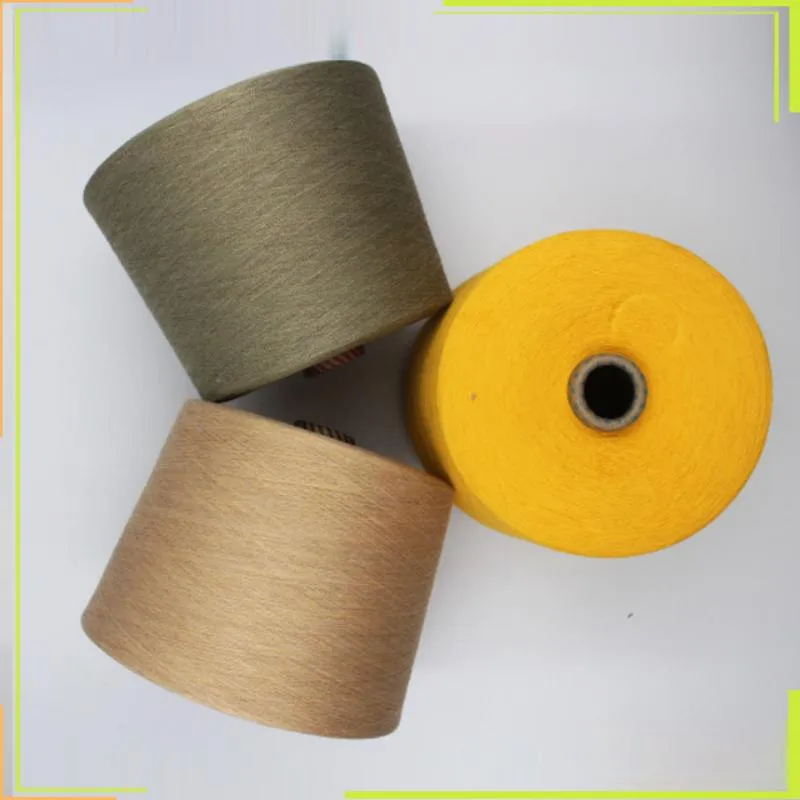
Antibacterial moisturizing sock yarn for spring-summer sock production, spun as a 32s compact-spun tube yarn from 20% cotton, 30% viscose, and 50% polyester.
- Spinning process: Compact spinning
- Yarn count: 32s
- Fiber composition: 20% cotton, 30% viscose, 50% polyester
- Yarn form: Tube yarn
- MOQ: 5,000 kg
- Packaging: Carton packing
Antibacterial Moisturizing Sock Yarn for Wholesale Programs
Most spring-summer sock programs stall the same way: the yarn won’t knit stably, the next batch drifts from the approved sample, or replenishment arrives late. This antibacterial moisturizing sock yarn was developed around those three problems. We spin it as a 32s compact-spun tube yarn from 20% cotton, 30% viscose, and 50% polyester. The hand feel stays soft enough for a daily sock. Strength holds up on high-speed machines. And lot records travel with every order, so a repeat run looks like the first one.
The structure is compact-spun. That is the main reason it runs cleaner than a conventional ring yarn on 18G sock machines. After sample approval, bulk production follows the same approved reference, so there is less drift between lots. If shade or tension drift has cost you time on past programs, this is the difference it makes in practice.
This yarn belongs to our skin-care moisturizing yarn range. It is the workhorse of that line. Not the softest option, not the cheapest, but dependable in long runs and built for repeat orders.
Why Sock Mills Buy from VI-TEX
VI-TEX has been developing functional yarns since 2003. We run two production and R&D bases in China, and our Japan and Vietnam teams handle orders for buyers outside the country. In practice, that means sample approval comes first, then lot mapping, then pre-shipment checks against your approved reference. A buyer who approves a sample can hold us to that standard on every later lot.
Technical Specifications of Antibacterial Moisturizing Sock Yarn
| Item | Specification | Buyer note |
|---|---|---|
| Product type | Antibacterial moisturizing sock yarn | For spring-summer sock programs |
| Spinning process | Compact spinning | Runs cleaner than ring-spun yarn |
| Yarn count | 32s | Common for medium-fine sock structures |
| Fiber composition | 20% cotton / 30% viscose / 50% polyester | Cotton and viscose for feel, polyester for strength |
| Yarn form | Tube yarn | Fits standard sock mill handling |
| Linear density | 11-20 tex | Confirm on your own machine during pilot |
| Ply | 1 ply | Check against your target sock structure |
| Twist | 690 | Use the approved sample as the bulk benchmark |
| Reference gauge | 18G | Pilot test before bulk release |
How This Yarn Compares
| Yarn | Spinning | Focus | On the machine | What that means for you |
|---|---|---|---|---|
| This product | 32s compact-spun tube yarn, 20/30/50 blend | Antibacterial + moisturizing | Stable in long runs | Less downtime, easier repeat orders |
| Standard ring-spun blend | Conventional ring spinning | Basic comfort | Fine in normal runs | Ask for lot-to-lot CV data before you commit |
| High-viscose soft blend | Soft-touch formula | Softest hand feel | Needs careful process windows | Allow extra pilot time for machine settings |
Lead Time, MOQ, and Cost Planning
| Policy item | Current status | Planning impact |
|---|---|---|
| MOQ | 5,000 kg | Enough volume for a clean production run |
| Lead time | Up to 30-day dispatch window (by order status) | Color approval and quantity drive the final timeline |
| Main cost drivers | Volume, color complexity, technical file scope, packing mode | Lock the spec early and you skip a second requoting round |
| Sampling | Pre-production sample available | Lets you verify before bulk, so first orders carry less risk |
One rule saves most buyers a week or more: lock shade approval early. Send the color plan and your target market with the RFQ, and we come back with a firm dispatch window. Packing is 25 kg per carton or 25 kg per plastic bag, per PO. Shipments leave from Jiaxing, Zhejiang, China, with marks and lot labels set to your warehouse format. Once a packing setting is approved, we keep using it on repeat orders unless you tell us to change it.
Certifications and QC
We can provide ISO 9001 and OEKO-TEX STANDARD 100 documents by project scope; GRS and GRS TC are available for certified orders. Claim scope differs by market, so we build the technical file around your target market. Confirm the file scope at RFQ stage. If a shipment is delayed, the missing document is usually the reason, not the yarn itself.
On the quality side, three controls run on every repeat order. We lock approved sample parameters before bulk. Lot traceability runs from spinning to shipment. Pre-shipment checks go against the reference you approved. Repeat orders look like the approved sample, and disputes stay rare. Before ordering, run your own basic checks against the approved sample, and we will share the reference data you need. For the test methods behind antibacterial claims, start with our guide to ISO 20743 vs AATCC 100. Fix your acceptance limits only after checking the relevant antibacterial yarn standards.
Sampling and Claims
Sampling flow
- Confirm sock type, gauge, hand feel, and compliance target.
- Approve the sample and the confirmation sheet.
- Run pilot knitting and send us feedback.
- Lock the sample and start the bulk schedule.
Claim handling
- Send the lot number, affected quantity, and defect evidence.
- We cross-check retained references and shipment records.
- The case closes with corrective action under the terms we agreed.
Technical FAQ
Does this antibacterial moisturizing sock yarn keep its function after finishing?
The yarn targets antibacterial and moisturizing performance, but finishing decides the final result. Before bulk, agree on one test standard so both sides are reading the same number. Our guide to judging antibacterial yarn quality lists five tests that separate a real claim from a marketing one.
Which tests should import buyers request first?
Destination-market compliance first, then the claim-related tests, then your QA team’s routine yarn tests. This is a polyester-viscose antibacterial yarn, so run it through the same checks. Our antibacterial yarn test report guide shows what a complete report should include.
Is this cotton viscose polyester sock yarn suitable for high-speed sock machines?
Yes, for most programs. Machines differ, so run a pilot first and set tension, feed, and finishing on your own line. The 690 twist and 18G figures above are references: they get you close, but your pilot is the real answer.
Can MOQ be split by color?
This yarn starts at 5,000 kg. Whether the MOQ can split by color depends on shade complexity and how the order is structured. Send the color plan with your RFQ and we’ll confirm.
How should we plan lead time?
Work backwards from quantity, shade count, and approval speed. Shade approval is the step that protects your bulk date, so lock it early. The dispatch window can run up to 30 days depending on order status.
Can you support custom color and hand-feel adjustment?
Both, yes. Timeline and MOQ move with how deep the customization goes. One tip from our side: agree the reference hand-feel sample up front, and custom sock yarn programs run faster that way.
Related products
-

Silk Linen Blend Dyed Yarn 32S/1 for Breathable Spring and Summer Knitting
-

Viscose Nylon Boucle Yarn 1/26 (70/30) for Soft, Skin-Friendly Knitwear
-

32s Bamboo Cotton Yarn | 80/20 Cone Yarn for Sock Mills
-

Cooling Antibacterial Sock Yarn | 32s Silk-Linen Blend for Summer Socks
-

Heat Generating Brushed Yarn for Socks | 13S Cone Yarn
-

Combed Cotton Modal Yarn 50/50 21S 32S Stock Yarn for Textile Knitting
-

10% Wool 90% Acrylic Blended Yarn | 1/52 Nm Cone Yarn
-

Cotton Linen Blend Sock Yarn for Soft, Skin-Friendly Socks