WhatsApp : (+86) 19058080181 Email : info@vi-tex.com


Viscose Nylon Boucle Yarn 1/26 (70/30) for Soft, Skin-Friendly Knitwear
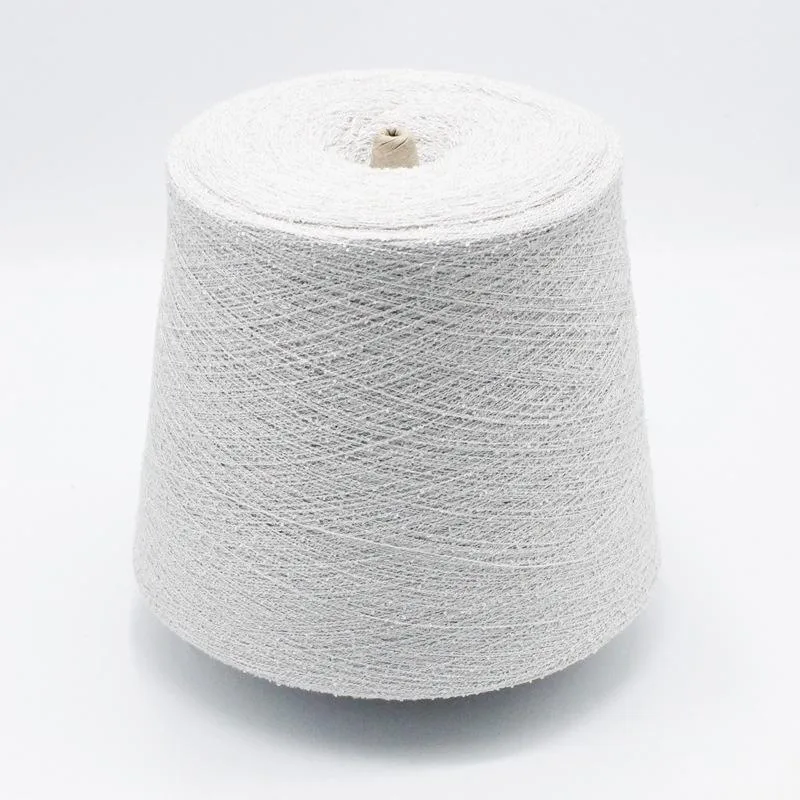
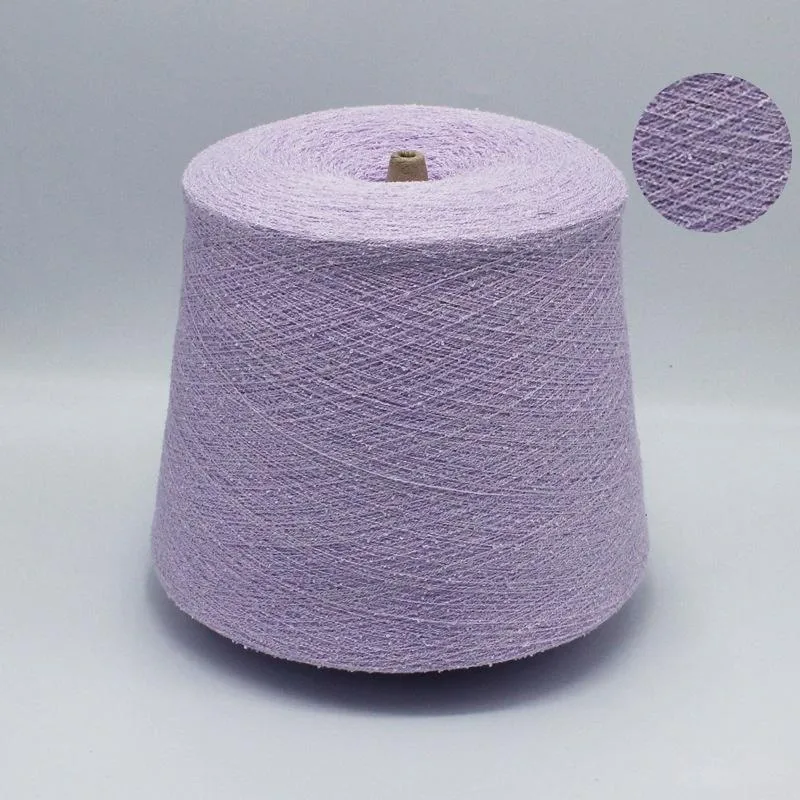
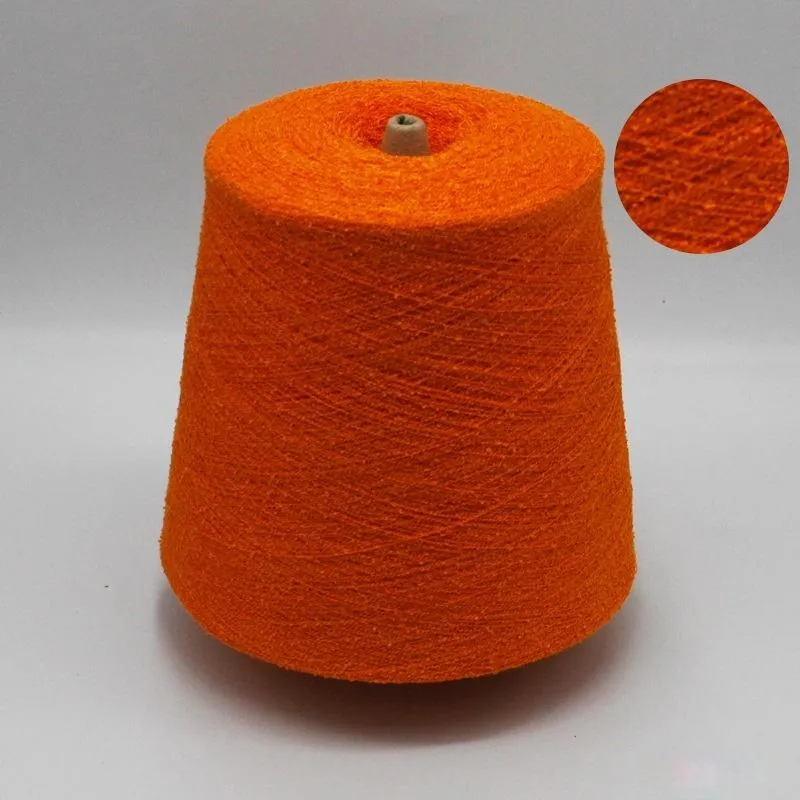
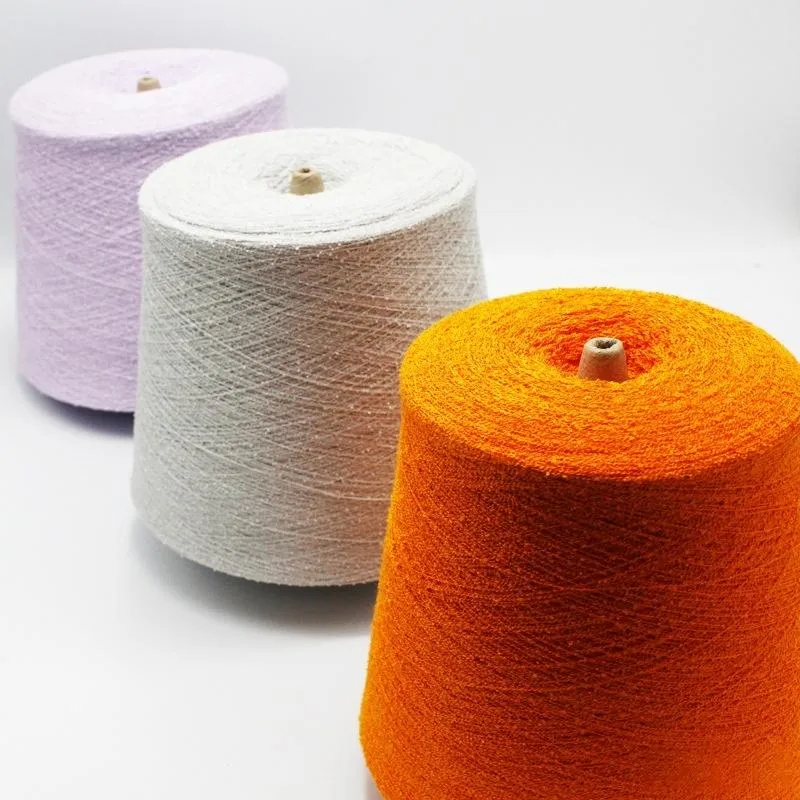
This viscose nylon boucle yarn combines 70% viscose and 30% nylon in a 1/26 count for soft-touch, texture-led knitwear. Its loop structure creates a visible boucle surface for sweaters, scarves, accessories, and other fashion knits.
- Product Type: Loop fancy yarn / boucle yarn
- Spinning Process: Compact spinning
- Yarn Count: 1/26
- Fiber Composition: 70% Viscose / 30% Nylon
- Yarn Form: Cone yarn
- Applications: Sweaters, scarves, soft-touch accessories, and texture-led knitwear
- Color: Custom color card matching
- Minimum Order Quantity: 5,000 kg
- Packaging: Carton packing
Viscose Nylon Boucle Yarn for Soft-Touch Knitwear
Judge the soft hand and boucle surface on the finished fabric, not on the yarn cone alone. This viscose nylon boucle yarn combines 70% viscose with 30% nylon in a 1/26 count. Mills use it for sweaters, scarves, soft-touch accessories, and other knitted products where surface texture forms part of the design.
The looped construction gives the yarn a different character from conventional smooth yarn. While the cone shows its color and general structure, knitting and finishing reveal the final loop definition. Gauge, stitch length, feeder tension, and finishing can all change the appearance and hand feel.
Product Specifications
| Product Type | Loop fancy yarn / boucle yarn |
|---|---|
| Fiber Composition | 70% Viscose / 30% Nylon |
| Yarn Count | 1/26 |
| Spinning Process | Compact spinning |
| Yarn Form | Cone yarn |
| Color | Custom color card matching |
| Minimum Order Quantity | 5,000 kg |
| Packaging | Carton packing |
How the 70/30 Blend Affects the Fabric
Viscose makes up 70% of the blend and gives the knitted fabric a softer, more fluid touch. Nylon forms the remaining 30% and supports the yarn body during handling and knitting. The blend suits projects that need a visible boucle effect with the soft character expected from viscose-rich knitwear.
Because the yarn carries its own decorative structure, designers can create surface depth without relying only on printing or heavy finishing. The knit construction controls how clearly the fabric shows the loops. A dense structure may compress them, while a more open structure may display them more clearly.
Production Points to Check
Boucle yarn places different demands on a knitting line than smooth yarn. Mills most often need to control loop appearance, yarn-path friction, cone unwinding, and the hand feel after finishing.
- Loop appearance: Uneven tension can flatten the surface or create visible differences across the fabric.
- Cone unwinding: Smooth unwinding helps the yarn travel through the feeder without sudden pulling.
- Guide condition: Worn or rough guides can catch the loop structure and increase breakage.
- Finished hand feel: Dyeing, washing, brushing, and other finishing processes can change the softness seen in the first trial.
- Shade consistency: Review color on knitted fabric under the light source agreed with the buyer.
The 1/26 specification gives the development team a clear starting point. Run a trial on the planned machine, gauge, and finishing route before confirming bulk production.
Recommended Applications
This 1/26 viscose nylon boucle yarn works best in knitted products that use texture as a visible design feature.
- Sweaters and cardigans
- Scarves and knitted accessories
- Soft-touch fashion knitwear
- Texture-led knitted panels
- Selected skin-contact products after finished-fabric approval
For example, a sweater may need clear loop definition across a large fabric area, while a scarf may place more emphasis on drape and touch. Sample each application separately because another stitch structure can change how the same yarn looks and feels.
Buyers comparing different textured constructions can read our article on how loop yarn differs from chenille and slub yarn.
Sample Knitting and Machine Setup
Run the first trial on the same machine type and gauge planned for the final product. Record the feeder tension, stitch length, yarn path, and cone behavior so the team can compare later samples under the same conditions.
If breakage repeatedly occurs at one position, inspect the guide and contact point before changing the full machine setting. A worn guide, sharp edge, or sudden tension peak may damage the loop structure. If the loops appear flat, review the feeder tension and stitch length instead of judging the yarn only by its count.
Let the knitted sample relax before reviewing the surface. When the final product includes dyeing, washing, brushing, or another finishing process, send the approval sample through the same route. Once the team accepts the sample, keep it as the reference for texture, shade, and hand feel.
Color Approval
Approve custom colors on knitted and finished fabric. A cone sample cannot always show how the shade will appear after the loops open in the knitted structure.
Check the swatch under the light source agreed with the buyer. Keep the accepted swatch and color reference so the inspection team can compare them with the bulk lot.
Bulk Order Confirmation
Before releasing the purchase order, place the main requirements on one approval sheet:
- 1/26 yarn count
- 70% viscose / 30% nylon composition
- Color-card code or accepted shade reference
- Required loop appearance and hand feel
- Machine type and gauge used for the trial
- Order quantity and order split
- Packaging requirements
- Requested delivery window
The current page lists a minimum order quantity of 5,000 kg and carton packing. Confirm the MOQ, production timing, packaging details, and current technical data sheet with each quotation.
FAQ About Viscose Nylon Boucle Yarn
Where can I source 1/26 viscose nylon boucle yarn?
VI-TEX supplies 1/26 boucle yarn made with 70% viscose and 30% nylon for commercial textile development. Send the required color, quantity, end use, and delivery window when requesting a quotation.
Which products suit this yarn?
Mills use this yarn for sweaters, scarves, soft-touch accessories, and other texture-led knitted products. Test it in the intended stitch structure before starting bulk production.
Can mills run it on flat or circular knitting machines?
Mills can trial the yarn on compatible flat or circular knitting equipment. Yarn count alone does not determine machine suitability. Gauge, feeder tension, stitch length, yarn path, and the required loop volume also affect the result.
How can mills reduce yarn breakage?
Check cone unwinding, yarn-path friction, guide condition, and sudden changes in feeder tension. Repeated breaks at one contact point often indicate a worn guide, rough surface, or local machine issue.
How can buyers control loop appearance between lots?
Keep an accepted fabric swatch and record the machine settings used for the trial. Compare each repeat lot with the same texture, shade, and finished-fabric reference.
Does the 70/30 blend suit skin-contact knitwear?
The blend suits soft-touch knitwear and selected skin-contact products. Use the finished fabric and any compliance tests that the destination market requires as the approval standard.
How should buyers approve color?
Approve the color on a knitted and finished swatch under the agreed light source. Retain the accepted swatch so the inspection team can use it during bulk comparison.
Related products
-

Silk Linen Blend Dyed Yarn 32S/1 for Breathable Spring and Summer Knitting
-

Soft Loop Wool Blend Yarn (13s Compact Siro) for Autumn/Winter Socks & Knitwear
-

32s Bamboo Cotton Yarn | 80/20 Cone Yarn for Sock Mills
-

30s Linen Polyester Blended Yarn | 85/15 Compact 30/1 Color Yarn
-

Cooling Antibacterial Sock Yarn | 32s Silk-Linen Blend for Summer Socks
-

Heat Generating Brushed Yarn for Socks | 13S Cone Yarn
-

Combed Cotton Modal Yarn 50/50 21S 32S Stock Yarn for Textile Knitting
-

65/35 Polyester Cotton TC Yarn 32/1 – Fancy Dyed Pattern Yarn for Knitting and Weaving