WhatsApp : (+86) 19058080181 Email : info@vi-tex.com


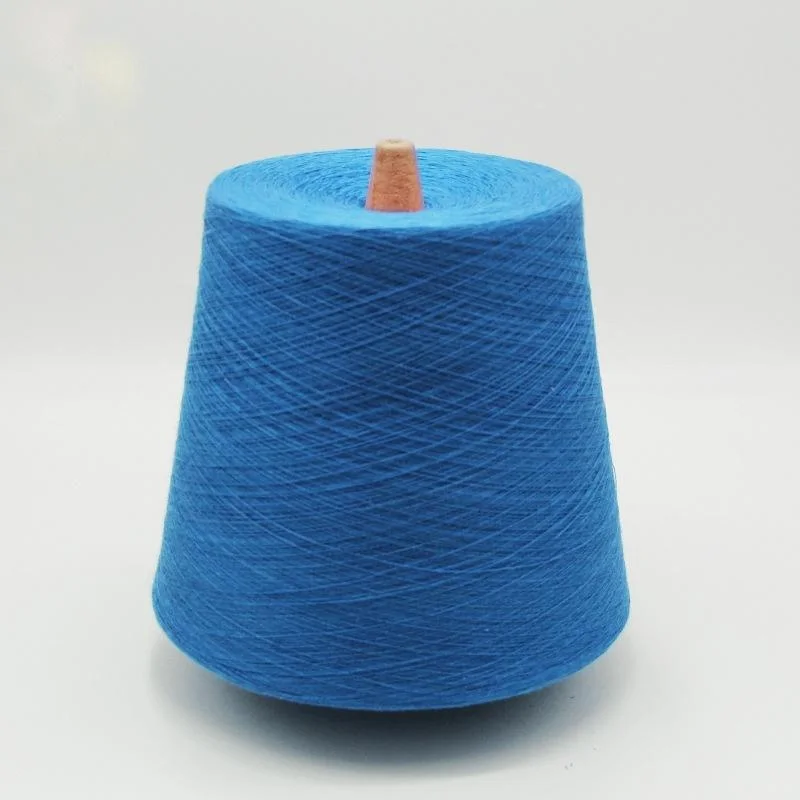
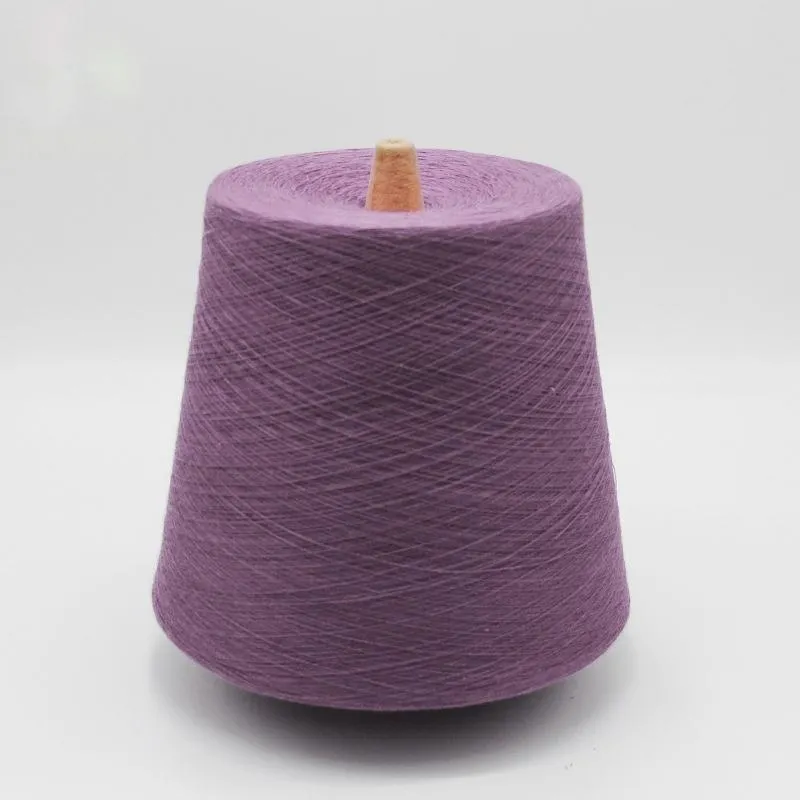
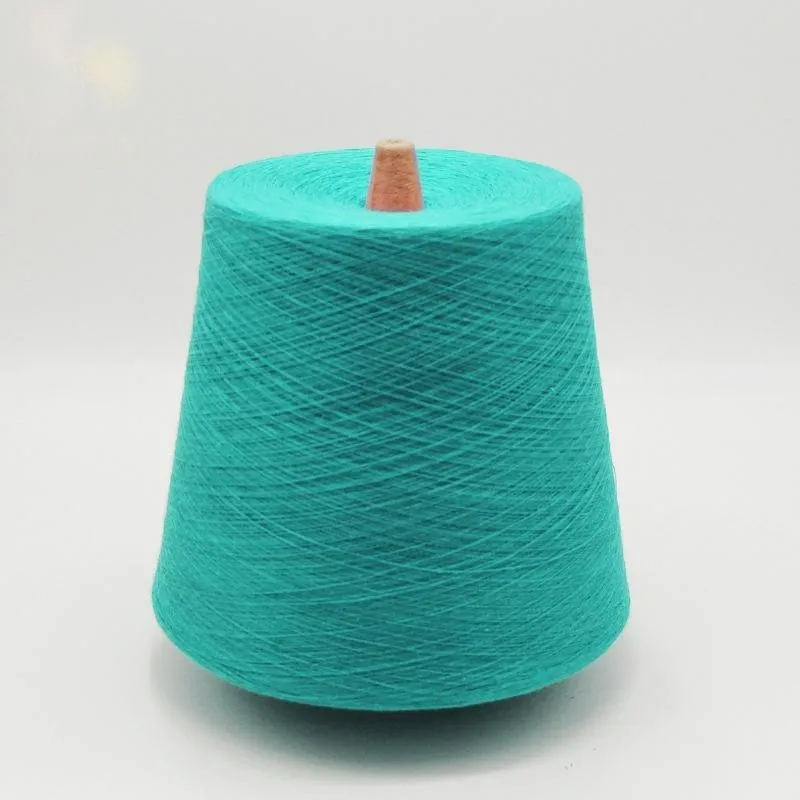
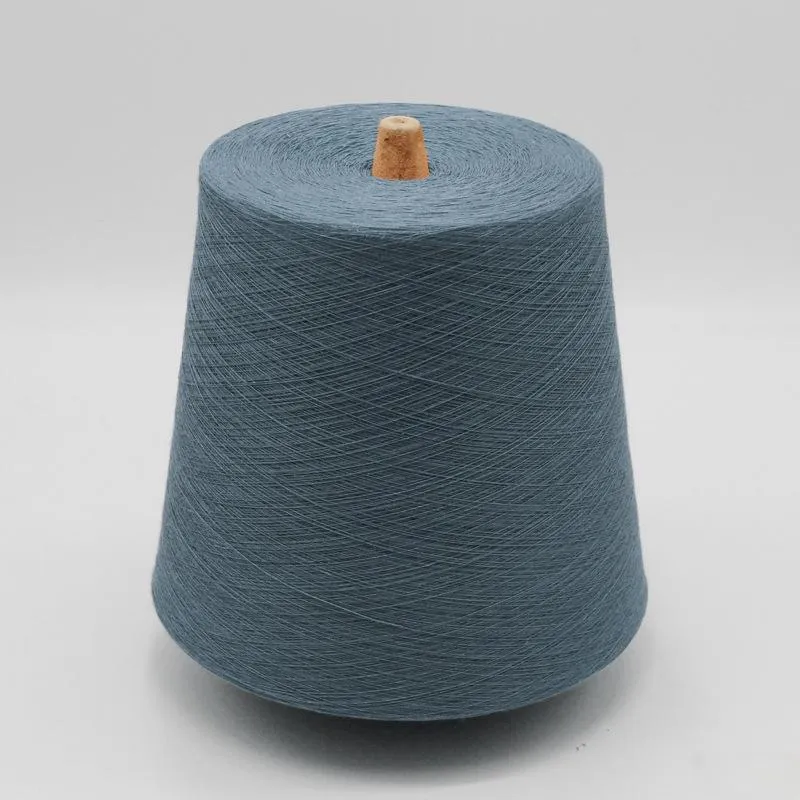
Anti-Pilling Cool Sock Yarn (32s/1) for Spring/Summer Socks
Anti-pilling cool sock yarn (32s/1) supports spring/summer sock lines that need a cooler handfeel and fewer pilling-related returns. Therefore, this viscose/nylon blended sock yarn fits warm-season programs where comfort and wear stability both matter.
- Spinning Process: Confirm on inquiry (ring/compact/siro, etc.).
- Yarn Count: 32s/1 (1-ply); twist 600; linear density 11–20 tex.
- Fiber Composition: Viscose 55% / Nylon 45% (per product info).
- Yarn Form: 32s/1 dyed sock yarn on cone; colors available on request.
- Minimum Order Quantity (MOQ): 5000 kg (listed).
- Packaging: Carton; unit weight 1000 g (listed).
Anti-pilling cool sock yarn is built for spring/summer sock programs that must cut pilling complaints without sacrificing comfort. Therefore, this viscose/nylon blended sock yarn focuses on a cooler handfeel and more stable wear performance for bulk production.
Anti-Pilling Cool Sock Yarn Specs & Options (Quick Snapshot)
- Yarn form: dyed cone yarn (colors on request)
- Fiber composition: viscose/nylon blend (viscose 55% / nylon 45% per product info)
- Yarn count: 32s/1 (1-ply)
- Gauge (listed): 18G
- Twist (listed): 600
- Linear density (listed): 11–20 tex
- MOQ (listed): 5000 kg
- Packaging (listed): carton; unit weight 1000 g
Fast RFQ tip: Send your target sock style, color count, and pilling test method. As a result, we can quote and confirm the control points faster.
1) Anti-Pilling Cool Sock Yarn: Pros & Cons vs Similar Yarn Options
| Option | Advantages | Limits / Claim Risk | Procurement Fit |
|---|---|---|---|
| 100% Cotton sock yarn | Familiar feel; common supply | Pilling/fuzz can trigger returns; warm-season comfort may drop | Basic programs where claims are manageable |
| 100% Viscose yarn | Soft hand; often feels cooler in summer wear | Lower abrasion strength; higher breakage risk at higher knitting speeds | Soft-touch styles with strict process control |
| Nylon-heavy yarn | Strength and abrasion support | Comfort and “cool-feel” depend on construction and finishing | Durability-first socks |
| Standard viscose/nylon blended sock yarn | Balanced comfort + strength | Quality varies by lot; shade mismatch and pilling disputes still happen | Mid-range lines with basic incoming QC |
| Anti-pilling cool sock yarn (this item, 32s/1) | Blend targets warm-season comfort while nylon supports wear performance; listed twist helps limit surface fuzz in many constructions | Pilling outcome still depends on knit density and finishing; qualify by fabric testing before mass production | Spring/summer sock yarn where you want fewer pilling complaints |
2) Why Choose Us
Wholesale buyers do not buy “yarn only.” They buy repeatable results. Therefore, we run an order workflow that reduces the most common disputes: pilling claims, shade mismatch, and delivery misunderstandings.
- Spec-first confirmation: we confirm yarn count, blend ratio, twist, and your target application before you lock the PO.
- Shade approval workflow: we align a shade reference before bulk (dyed color sock yarn is available on request).
- Batch/lot clarity: we recommend batch/lot marking on cartons to reduce warehouse picking errors and mixed-lot shade risk.
- Proof package for buyers: we can prepare packing list + carton marks + pre-shipment photo pack; optional third-party inspection helps when your program is claim-sensitive.
- Schedule transparency: the listed dispatch promise is 30 days; we align your timeline early so you avoid last-minute production gaps.
Result: you spend less time on after-sales arguments, and you protect your margin on summer launches.
3) Anti-Pilling Cool Sock Yarn Parameters
| Product | 32s/1 dyed sock yarn on cone (spring/summer sock yarn) |
| Fiber composition | Viscose 55% / Nylon 45% |
| Yarn count | 32s/1 |
| Ply | 1-ply |
| Gauge (listed) | 18G |
| Twist (listed) | 600 |
| Linear density (listed) | 11–20 tex |
| Color | Dyed color sock yarn; specific shades confirmed on request |
4) Wholesale Policy & Price
| Commercial Item | Current Reference | What to confirm (avoid disputes) |
|---|---|---|
| MOQ | 5000 kg | MOQ per color, and whether split shipments are allowed |
| Lead time / dispatch | 30-day dispatch promise | Start date definition (PO/PI date), shipping cut-off, and peak-season planning |
| Price | Quote on request | Price drivers: color count, shade matching level, testing/inspection needs, packaging, and required delivery window |
| Sampling | Confirm on request | Ask for: sample availability, sample lead time, and approval method (fabric/sock test) |
Urgency note: spring/summer programs have fixed launch windows. Therefore, confirm your shade and pilling standard early to protect your production schedule.
5) Packaging & Logistics
- Packaging (listed): carton packaging.
- Unit weight (listed): 1000 g.
- Warehouse-friendly receiving: mark cartons with yarn count, color code, and batch/lot for fast inbound checks.
- Shipping planning: confirm carton dimensions, total CBM, and required incoterms at quotation stage to avoid cost surprises.
6) Certifications & Patents
This page does not claim specific certifications or patents for the anti-pilling cool sock yarn. If your buyer requires compliance documents (restricted substances, brand standards, or third-party test reports), share the required standard first. Then we can confirm the documentation path before mass production.
7) FAQ
Q1: How should I qualify anti-pilling cool sock yarn before I place a bulk PO?
A: Start with the test method and acceptance level. Then knit a trial on your real machine settings and finishing route. After that, freeze the approved sample as the production standard. This sequence prevents “test method” disputes later.
Q2: What factors drive pilling results the most?
A: Yarn hairiness, twist stability, knit density, and finishing drive most outcomes. For example, fabric density and finishing can change pilling performance more than buyers expect. Therefore, evaluate pilling on the finished sock or fabric, not on yarn appearance alone.
Q3: Why choose a viscose nylon blended sock yarn for spring/summer socks?
A: Viscose often supports a softer, cooler handfeel. Nylon supports strength and wear performance. As a result, the blend can balance comfort and durability better than many single-fiber options.
Q4: The spec shows 32s/1, twist 600, and 11–20 tex. How do I use these in procurement?
A: Use yarn count (32s/1) as the primary commercial spec. Then use twist and tex range as supporting controls for process stability and knitting setup. Therefore, your incoming inspection becomes faster and clearer.
Q5: Can I order specific dyed color sock yarn shades?
A: Yes. Colors are available on request. Therefore, approve a shade reference before bulk, and avoid mixing lots when shade consistency matters.
Q6: How do I reduce breakage risk on high-speed sock machines?
A: Run a short machine trial first. Then tune tension, feeder settings, and needle selection around your fabric target. As a result, you lock stable parameters before you commit to volume.
Q7: What should I lock in the PO to reduce claims?
A: Lock composition, yarn count, twist, packaging, unit weight, MOQ, lead-time definition, and your test method. Therefore, both sides work against the same written standard.
Ready to quote? Send your target application, color count, and testing requirement. We will respond with an RFQ-ready proposal for anti-pilling cool sock yarn.
Related products
-

Lyocell Silk Blended Yarn 30/1 – Cool-Touch Dyed Cone Yarn for Knitting
-

Premium CoolSilk Yarn: Advanced Moisture-Wicking, Quick-Dry Technology with Refreshing Cool Sensation for Ultimate Comfort
-

32S Nylon Viscose Blended Sock Yarn — Cool-Feel, Breathable, Anti-Pilling
-

SOCOOL Premium Cooling Nylon Yarn – Instant Contact Cooling Functional Fiber
-

MVS Cooling Cotton Yarn — 100% Combed Cotton, Compact-Spun, Anti-Pilling
-

Cooling Lyocell–Silk Blended Yarn – Anti-Pilling Colored Yarn
-

COOLMOON Premium Cooling Yarn
-

Cooling Sock Yarn 30s (Mulberry Silk Blend) for Premium Sock Knitting