32s Combed Cotton Yarn (Ne 32/1), 100% Cotton Ring Spun Dyed Yarn in 580 Colors
$675
32s combed cotton yarn (Ne 32/1) for knitting and weaving. Ring spun from 100% combed cotton, it gives fabric a soft hand, good moisture absorption and a clean surface, so it works well for close-to-skin products.
This 32s combed cotton yarn is a Ne 32/1 single yarn. We ring spin it from 100% combed cotton and wind it on cones. It comes in natural white and bleached white, and dyed shades are also available from our 580-color card. Knitting and weaving mills use it for light to medium cotton fabrics, such as T-shirts, shirting and baby wear. Combing gives those fabrics a soft hand and an even, clean surface.
32s Combed Cotton Yarn Specifications
Material
100% combed cotton
Yarn Count
Ne 32/1 (32s single yarn)
Count Equivalents
Nm 54, about 18.5 tex or 166 denier
Spinning Method
Conventional ring spinning
Yarn Form
Cone yarn
Use
Knitted products and woven fabrics
Color Options
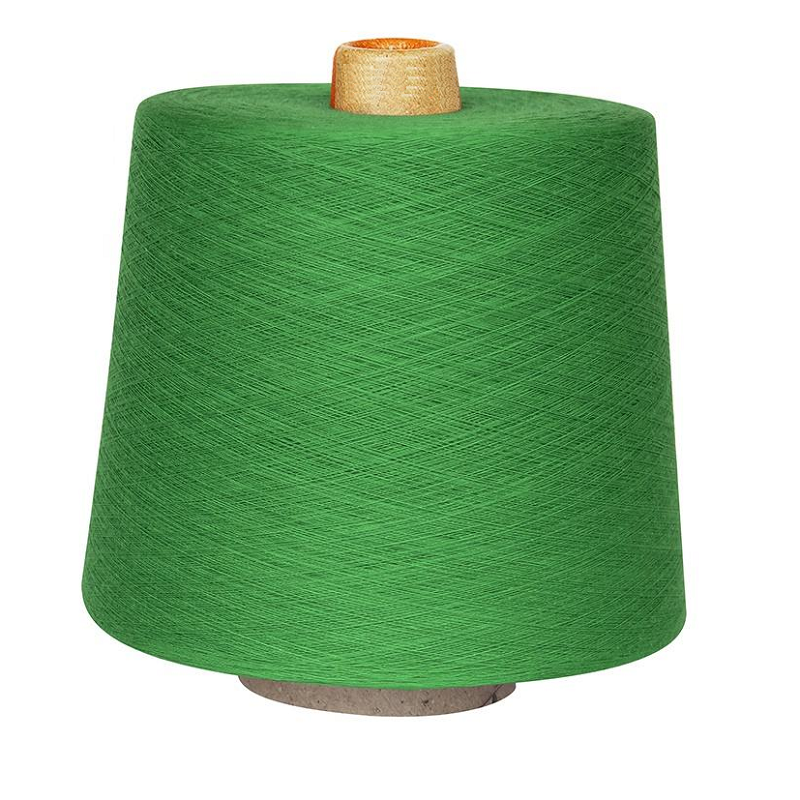
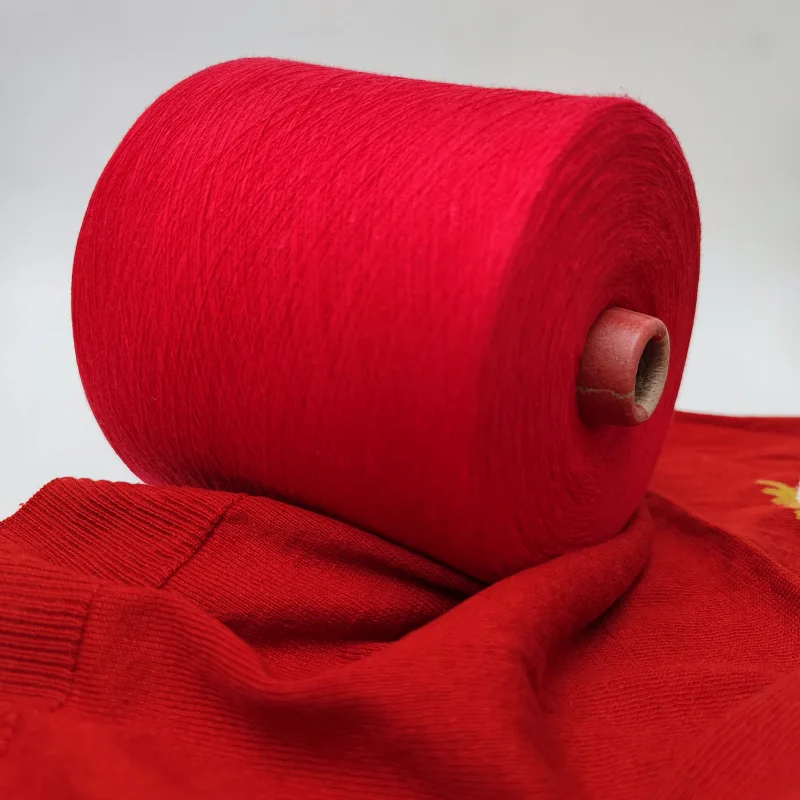
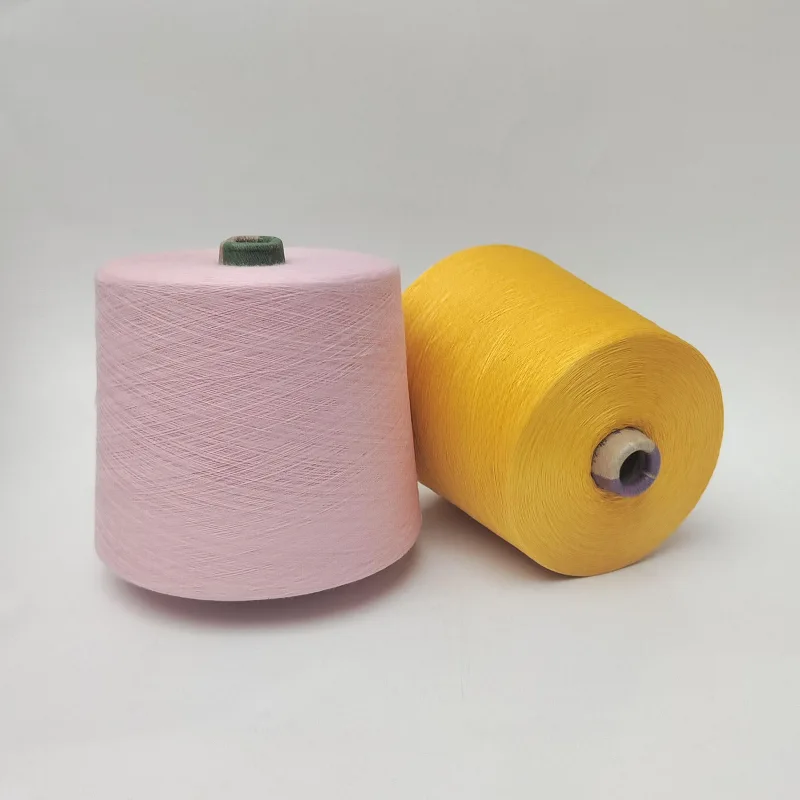
Natural white, bleached white, red, blue, green, yellow, purple, cyan, mixed colors, and custom shades from the 580-color card
Packaging
Carton packing
Lead Time
Stock colors: 1-2 days after order confirmation. Custom colors: usually 3-15 days after confirmation.
What Combing and Ring Spinning Add
Combing removes short fibers and impurities before the cotton reaches the spinning frame. You can see the result on the knitting floor. Mills get less fly around the feeders, cleaner loops and fewer surface defects after dyeing, especially on plain jersey. That link between combing and fabric quality is the focus of our combed yarn guide.
Ring spinning then twists the fibers into a tight, stable strand. That structure lets this 32s combed cotton yarn keep its strength through knitting and weaving. It also helps cut yarn breakage when the machine settings suit the yarn.
Buying the yarn already dyed saves another step. The fabric needs no separate dyeing run, so mills move from yarn sourcing to finished fabric faster.
Key Features
Soft, smooth hand: fewer short fibers sit on the yarn surface, so the fabric feels smoother against the skin.
Clean, even surface: the yarn carries fewer neps and impurities than carded yarn, which keeps plain fabrics looking neat.
Steady running: the tight ring-spun structure helps keep breaks down in regular knitting and weaving.
Breathable and absorbent: cotton’s moisture regain is 8.5%, well above polyester’s 0.4%, which is why cotton feels less clammy.
Two production routes: the same Ne 32/1 count works for knitting as well as weaving, from sampling to bulk.
Flexible color: pick a stock shade, or send us a sample when you need a custom color.
How Fabric Made with 32s Cotton Yarn Feels
Fabric knitted or woven from 32s combed cotton yarn usually feels soft, light and breathable. It is comfortable for daily wear and suits close-to-skin products such as underwear, sleepwear and baby clothes.
Because combing and ring spinning leave fewer loose fibers, the fabric has a smooth face and a neat texture. Color also looks even across the surface. The hand feels more refined than fabric made from ordinary carded yarn of the same count.
Like any cotton, the fabric can shrink in its first washes. When the garment needs tight size control, plan for compacting or pre-shrinking in finishing.
Applications
Since 32s sits in the light-to-medium count range, this combed cotton yarn covers apparel, close-to-skin wear, home textiles and accessories.
Category
Typical Products
Apparel
T-shirts, shirts, tops, dresses and casual wear
Knitwear
Knitted fabrics, pullovers and lightweight sweaters
Woven Fabrics
Shirting, fashion fabrics and other cotton wovens
Close-to-Skin Wear
Underwear, sleepwear, baby wear and loungewear
Accessories
Socks, scarves and soft cotton accessories
Home Textiles
Bedding, pillow fabrics and other soft home textiles
Fashion Collections
Seasonal cotton fabrics and custom-color products
Who Buys This Yarn
Knitting mills use it for cotton knitted fabric, and weaving mills use it when they develop cotton woven fabric. Garment factories buy it for apparel and close-to-skin clothing, while fabric suppliers use it to build cotton fabric collections.
Fashion brands specify it for soft cotton garments and seasonal products. Traders and importers also buy it for resale and bulk orders, especially when they need several colors from one supplier.
Quality Control
Before shipment, we check each lot of 32s combed cotton yarn for evenness, color consistency, softness, strength and surface quality. We do this so the yarn runs smoothly on your knitting, weaving or garment lines.
Dyed cones get an extra check. During dye trials, our team takes yarn from the inner, middle and outer layers of a package. We compare all three under the same light source, because a cone can look right outside and still vary inside. For socks and knitwear, we also knit a small panel, since some shade or tension differences only appear after knitting. For the full method, see package yarn dyeing fundamentals.
Color Matching and Customization
Pick a shade from our 580-color card, or send a sample or color reference when you need a custom color. We then dye a lab dip for your approval before bulk dyeing starts.
At approval, agree on one main light source, such as D65, plus one or two others for metamerism checks. A lab dip can pass in the dyehouse and still fail in the buyer’s office under different lighting. We explain each light source in D65, TL84 and CWF color matching.
Since basic, seasonal and custom shades share one 32s combed cotton yarn, brands can plan a full range on it.
Stock and Supply
In stock colors, this 32s combed cotton yarn ships 1-2 days after order confirmation. Custom colors usually take 3-15 days, although shade, quantity and lab dip approval can change that.
We support sampling, order planning and bulk production. Factory supply also keeps communication short, because your questions go straight to the team that runs production. Before you place an order, we confirm the specification, packing, lead time and shipment details with you.
Questions About This 32s Combed Cotton Yarn
Is this 32s cotton yarn ring spun or compact spun?
It is a conventional ring-spun yarn. If you need lower hairiness and a cleaner face, we also offer a siro compact spun version of this count. Ring yarn keeps a fuller, softer hand and usually costs less, so it suits everyday knits and wovens.
To tell them apart on a cone, untwist a short length by hand. Conventional ring yarn opens up completely, while siro compact yarn separates into two strands.
How does 32s compare with 30s and 40s cotton yarn?
In the Ne system, a higher number means a finer yarn. So 32s sits slightly finer than 30s and clearly coarser than 40s. With the same knit structure, 32s gives a slightly lighter fabric than 30s, while 40s suits thinner, finer fabrics. When you move a 30s jersey to 32s, run a knit test first. The stitch length may need adjusting to hold the same GSM.
Can I order the yarn undyed?
Yes. Natural white and bleached white are both on the color list. Choose one of those when you plan to piece dye or print the fabric later.
Can the same 32s cotton yarn go into knitting and weaving?
Yes, we offer it for both. Knitting yarn generally runs at lower twist than weaving yarn, which needs more strength for loom tension. So tell us the end use when you ask for a quote. For more on twist, strength and evenness, see how knitting yarn differs from weaving yarn.
What should I check before approving a 32s cotton yarn sample?
Ask for the current technical data sheet and check the count and strength figures. Then knit or weave a small swatch on your own machine. Look at the shade under the light source you agreed with us. Finally, confirm the color, packing, lead time and sample terms in writing before bulk production starts.