WhatsApp : (+86) 19058080181 Email : info@vi-tex.com

Peptide Fiber – New Textile Material
What Is Peptide Fiber?
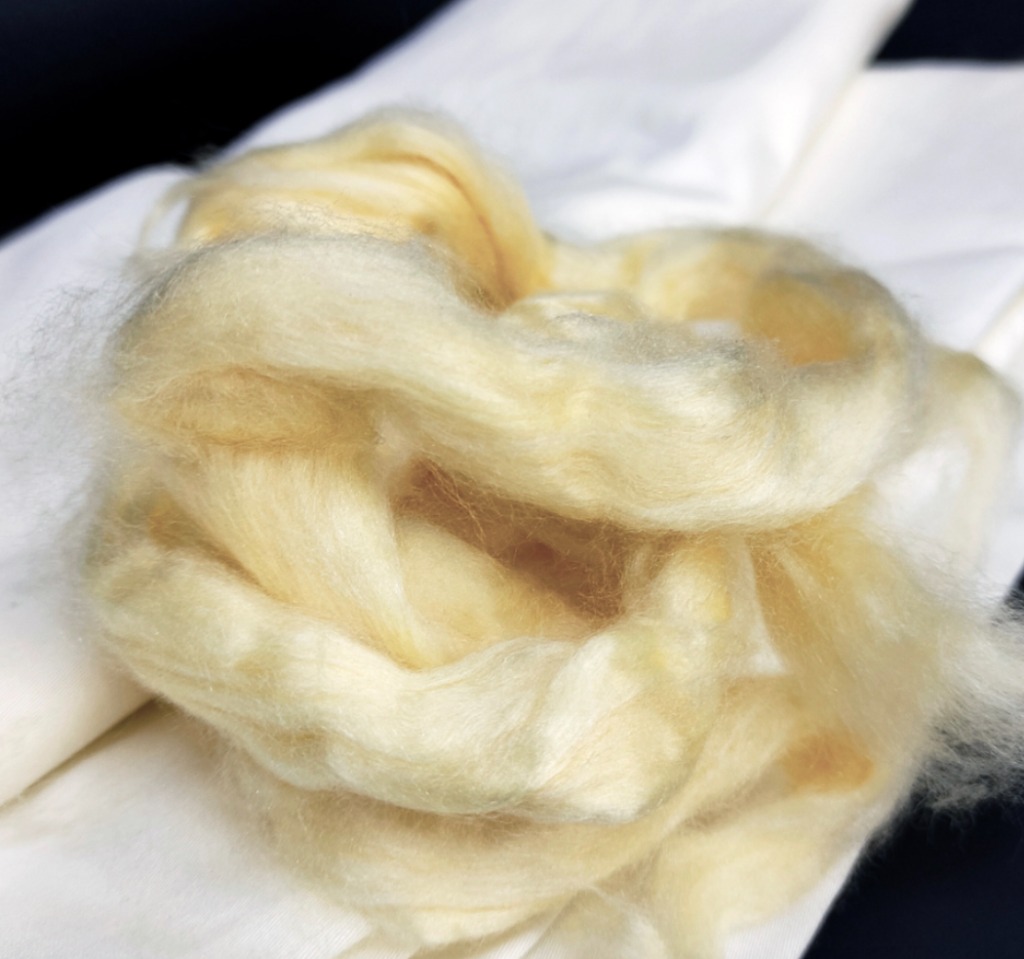
Peptide fiber is a new bio-based artificial protein fiber for textiles. First, it is rich in 18 kinds of amino acids and mainly made from bio-based polyvinyl alcohol and collagen. Moreover, the two raw materials are organically compounded via advanced technical processes, making the fiber eco-friendly and fully biodegradable. Besides, it delivers a soft handfeel comparable to mulberry silk and cashmere. Unlike milk fiber and soybean fiber, peptide fiber boasts the highest protein content among all commercially available artificial fibers on the market.
Organic Raw Materials
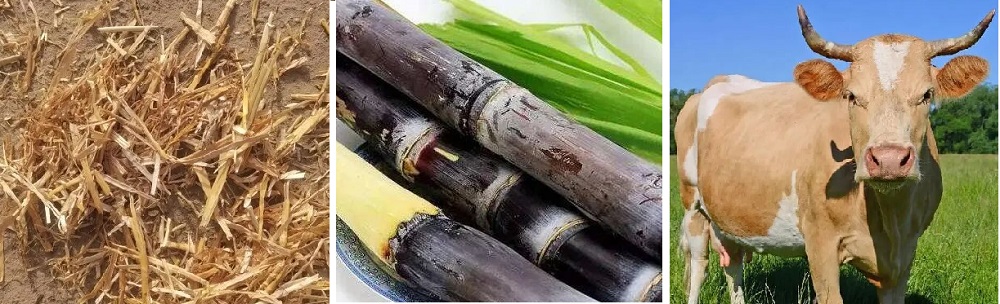
Peptide fiber is primarily produced from bio-based polyvinyl alcohol and collagen. To begin with, bio-based PVA is plant-derived, fermented, decomposed and polymerized from crop straw and molasses leftover from sugar production. Furthermore, it features outstanding biocompatibility and full biodegradability with little environmental impact, and is widely used in medical sutures and dialysis supplies.
In contrast, collagen is a high-molecular polymer extracted from animal protein, mainly processed from pig and cow hides, and possesses superior toughness and elasticity.
y combining these two raw materials, the fiber gains organic feedstock sources. In addition, a series of sophisticated chemical reactions during production build exclusive peptide bond structures, which endow peptide fiber with excellent physical and chemical properties.
Organic Production
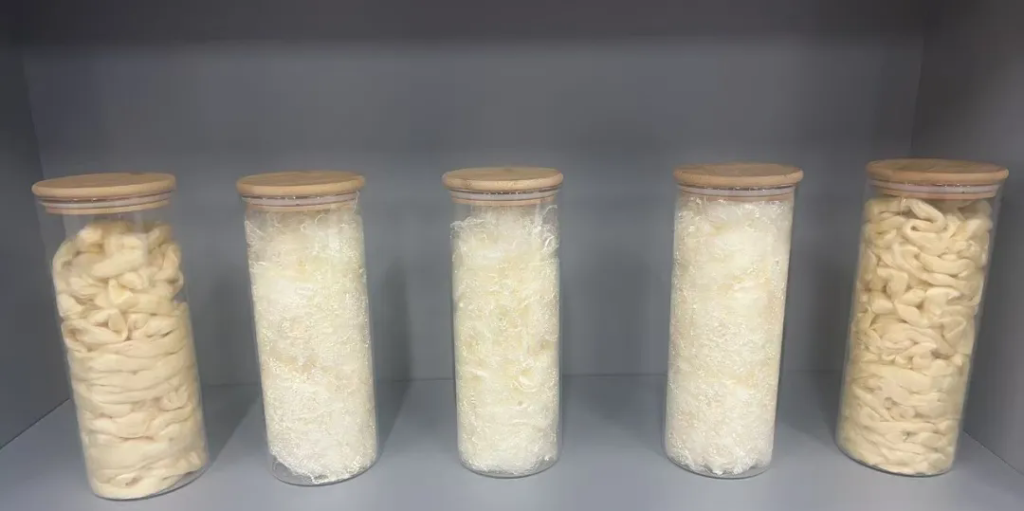
Peptide fiber also prioritizes environmental protection and sustainability throughout its manufacturing with advanced eco-friendly spinning technologies. Besides, pollutant emissions are rigorously regulated to comply with both domestic and international environmental requirements at every production stage.
Specifically, wet spinning is adopted in production. First, the two raw materials undergo hydrolysis to break down collagen into small molecules and collagen peptides before blending with dissolved polyvinyl alcohol. Moreover, only mirabilite is used as the auxiliary agent during spinning, causing zero pollution to the environment.
In comparison, conventional blends of PVA with milk protein or soybean protein require formaldehyde crosslinking treatment. Differently, peptide fiber applies a formaldehyde-free process thanks to the triple-helical long-chain structure of collagen, which wraps around the surface of polyvinyl alcohol. Consequently, the finished fiber is harmless and safe for human contact.
Furthermore, peptide fiber features a natural milky white base color, and plant-based dyeing is available during its production.
Organic Biodegradable