WhatsApp : (+86) 19058080181 Email : info@vi-tex.com


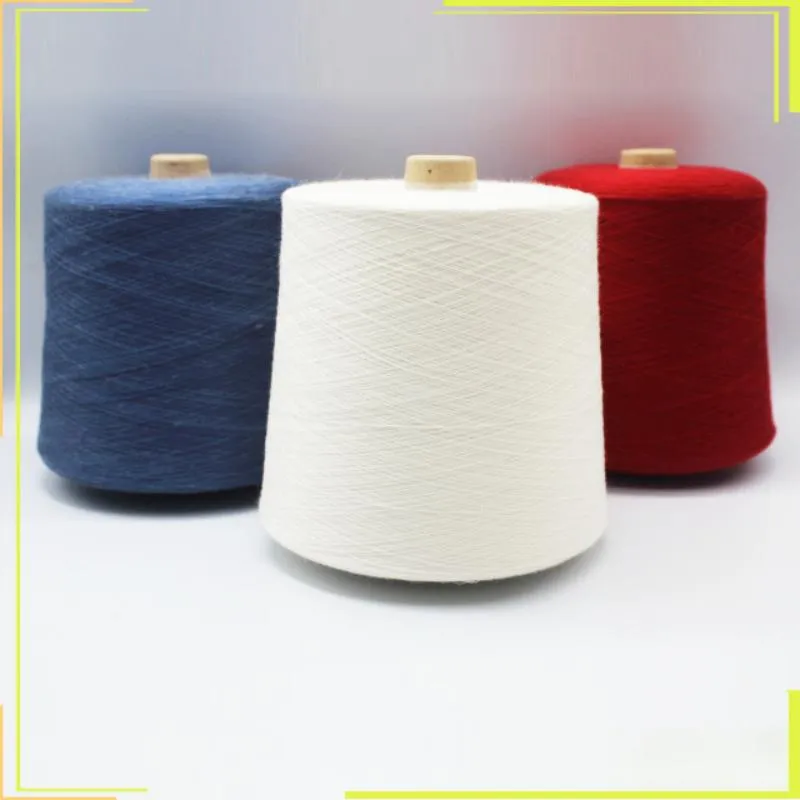

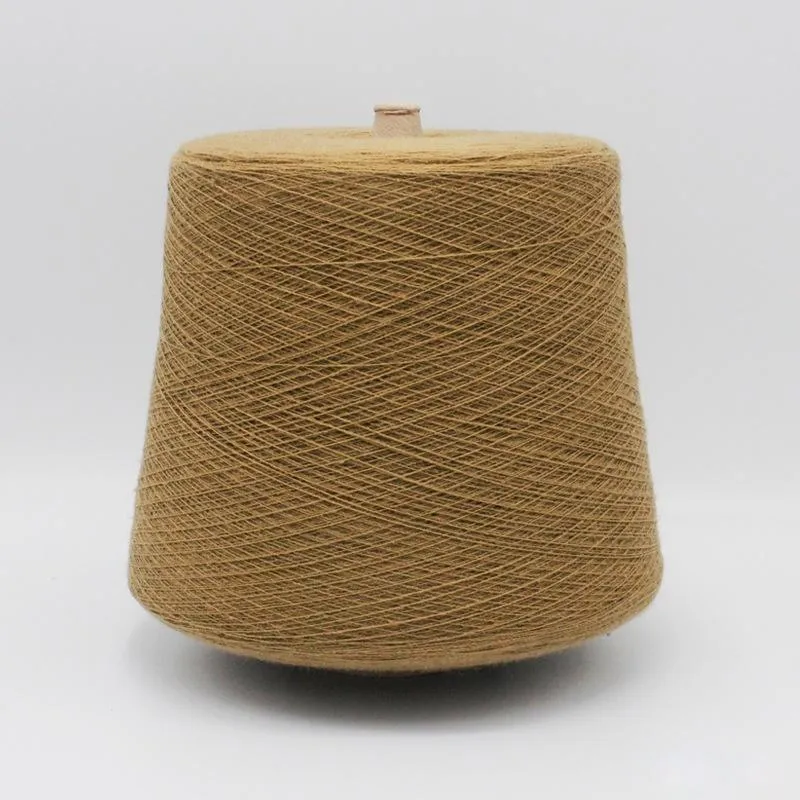
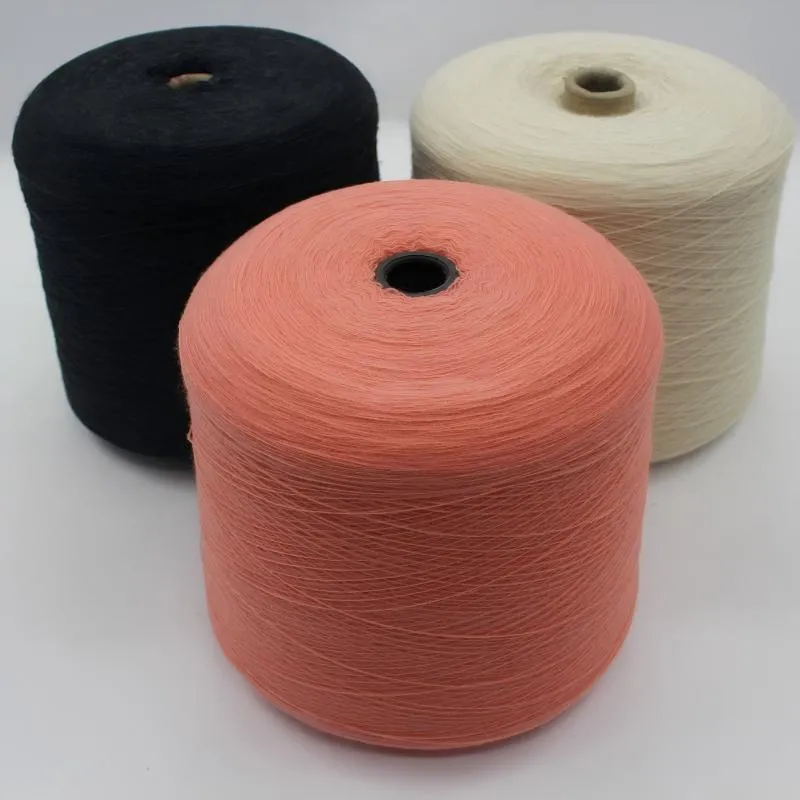
Wool Acrylic Sock Yarn 1/52 (10% Wool 90% Acrylic) for Warm, Soft Winter Socks
Wool acrylic sock yarn in dry-spun 1/52 is built for winter sock programs that need both warmth and softness. The 10% wool / 90% acrylic blend improves thermal comfort and keeps machine running stable, so your team can reduce stoppages and protect delivery schedules.
- Spinning Process: Dry-spun
- Yarn Count: 1/52 (11-20 tex)
- Fiber Composition: 10% Wool, 90% Acrylic
- Yarn Form: Cone yarn (single ply)
- Minimum Order Quantity (MOQ): 5,000 kg
- Packaging: Carton packing
In bulk sock knitting, output usually drops for three reasons: yarn breaks, uneven warmth, and hand-feel inconsistency after finishing. This wool acrylic sock yarn is built to solve those production issues in a practical way. The dry-spun 1/52 structure and 10% wool / 90% acrylic blend help keep socks warm and soft while supporting stable machine running.
Wool Acrylic Sock Yarn: Market Comparison
| Point | Typical Market Yarn | This 1/52 Dry-Spun Blend | Why It Matters |
|---|---|---|---|
| Warmth Stability | Thermal feel can shift from lot to lot. | 10/90 blend keeps winter warmth more consistent. | Fewer complaints after shipment. |
| Soft Hand Feel | Some low-cost blends feel dry after finishing. | Balanced blend gives a softer touch for daily wear socks. | Better repeat order potential. |
| Knitting Continuity | Feeding instability increases stops. | Dry-spun cone yarn runs more smoothly on long shifts. | Higher effective machine hours. |
| Cost vs Performance | Higher wool content raises cost fast. | Keeps warmth and softness with better bulk cost control. | Healthier wholesale margin. |
Why Buyers Keep Reordering This Wool Acrylic Sock Yarn
- Spec lock before bulk: count, composition, and color standard are confirmed before mass production.
- Machine-friendly form: cone yarn supports continuous feeding in sock lines.
- Bulk-ready planning: MOQ starts at 5,000 kg, suitable for program orders.
- Custom color support: easier to align with seasonal sock collections.
- Clear QC flow: receiving checks and lot control reduce claim risk.
Technical Parameters
| Parameter | Value |
|---|---|
| Spinning Process | Dry-spun |
| Yarn Count | 1/52 |
| Linear Density | 11-20 tex |
| Fiber Composition | 10% Wool / 90% Acrylic |
| Ply | 1-ply |
| Twist | 800 |
| Reference Gauge | 18G |
| Yarn Form | Cone yarn |
| MOQ | 5,000 kg |
| Packaging | Carton packing |
Wholesale Policy & Price Logic
| Order Stage | Volume | Quotation Basis | Buyer Benefit |
|---|---|---|---|
| Initial Bulk | 5,000-9,999 kg | Fixed specs + approved colors | Fast qualification |
| Repeat Program | 10,000-29,999 kg | Volume and schedule planning | Better cost stability |
| Seasonal Framework | 30,000+ kg | Forecast-based execution | Priority continuity in peak season |
Main cost drivers are yarn count, color complexity, order volume, and delivery window.
Packaging & Logistics
- Yarn Form: Cone yarn
- Packing: Carton packing
- Reference Unit Weight: 1,500 g (pack data)
- Shipping Origin: Jiaxing, Zhejiang
- Dispatch Framework: 30-day shipment commitment shown on listing
FAQ: Wool Acrylic Sock Yarn for Factory Use
- Is this yarn warm enough for winter socks?
- Yes. The 10% wool content provides thermal touch, and the acrylic part keeps structure stable in production.
- How does 1/52 perform on sock machines?
- It supports clean and stable knitting in regular sock programs. The 18G reference setup in this spec is commonly used for this type of yarn.
- Why does twist matter here?
- Twist affects breakage and feeding behavior directly. A controlled twist helps reduce stop-and-restart during long runs.
- Can we run custom colors for seasonal collections?
- Yes. Custom color development is supported. For repeat orders, lock your approved shade standard early.
- What checks should we do at receiving?
- Check composition, count, color match, cone build, and lot consistency first. This step catches most downstream risks.
- What is the practical first order plan?
- Start from fixed specs and target colors, run pilot production, then expand volume after confirming knitting stability and hand feel.
Related products
-

32s Ramie Cotton Blend Yarn for Spring and Summer Socks
-

Viscose Nylon Boucle Yarn 1/26 (70/30) for Soft, Skin-Friendly Knitwear
-

Water Repellent Sock Yarn 32s for Breathable Spring Summer Socks
-

Four-Color Space Dyed Poly Cotton Yarn 32S for Socks and Lightweight Knits
-

Combed Cotton Modal Yarn 50/50 21S 32S Stock Yarn for Textile Knitting
-

Thermal Wool Nylon Acrylic Blended Yarn for Warm, Bulky-Comfort Winter Textiles
-

Heat Generating Brushed Yarn for Socks | 13S Cone Yarn
-

2/28NM 70% Cotton 30% Wool Yarn DK Weight Soft for Knitting Warm Breathable Cotton Wool Blend Yarn