WhatsApp : (+86) 19058080181 Email : info@vi-tex.com


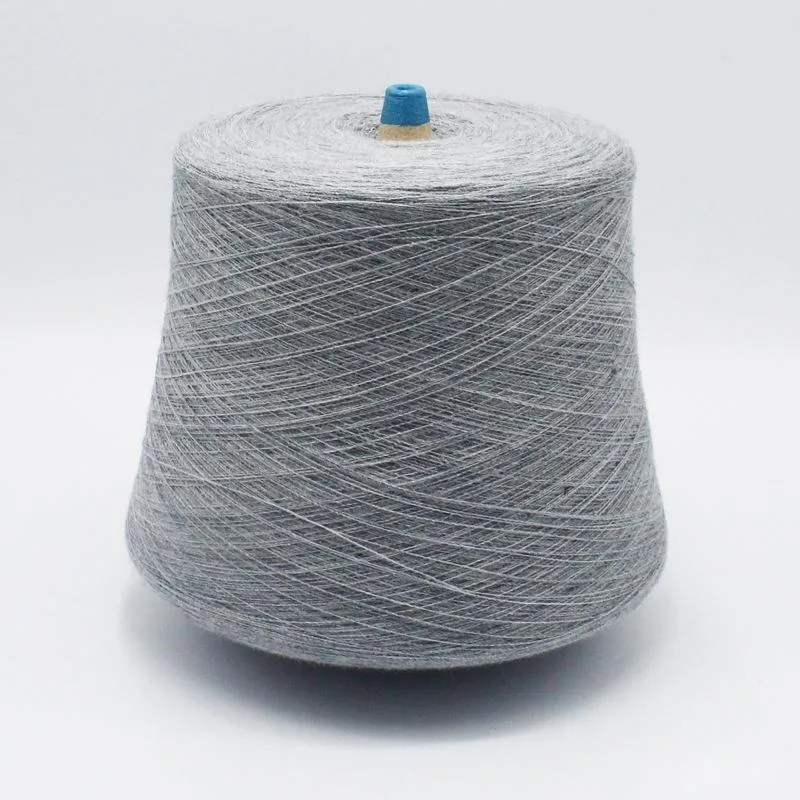
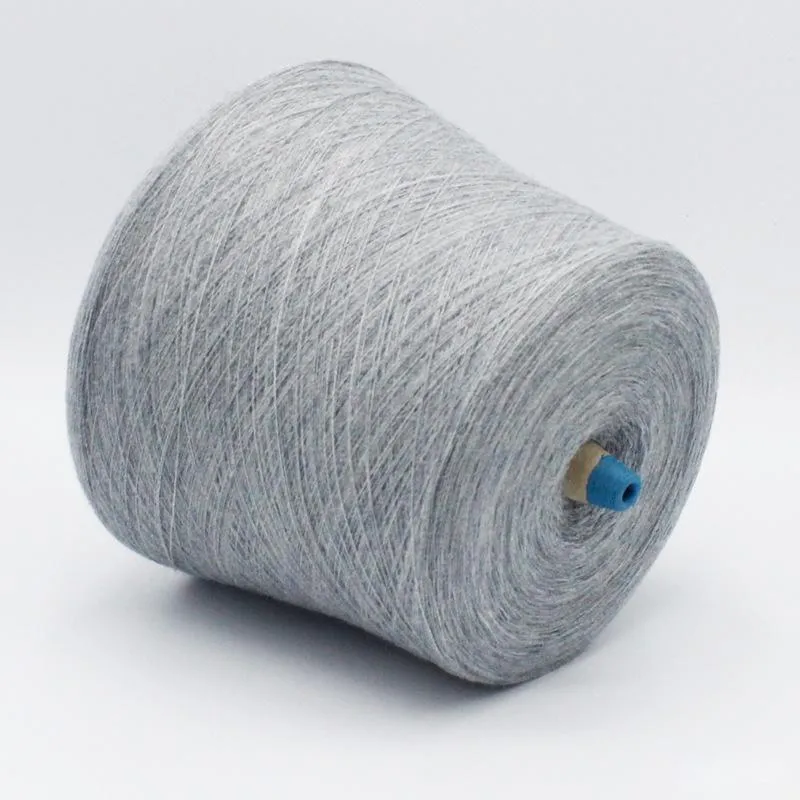
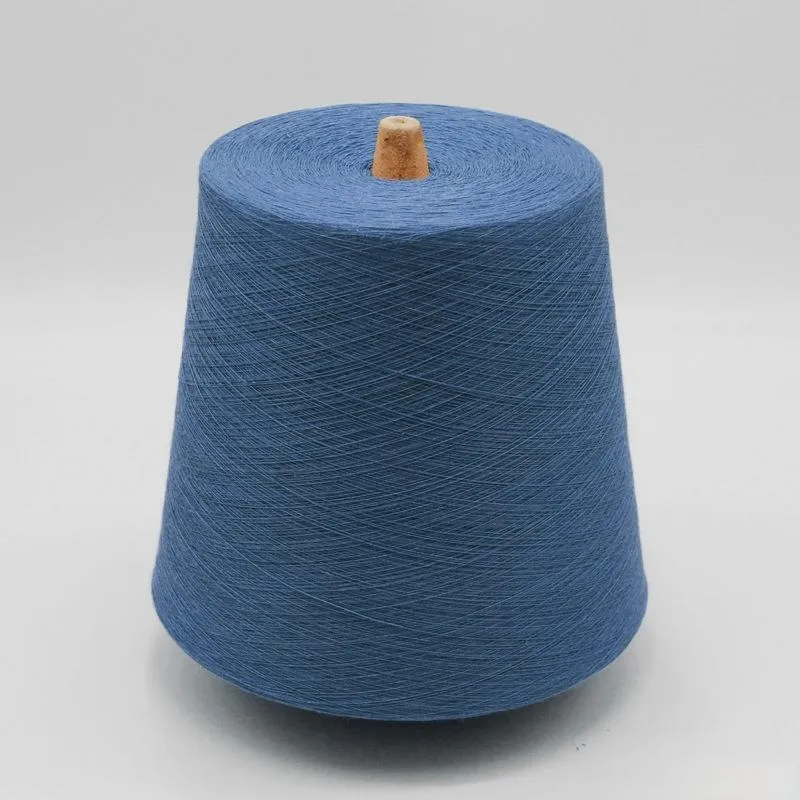
Thermal Wool Nylon Acrylic Blended Yarn for Warm, Bulky-Comfort Winter Textiles
Thermal wool nylon acrylic blended yarn (5% wool / 15% nylon / 80% acrylic) is engineered for winter socks and knitwear that need warmth, loft, and soft skin contact.
- Spinning Process: Blended spinning
- Yarn Count: 1/35 (1/28), single ply
- Fiber Composition: 5% wool / 15% nylon / 80% acrylic
- Yarn Form: Dyed blended cone yarn, bulky comfort type
- Main Application: Winter socks and comfort knitwear
- Minimum Order Quantity (MOQ): 5,000 kg
- Packaging: Carton packing
Thermal Wool Nylon Acrylic Blended Yarn for Autumn/Winter Manufacturing
VI-TEX supplies this 1/35 wool-nylon thermal yarn for winter socks and comfort knitwear. The full blend contains 5% wool, 15% nylon, and 80% acrylic, while the yarn count comes in 1/35 (1/28), single ply.
Because each fiber has a different role, the blend aims to balance warmth, bulk, hand feel, and wear performance without relying on a high wool percentage. Meanwhile, the dyed cone format helps buyers review color direction before bulk production.
Before placing a bulk order, confirm the machine gauge, fabric structure, finishing route, and required tests. These factors affect the final warmth, softness, pilling, and abrasion performance of the finished textile.
How the 5% Wool / 15% Nylon / 80% Acrylic Blend Works
The three fibers contribute different characteristics to the yarn. First, acrylic provides most of the bulk and supports a fuller hand feel. Next, nylon adds support for products that face repeated friction. Finally, the wool component adds a natural wool touch to the blend.
- 5% wool: Contributes natural wool touch and supports an autumn/winter product profile.
- 15% nylon: Supports wear-focused applications, including the heel and toe areas of socks.
- 80% acrylic: Provides the main yarn bulk and helps create a warm, comfortable hand feel.
- Dyed cone format: Helps buyers review shade direction and approve color before bulk production.
However, fiber composition alone cannot determine the final result. Stitch density, machine settings, finishing, and washing conditions also influence performance. For this reason, buyers should test the finished fabric or sock before confirming bulk specifications.
Comparison with Common Winter Yarn Alternatives
The following comparison provides general sourcing guidance. It does not replace laboratory testing because yarn count, fiber quality, fabric structure, and finishing can change the final result.
| Comparison Point | This 5/15/80 Yarn | Typical Acrylic Thermal Yarn | Typical Wool-Rich Blend Yarn |
|---|---|---|---|
| Warmth and Bulk | Acrylic-rich construction targets a warm, lofty hand feel. | Can provide useful bulk, although the hand feel depends on acrylic grade and yarn structure. | May provide stronger wool character, although weight and material cost can increase. |
| Comfort in Wear | The wool component adds natural touch, while acrylic provides most of the bulk. | Hand feel can become dry when the yarn or finishing does not match the application. | Hand feel depends on wool quality, blend ratio, yarn structure, and finishing. |
| Abrasion Planning | Nylon supports wear-focused winter sock applications. | Abrasion performance depends on fiber grade, yarn structure, and fabric density. | Performance varies according to the wool ratio and supporting fibers. |
| Color Planning | Dyed cone yarn helps buyers approve shade direction before bulk production. | Color options may be flexible, but lot control still requires a physical standard. | Natural fiber variation can influence shade appearance between different lots. |
| Wholesale Planning | The MOQ is 5,000 kg, so buyers should plan total volume and color allocation in advance. | Availability and MOQ vary by supplier and acrylic grade. | Lead time and cost may change with wool grade and market conditions. |
Therefore, buyers should compare these options with the same fabric structure and test method. A like-for-like sample gives a more useful result than a comparison based only on fiber percentages.
Why Buyers Choose This Supply Partner
Wholesale buyers need clear specifications before they compare price or delivery. For example, the quotation should follow the confirmed yarn count, fiber ratio, color plan, end use, and order quantity.
- Specification-first communication: Share the yarn count, blend ratio, application, and test requirements before requesting a quote.
- Sample-to-bulk control: Keep the approved sample and technical specification as references for mass production.
- Color reference management: Approve and retain a physical shade standard for repeat-order comparison.
- Clear wholesale entry: The published MOQ is 5,000 kg, with carton packing as the standard format.
- Order coordination: Confirm color allocation, test items, shipment documents, and delivery terms during the RFQ stage.
As a result, both sides can review the same technical and commercial details before the buyer confirms the purchase order.
Product Parameters
| Parameter | Specification |
|---|---|
| Product Type | Thermal wool nylon acrylic blended yarn |
| Spinning Process | Blended spinning |
| Yarn Count | 1/35 (1/28), single ply |
| Fiber Composition | 5% wool / 15% nylon / 80% acrylic |
| Yarn Form | Dyed blended cone yarn |
| Yarn Profile | Bulky comfort type |
| Season | Autumn/Winter |
| Main Application | Winter socks and comfort knitwear |
| Minimum Order Quantity | 5,000 kg |
| Packaging | Carton packing |
Wholesale Policy and Price Framework
This product follows a quotation-based wholesale model. The quotation uses a per-kilogram basis, while order volume, color complexity, delivery terms, and raw-material movement influence the final price.
| Policy Item | Details |
|---|---|
| Minimum Order Quantity | 5,000 kg |
| Quotation Unit | Per kilogram |
| Main Price Factors | Total volume, number of colors, color complexity, delivery terms, and raw-material movement |
| RFQ Information | Yarn count, color reference, color allocation, end use, quantity, destination, and delivery terms |
| Reorder Reference | Approved technical specification and retained physical shade standard |
Before requesting a quotation, prepare the total quantity and planned color split. In addition, share the intended application and delivery schedule. This information helps the team review the correct quotation basis.
Once both sides confirm the technical details, the quotation can follow the agreed yarn specification instead of a general product description.
Packaging and Logistics
Carton packing supports receiving, storage, and warehouse handling. In addition, buyers can coordinate pallet and container plans with their designated forwarder.
- Standard Packaging: Carton packing
- Receiving: A consistent carton format helps the buyer organize inbound goods.
- Bulk Shipment: Buyers can plan pallet or container loading according to shipment volume.
- Forwarder Coordination: The buyer can provide designated-forwarder details during order confirmation.
- Shipping Documents: Confirm the required packing and shipment records before dispatch.
Before shipment, both parties should reconfirm carton requirements, consignee information, shipping marks, and document details.
Documentation, Certification and Patent Support
Documentation requirements vary by customer, application, and destination market. Therefore, buyers should list the required documents during the RFQ stage instead of assuming that one document set fits every order.
- Composition Declaration: VI-TEX can align the fiber-content information with the confirmed purchase-order specification.
- Test Requirements: Buyers can define fiber-content, colorfastness, pilling, or other relevant checks before shipment.
- Destination-Market Documents: The buyer should state the required market and document type during the inquiry.
- Label and Brand Information: Both sides can review product wording, composition details, and technical requirements before production.
- Certification or Patent Records: Ask VI-TEX to confirm the current documents that apply to the specific product and order.
However, buyers should not rely on a general certification or patent statement without reviewing current evidence. Ask for the relevant document, holder name, scope, and validity information before making a public claim.
Technical FAQ for 1/35 Wool-Nylon Thermal Yarn
Why can this yarn feel warm with only 5% wool?
The wool percentage is only one part of the yarn design. Acrylic provides most of the bulk, while the yarn structure influences loft and trapped air. For that reason, buyers should assess warmth on the knitted product instead of judging it from the wool percentage alone.
Is this yarn suitable for high-friction areas in socks?
Nylon can support abrasion performance in heel and toe areas. However, stitch density, yarn tension, finishing, washing, and wear conditions also affect durability. Run a pilot abrasion test on the finished sock before making a bulk performance claim.
Is this a bulky comfort yarn for winter socks?
The yarn has a bulky comfort profile for winter socks and knitwear. In practice, machine gauge and fabric structure determine the final cushioning and thickness. Confirm both settings during sample development.
How should mills control pilling risk?
Start with a pilot knitting run and review stitch density, finishing settings, and washing behavior. Then record the approved parameters in the bulk-production specification. This process gives the QC team a consistent reference for repeat lots.
What does 1/35 (1/28), single ply mean for production?
The count identifies the yarn size options available for production planning. Before sampling, match the selected count with the target gauge, fabric weight, structure, and hand feel. The single-ply form should also match the machine and finished-product requirement.
How can buyers improve color consistency across repeat orders?
Approve a physical shade standard after the first sample. Next, retain that standard together with the approved technical specification. During repeat production, use both references for lot comparison and QC review.
Can this yarn replace standard acrylic-only thermal yarn?
It can suit some winter programs, but buyers should not treat it as a universal replacement. Compare hand feel, pilling, abrasion, warmth, machine performance, and cost with the current yarn. If the pilot result meets the product target, confirm the final specification before bulk production.
Related products
-

Combed Cotton Modal Yarn 50/50 21S 32S Stock Yarn for Textile Knitting
-

Antibacterial Moisturizing Sock Yarn for Spring-Summer Socks
-

32/1 Bamboo Cotton Blended Yarn | Soft Antibacterial Sock Yarn
-

Water Repellent Sock Yarn 32s for Breathable Spring Summer Socks
-

Silk Linen Blended Sock Yarn 32S/1 for 18G Summer Socks
-

Linen Yarn Manufacturer 70% Viscose Tencel 30% Linen NE21s/1 Siro Compact Spun Yarn
-

32s Bamboo Cotton Yarn | 80/20 Cone Yarn for Sock Mills
-

97.6 Temperature Regulating Yarn in 32s/1 Cotton Viscose Blend