WhatsApp : (+86) 19058080181 Email : info@vi-tex.com


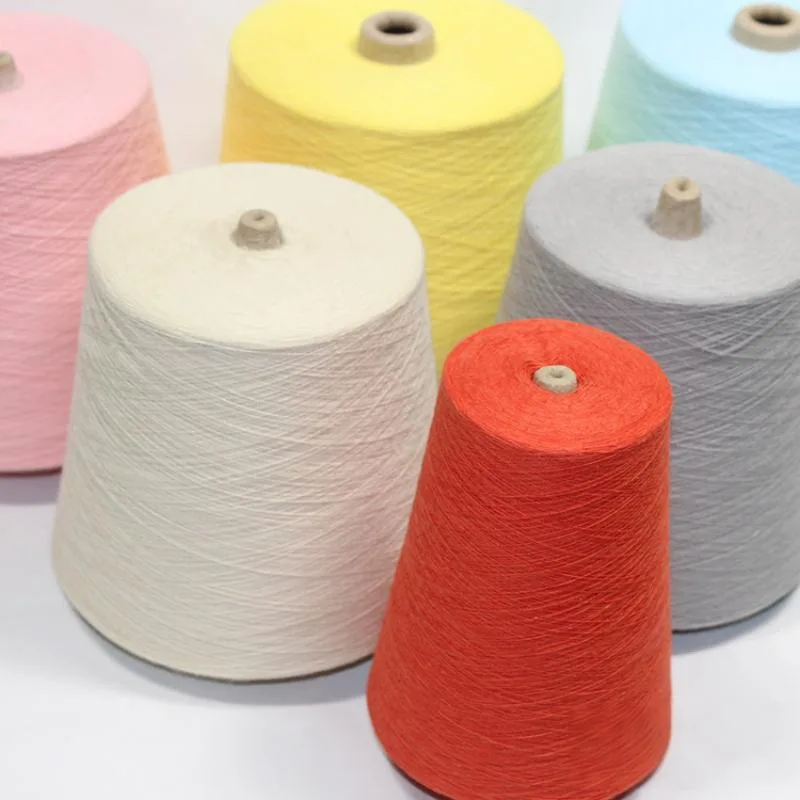
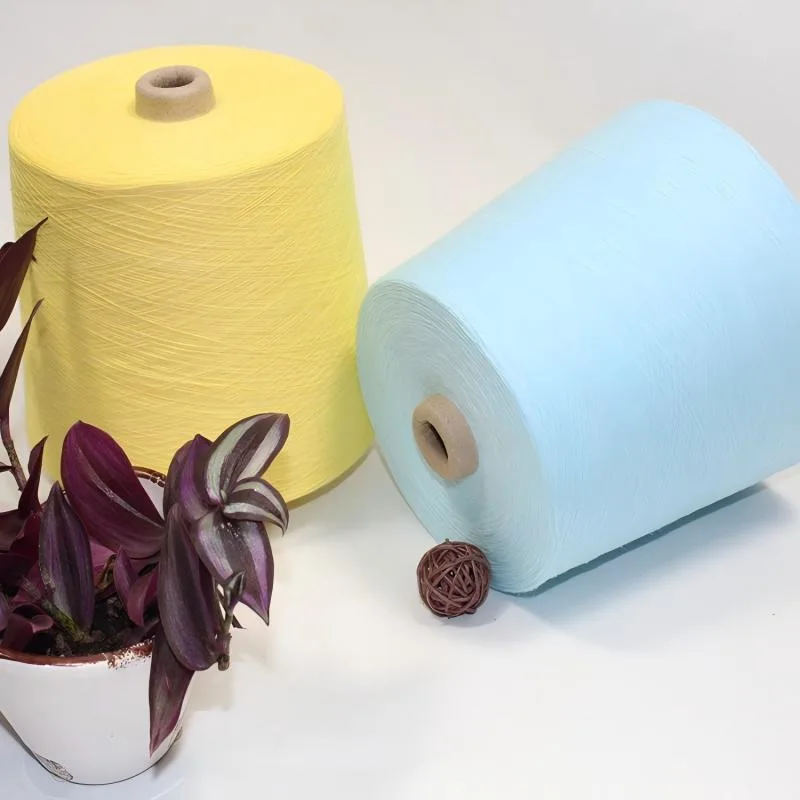
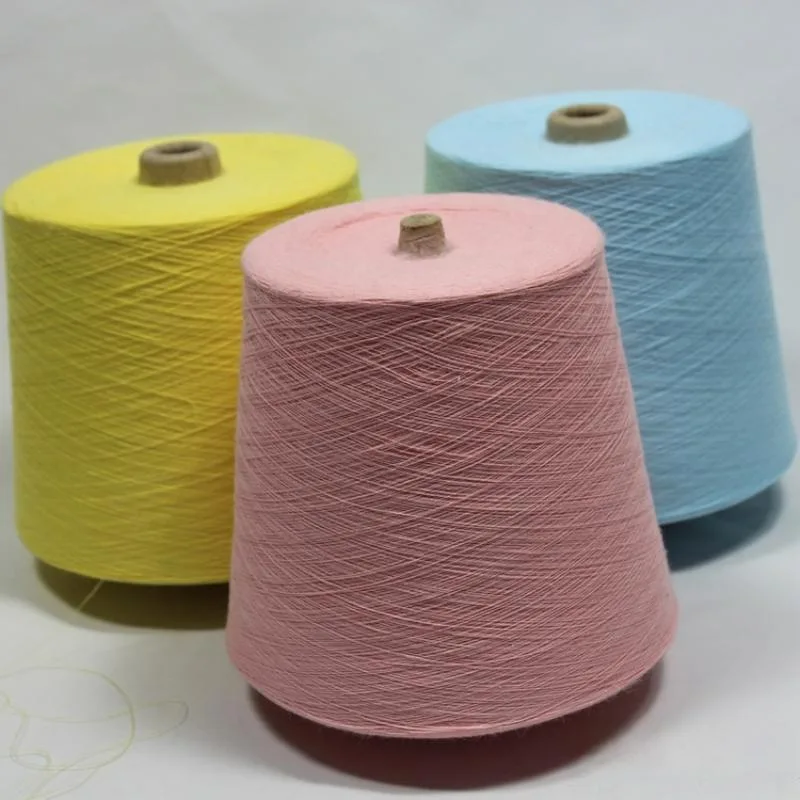
Cotton Linen Blend Sock Yarn for Soft, Skin-Friendly Socks
This cotton linen blend sock yarn is a 32s/1 dyed cone yarn made with 85% cotton and 15% linen. It gives sock mills and wholesalers a softer hand than linen-heavy blends while keeping a dry, breathable touch for direct-contact socks.
- Spinning Process: Blended spun dyed yarn
- Yarn Count: 32s/1
- Fiber Composition: 85% Cotton / 15% Linen
- Yarn Form: Dyed cone yarn
- Minimum Order Quantity (MOQ): 5,000 kg
- Packaging: Carton packing
What Buyers Need from Cotton Linen Blend Sock Yarn
Cotton linen blend sock yarn suits sock mills, private-label programs, and wholesalers that want a softer hand feel with better breathability. This yarn is 32s/1, made from 85% cotton and 15% linen, and supplied in dyed cone form for sock knitting.
Cotton keeps the touch softer on skin, while linen adds a drier, airier feel. That balance works well for spring and summer sock programs. For sourcing teams, hand feel is only one part of the decision. Count stability, shade repeatability, MOQ, lead time, and document follow-up matter just as much.
- 32s/1 dyed cone yarn for sock knitting
- 85% cotton / 15% linen composition
- Soft touch with a drier, more breathable feel
- Clear order terms for sample review and bulk planning
How This Cotton Linen Blend Sock Yarn Compares
Different sock yarns fit different product goals. 100% cotton keeps a familiar soft feel. High-linen blends bring a drier, firmer touch and often need tighter process control. This cotton linen blend sock yarn sits between those two options. It keeps the hand softer than linen-heavy blends, yet still gives the yarn a more breathable character than standard cotton sock yarn.
That makes it a practical choice for programs that need comfort, breathability, and a more balanced commercial position.
| Option | Hand Feel | Breathability | Process Tolerance | Best Fit |
|---|---|---|---|---|
| 100% Cotton Sock Yarn | Soft | Good | Usually easier to run | Basic sock programs that want a familiar cotton feel |
| High-Linen Blend Yarn | Drier and firmer | Good | Needs tighter process control | Programs that want stronger linen character |
| 85% Cotton / 15% Linen Dyed Sock Yarn | Soft with a dry touch | Good | Suitable after machine sampling | Buyers who need comfort, breathability, and better commercial balance |
| Synthetic Cooling Yarn | Smooth or cool, depending on the fiber system | Varies by structure | Often stable | Programs built around a cooling claim rather than a natural-fiber story |
Why Buyers Work with VI-TEX
VI-TEX started in 2003 and focuses on functional yarn development and supply. Its product range covers thermal, cooling, nano-functional, recycled, conductive, aramid, and other specialty yarn categories. That broader product knowledge helps customers compare this yarn with real alternatives instead of reviewing it on its own.
VI-TEX also runs two production and R&D bases in China, with subsidiaries in Japan and Vietnam, and serves customers in more than 10 countries and regions. This setup supports technical communication, document follow-up, and repeat-order coordination for B2B projects.
- Functional yarn supply experience since 2003
- Broader product knowledge for technical comparison and application matching
- Cross-border business support for export communication and file handling
- Structured review of samples, specifications, and order changes
Cotton Linen Blend Sock Yarn Specifications
| Product Type | Dyed sock yarn |
|---|---|
| Yarn Count | 32s/1 |
| Fiber Composition | 85% Cotton / 15% Linen |
| Yarn Form | Dyed cone yarn |
| Main Use | Sock knitting |
| MOQ | 5,000 kg |
| Lead Time | 30 days |
| Packaging | Carton packing |
Wholesale Policy and Bulk Planning for Cotton Linen Blend Sock Yarn
MOQ is 5,000 kg, and lead time is 30 days. These two points shape the order plan from the start, especially when the program includes multiple colors or custom shade development.
Volume, color count, shade depth, packing details, and document scope all affect cost and production planning. Once the shade standard and written specifications are clear, bulk follow-up becomes much easier.
| Item | Current Position | Why It Matters |
|---|---|---|
| Bulk MOQ | 5,000 kg | This product is planned as a bulk program rather than a stock item. |
| Lead Time | 30 days | Color count, sample approval, and factory loading still affect the final shipping schedule. |
| Price Drivers | Volume, number of colors, shade depth, packing details, and document scope | These points affect dyeing cost, planning efficiency, and freight structure. |
| Sampling | Confirm separately before bulk order | Sampling terms need to match the actual program. |
| Repeat Orders | Approved shade and written spec lock | This reduces lot disputes and keeps reorder communication shorter. |
Packaging and Logistics
This yarn uses carton packing. Before production starts, the packing list, carton marks, gross weight, and shipment split all need to be confirmed. These details affect warehouse handling, shipment review, and claim tracing after delivery.
For repeat orders, consistent packing standards help keep follow-up simpler and more stable.
Compliance and Technical Documents
Technical and compliance review needs to match the final order and destination market. Composition confirmation, test items, technical records, and market-specific documents may all come into the discussion before bulk release.
ISO 9001 system information, OEKO-TEX applicability, test reports, and other relevant technical documents can be reviewed as part of the project.
How We Control Bulk Consistency
Bulk consistency starts with a fixed shade standard and a clear written specification. Once the approved reference is locked, repeat production is easier to control and communication stays cleaner.
The same approach applies to appearance review, packing details, and delivery terms. Keeping those points stable helps reduce avoidable variation from one order to the next.
- Keep the approved shade reference on file
- Lock the written specification before bulk production
- Review appearance consistency by lot
- Keep packing and order terms consistent for repeat supply
Technical FAQ for Cotton Linen Blend Sock Yarn
Is this yarn suitable for direct-contact socks?
Yes. The 85/15 cotton-linen balance keeps the touch softer than linen-heavy blends. Final comfort still depends on sock structure, finishing, and washing conditions.
Why use 15% linen instead of a higher linen ratio?
It adds a drier, more breathable touch without pushing the yarn too far toward stiffness. A higher linen ratio may change both process tolerance and hand feel.
Can this yarn run on standard sock machines?
Machine sampling remains important because feeder tension, gauge, speed, and sock structure all affect actual running performance.
What should be checked before bulk approval?
Start with fiber composition, shade approval, color fastness scope, and appearance consistency. If the target market needs a specific test method, define it before production starts.
What is the MOQ?
MOQ is 5,000 kg. If the project needs a sample route or a smaller development quantity, that needs separate confirmation.
What lead time can be expected?
Lead time is 30 days. Color count, approval speed, and factory loading still affect the final production schedule.
Can custom shades be developed?
Yes. Shade development starts after the color standard is confirmed. Early approval helps keep the delivery schedule on track.
Related products
-

Combed Cotton Modal Yarn 50/50 21S 32S Stock Yarn for Textile Knitting
-

97.6 Temperature Regulating Yarn in 32s/1 Cotton Viscose Blend
-

30s Linen Polyester Blended Yarn | 85/15 Compact 30/1 Color Yarn
-

32/1 Bamboo Cotton Blended Yarn | Soft Antibacterial Sock Yarn
-

Antibacterial Moisturizing Sock Yarn for Spring-Summer Socks
-

Cooling Antibacterial Sock Yarn | 32s Silk-Linen Blend for Summer Socks
-

Silk Linen Blend Dyed Yarn 32S/1 for Breathable Spring and Summer Knitting
-

10% Wool 90% Acrylic Blended Yarn | 1/52 Nm Cone Yarn