WhatsApp : (+86) 19058080181 Email : info@vi-tex.com


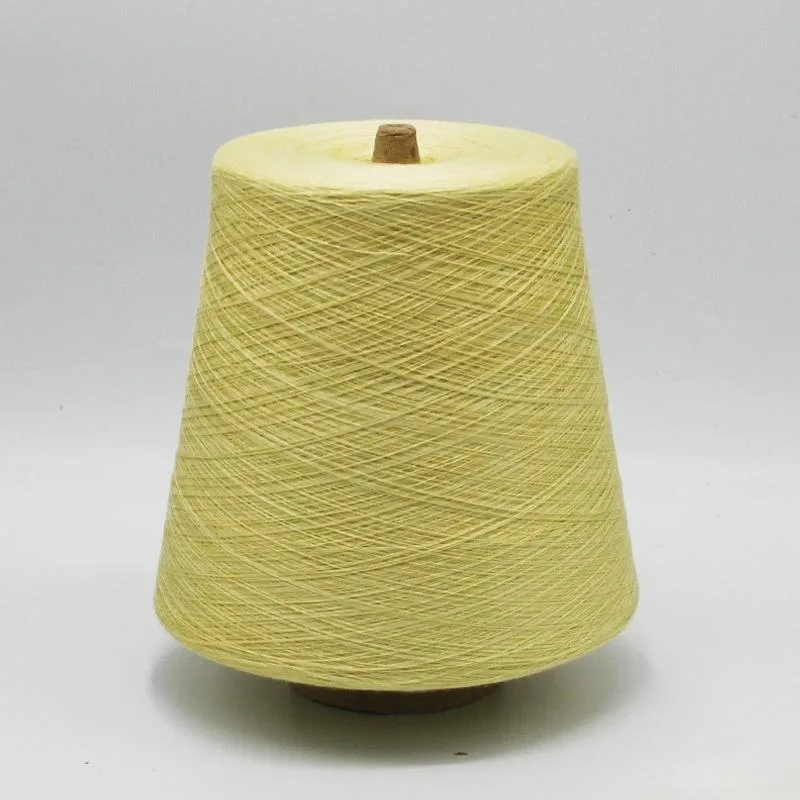
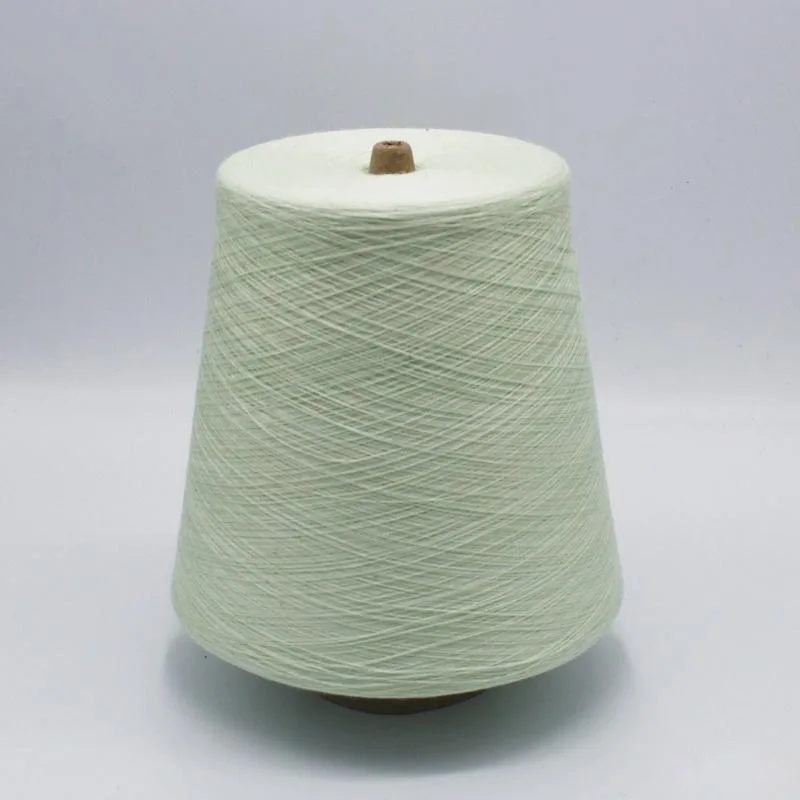
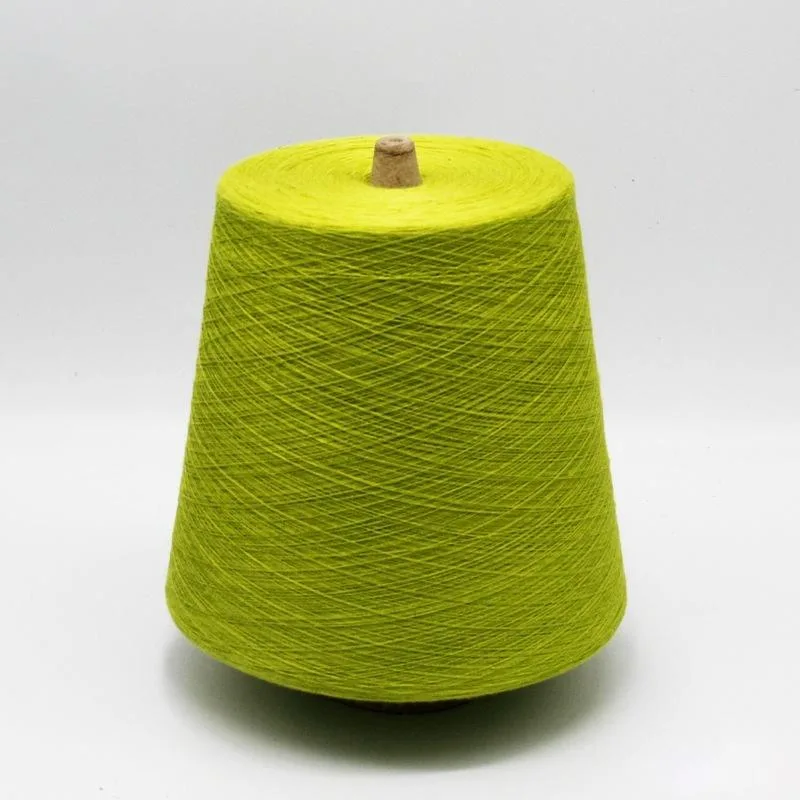
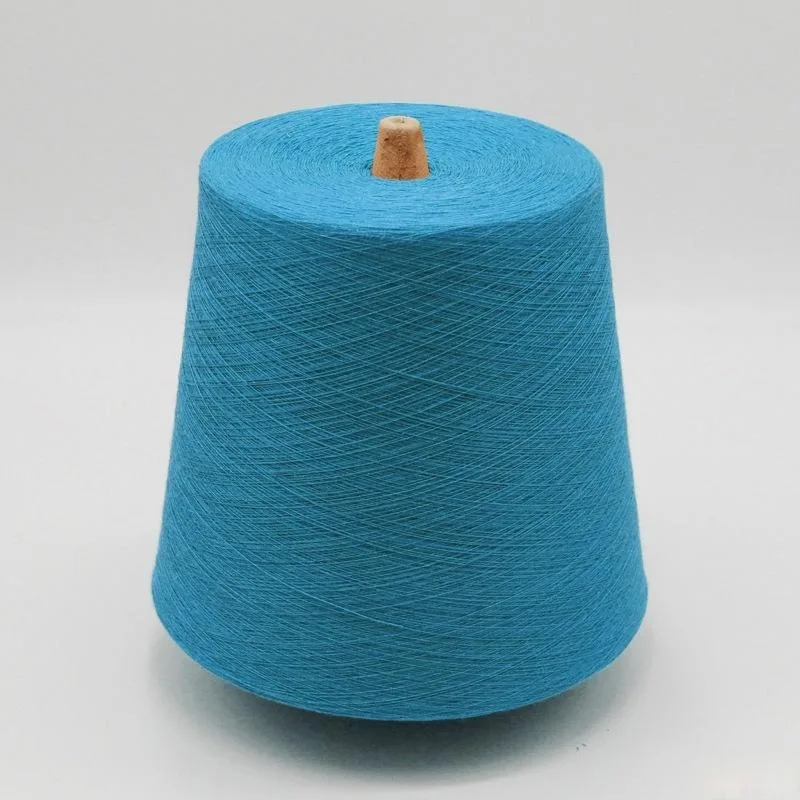
Silk Linen Blended Sock Yarn 32S/1 for 18G Summer Socks
32S/1 silk linen blended sock yarn for 18G summer socks, made with 5% silk, 5% linen, 20% cotton, and 70% viscose. It gives socks a drier touch, a lighter hand feel, and steadier knitting on fine-gauge machines.
- Spinning Process: Blended spinning
- Yarn Count: 32S/1
- Fiber Composition: 5% silk, 5% linen, 20% cotton, 70% viscose
- Yarn Form: 1-ply colored sock knitting yarn
- Minimum Order Quantity (MOQ): 5,000 kg
- Packaging: Carton packing
Silk Linen Blended Sock Yarn for Summer Socks
32S/1 colored yarn for 18G sock knitting, made with 5% silk, 5% linen, 20% cotton, and 70% viscose.
The structure is simple, but the balance is clear. Viscose makes up the main body of the yarn, so the surface stays smoother and easier to control in knitting. Silk improves the hand feel and gives the yarn a finer look. Linen adds a dry and airy summer character. Cotton helps the sock feel familiar in daily wear. With a 32S/1 count, 1-ply form, and 18G fit, this yarn works well for lightweight summer sock programs that need both product value and production stability.
For buyers, this means a better material story without moving into a difficult or expensive yarn route. For sock mills, it means a blend that is easier to sample, easier to explain, and easier to run in bulk. That matters when summer programs move fast and every extra round of sampling costs time.
- Made for 18G sock knitting: The 32S/1 construction suits lightweight summer socks.
- Dry touch with better comfort: Linen adds freshness, while silk and viscose keep the yarn from feeling harsh.
- More workable in production: The blend is easier to handle than heavier linen or higher-silk constructions.
- Stronger summer positioning: It fits cooling-feel socks, light casual socks, and refined fine-gauge sock lines.
- Useful for bulk color planning: Buyer-required colors can be arranged around the collection plan.
How This Yarn Solves Common Summer Sock Problems
Dry hand feel without turning rough
Summer socks need a clean and light touch. At the same time, they still need comfort on the foot. Pure linen or very dry blends often miss that balance. They can feel flat, stiff, or scratchy after knitting. This blend handles that issue more carefully. Linen gives the yarn a drier surface feel. Silk softens the contact feel. Viscose keeps the fabric smoother. Cotton adds body. The final sock feels lighter and cleaner, but it does not lose everyday wearability.
Cleaner running on 18G sock machines
Fine-gauge sock knitting leaves very little room for yarn instability. Once the yarn gets too dry or too hard, mills start to see breakage, uneven loop formation, or a less even surface. This 32S/1 structure is better suited to 18G production. The 1-ply form keeps the yarn straightforward. The 800 twist helps the strand stay together during feeding. The viscose-rich base also helps reduce the rough behavior that higher linen ratios often bring.
A better fiber story without pushing cost too far
Buyers often ask for silk or linen because those fibers help the product sell. The problem starts when the yarn becomes too expensive or too difficult to run. Pure silk pushes raw material pressure up very quickly. Higher linen content can make knitting and finishing less predictable. This blend gives you a more commercial answer. The silk and linen content still support the summer story. The viscose and cotton keep the yarn workable for real production.
A practical base for cooling and antibacterial sock development
Many functional sock projects fail because the base yarn and the final finish do not work well together. This yarn gives development teams a cleaner starting point. Linen helps create a cooler and drier summer feel. Silk and viscose keep the sock more wearable. If the target market needs an antibacterial claim, the safer route is to apply the required finish after knitting and test the finished sock against the target standard. That keeps the product claim more credible and easier to manage.
Technical Data
| Item | Specification |
|---|---|
| Spinning Process | Blended spinning |
| Yarn Count | 32S/1 |
| Fiber Composition | 5% silk, 5% linen, 20% cotton, 70% viscose |
| Recommended Gauge | 18G |
| Yarn Form | 1-ply colored sock knitting yarn |
| Twist | 800 |
| Linear Density | 11–20 tex |
| Color | Buyer-required colors available |
| Minimum Order Quantity | 5,000 kg |
| Packaging | Carton packing |
- Spinning Process: Blended spinning
- Yarn Count: 32S/1
- Fiber Composition: 5% silk, 5% linen, 20% cotton, 70% viscose
- Yarn Form: 1-ply colored sock knitting yarn
- Minimum Order Quantity (MOQ): 5,000 kg
- Packaging: Carton packing
These figures give buyers and mills a clear starting point. The 32S/1 count supports a lighter summer sock structure. The 18G fit points to a finer and cleaner fabric surface. The 1-ply form keeps the yarn easy to read during sampling and production checks. The 800 twist supports yarn integrity during knitting. For planned seasonal programs, the 5,000 kg MOQ also makes color planning and bulk scheduling more practical.
Recommended Uses
This silk linen blended sock yarn works best in product lines that need a light, dry, and refined summer profile. It suits spring and summer collections, functional casual socks, and fine-gauge styles that need both a better hand feel and a stronger fiber story.
- Summer casual socks: Good for lighter socks with a dry and clean touch.
- Invisible and ankle socks: Suitable for lower-weight summer styles.
- Fine-gauge dress socks: A good fit for a neater surface on 18G machines.
- Cooling-feel sock collections: A strong base for warm-weather sock development.
- Antibacterial sock programs: Suitable as a base yarn when the final antibacterial finish is added after knitting.
- Seasonal color programs: Useful for collections that need multiple approved shades.
Processing Notes for 18G Sock Knitting
Keep yarn feeding steady
Do not over-pull the yarn. High feeding tension can change the final hand feel and raise the risk of breakage. A smoother yarn path helps the blend show its real value in the knitted fabric.
Set stitch density around the target hand feel
If the structure is too open, the sock can lose body. If it is too tight, the fabric can feel firmer than planned. Start from your regular 18G summer sock setting, then adjust according to sock weight, cover, and final touch.
Confirm the finishing route early
If the product focuses on summer comfort, keep the finishing route light and controlled. If the product needs an antibacterial retail claim, fix the finishing plan before bulk production and test the finished sock. That step reduces claim risk later.
Lock the shade standard before bulk
Mixed-fiber yarns respond to finishing conditions. In real production, one approved standard sample saves time. Keep knitting, washing, and finishing conditions stable to reduce shade variation in repeat orders.
Why This Construction Works in Bulk Programs
This yarn fits the market because it keeps both sides in view. Buyers need a summer fiber story that sounds real. Mills need a blend that can run on fine-gauge machines without too much disruption. This construction gives both sides a more workable answer.
- Easier sampling: The yarn already points to a clear count, gauge, and end use.
- Better bulk planning: The structure and MOQ suit seasonal sock programs.
- Stronger sales story: Silk and linen support the product angle without turning the yarn into a niche luxury item.
- More practical color planning: Buyer-required shades can be aligned with the collection timeline.
- A cleaner route for functional finishing: Cooling-feel and antibacterial sock projects can move forward with fewer claim gaps.
FAQ
Why is 32S/1 a good fit for 18G summer socks?
32S/1 works well for lightweight sock structures. On 18G machines, it helps create a finer surface and a cleaner look. For summer socks, that matters because the fabric needs to feel light without looking loose or flat.
What do silk and linen add to the final sock?
Silk helps improve the hand feel and gives the yarn a finer appearance. Linen adds a drier and more breathable summer character. In this blend, both fibers support the summer story without pushing the yarn into a harder-to-run structure.
Why is viscose the main fiber in this blend?
Viscose keeps the yarn smoother, softer, and easier to control on fine-gauge sock machines. If the linen ratio goes too high, the yarn can become too dry and less stable in knitting. The viscose-rich base keeps the construction more practical for production.
Does the yarn itself carry an antibacterial claim?
This yarn is suitable for antibacterial sock development, but the final antibacterial claim should come from the finished sock test. If your market needs a formal claim, add the required finish after knitting and test the final product against the target method.
Can colors follow buyer requirements?
Yes. Buyer-required color development is available. For repeat orders, it is better to approve one standard sample first, then keep knitting and finishing conditions stable. That helps reduce shade variation in bulk production.
What sock styles fit this yarn best?
This yarn works well in summer casual socks, invisible socks, ankle socks, and fine-gauge dress socks. It also fits cooling-feel sock programs and light functional collections that need a cleaner hand feel and a refined summer look.
What are the MOQ and packing details?
The minimum order quantity is 5,000 kg, and the product uses carton packing. This order level suits seasonal bulk programs, repeat production, and planned color development.
Related products
-

32/1 Bamboo Cotton Blended Yarn | Soft Antibacterial Sock Yarn
-

30s Linen Polyester Blended Yarn | 85/15 Compact 30/1 Color Yarn
-

Viscose Nylon Boucle Yarn 1/26 (70/30) for Soft, Skin-Friendly Knitwear
-

65/35 Polyester Cotton TC Yarn 32/1 – Fancy Dyed Pattern Yarn for Knitting and Weaving
-

97.6 Temperature Regulating Yarn in 32s/1 Cotton Viscose Blend
-

Segment Dyed Polyester Cotton Yarn for Socks
-

Four-Color Space Dyed Poly Cotton Yarn 32S for Socks and Lightweight Knits
-

Wool Acrylic Sock Yarn 1/52 (10% Wool 90% Acrylic) for Warm, Soft Winter Socks