WhatsApp : (+86) 19058080181 Email : info@vi-tex.com


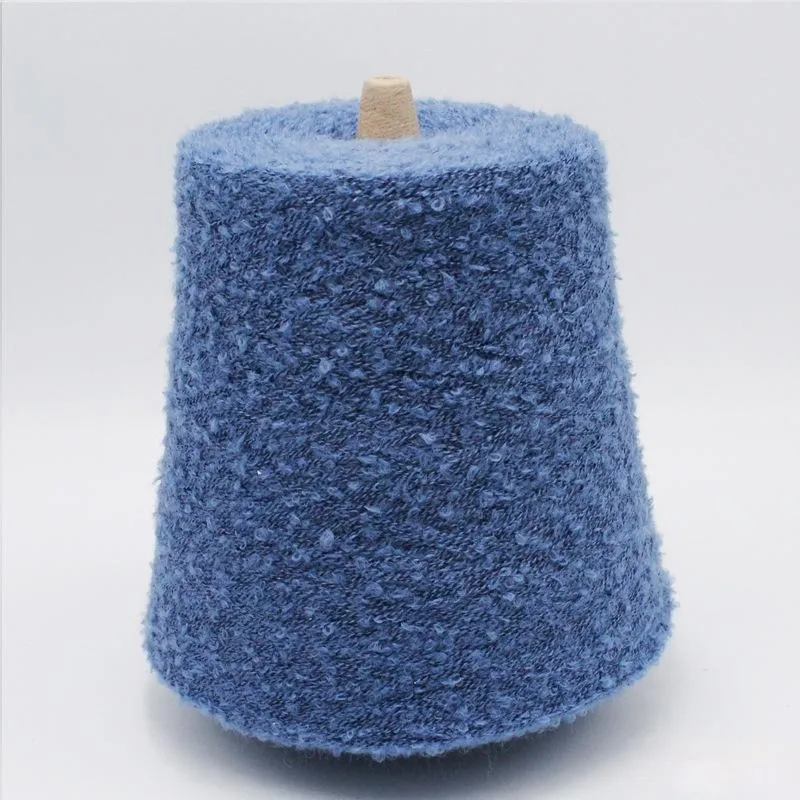
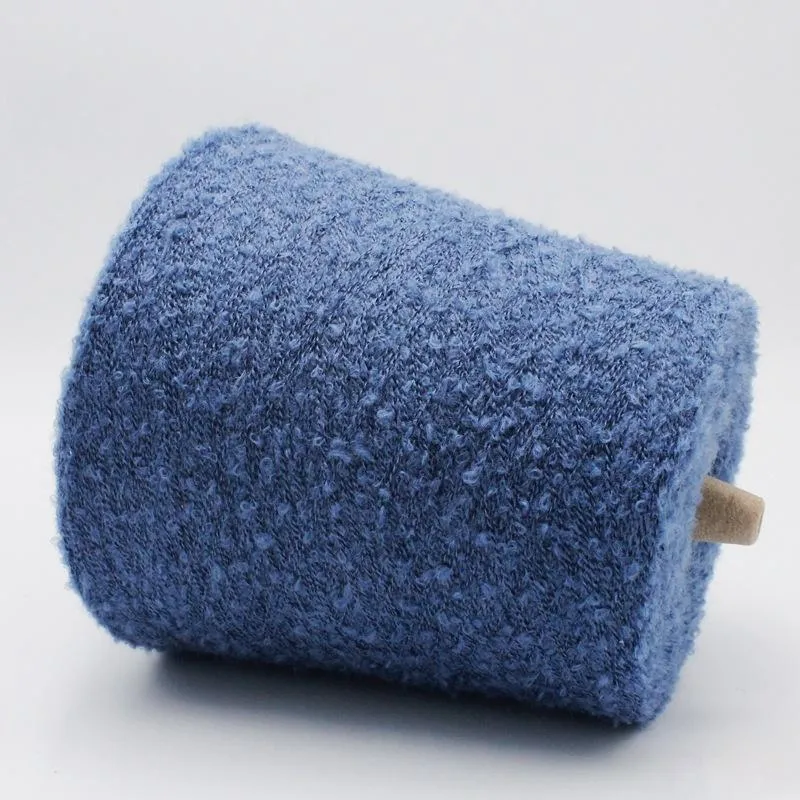
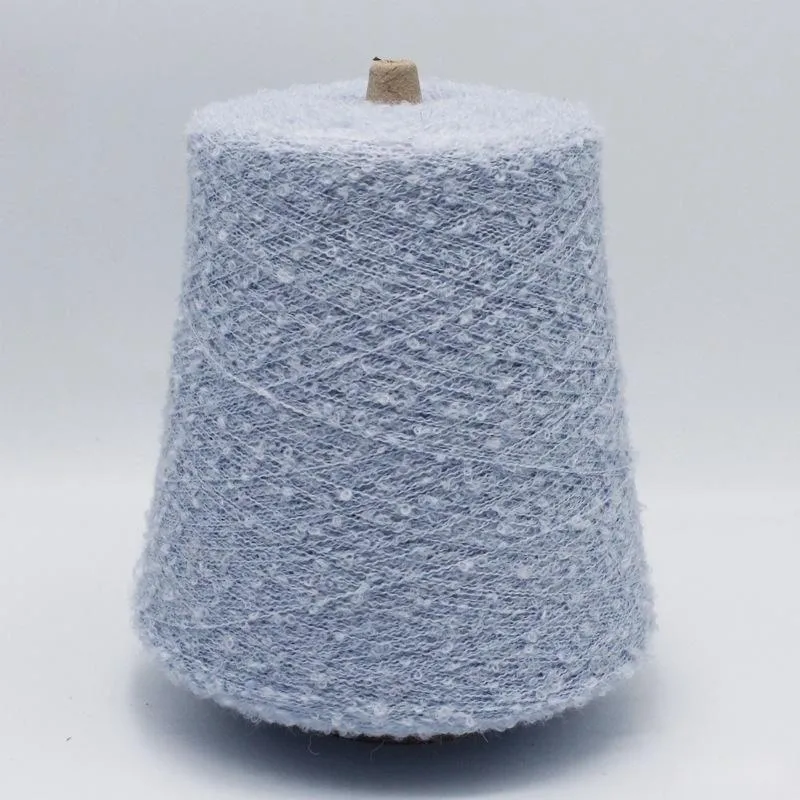
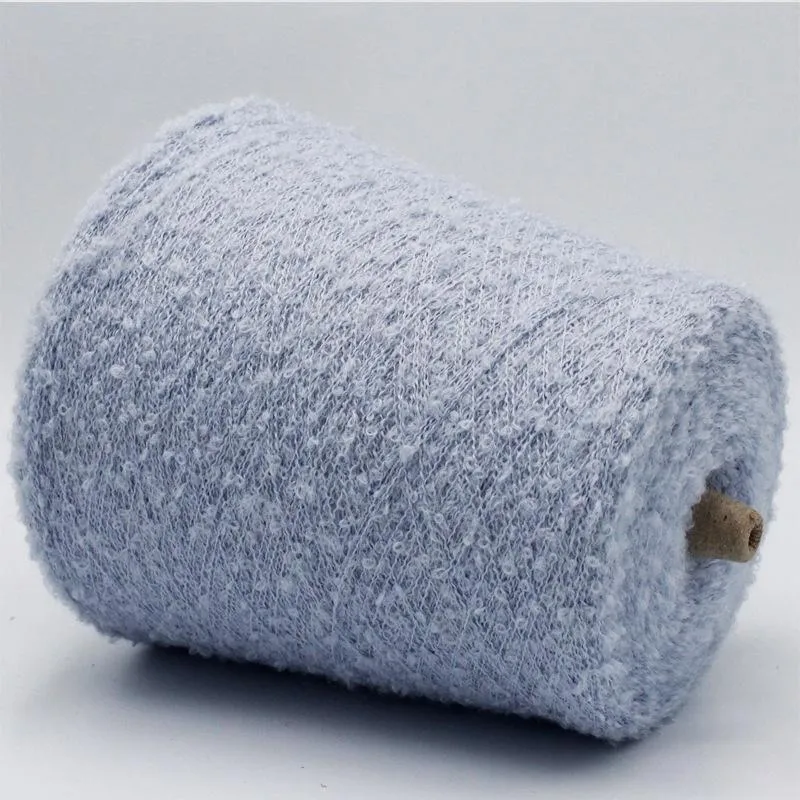
Soft Loop Wool Blend Yarn (13s Compact Siro) for Autumn/Winter Socks & Knitwear
13S soft loop wool blend yarn for autumn/winter socks and knitwear. Compact-siro spun with 8% wool, 30% nylon, and 62% acrylic, it provides a full bouclé-style surface for seasonal knit development.
- Yarn Count: 13S (13-count), single ply / 1/13
- Composition: 8% Wool / 30% Nylon / 62% Acrylic
- Spinning Process: Compact Siro Spinning
- Yarn Form: Dyed Cone Yarn
- Applications: Autumn/Winter Socks and Knitwear
- MOQ: 5,000 kg
VI-TEX supplies this 13S wool-nylon fancy yarn as a three-fiber soft-loop blend for autumn/winter socks and knitwear. The full composition contains 8% wool, 30% nylon, and 62% acrylic. VI-TEX uses compact siro spinning for this dyed cone yarn. Because the yarn has a visible loop texture, buyers should test it in the intended fabric structure. Therefore, approve the count, blend, shade, and loop appearance before bulk production.
13S Soft Loop Wool Blend Yarn: Product Overview
The following table summarizes the current product information. However, each quotation should repeat the final specification and commercial terms.
| Parameter | Product Information |
|---|---|
| Product Type | Soft Loop / Bouclé Fancy Yarn |
| Primary Use | Autumn/Winter Socks and Knitwear |
| Yarn Count | 13S (13-Count) |
| Ply | Single Ply / 1/13 |
| Fiber Composition | 8% Wool / 30% Nylon / 62% Acrylic |
| Spinning Process | Compact Siro Spinning |
| Yarn Form | Dyed Cone Yarn |
| Machine Gauge Reference | 12G Development Reference |
| Minimum Order Quantity | 5,000 kg |
| Trade Unit | kg |
| Reference Cone Weight | 1,500 g; Confirm Net Weight and Tolerance in the Quotation |
| Packing Method | Carton Packing |
13S means 13-count yarn on this product page. In addition, the product record describes the construction as single ply / 1/13. This page does not use a separate tex range, so buyers can avoid mixing different count systems.
How the 8/30/62 Blend Supports the Soft Loop Structure
Each fiber plays a different role in this soft loop wool blend yarn. Wool contributes to a warmer and softer hand. Meanwhile, nylon supports wear performance in applications such as socks. Acrylic adds body and helps form a fuller loop surface.
However, the final fabric also depends on stitch construction, machine settings, dyeing, and finishing. Therefore, buyers should test abrasion, pilling, dimensional stability, and hand feel on their own knitted sample. This approach gives the technical team direct evidence from the intended application.
Sample-to-Bulk Control for 13S Fancy Yarn
Buyers can use the following sequence to keep the sample, purchase order, bulk lot, and repeat order aligned.
- First, document the specification. Record the 13S count, single-ply construction, 8/30/62 blend, yarn form, and intended application.
- Next, approve the shade. Use one color code, shade card, or physical sample as the order reference.
- Then, run a knitting trial. Check machine running, loop appearance, fabric hand, and the tests required for the finished product.
- After that, issue the bulk standard. Repeat the count, blend, shade, quantity, packing, and delivery requirements on the purchase order.
- Finally, inspect the incoming lot. Compare its shade, cone condition, labels, and agreed quality data with the approved reference.
As a result, sourcing, knitting, quality control, and logistics teams can use the same product record. This process also gives repeat orders a clear reference without replacing the buyer’s normal inspection procedure.
Applications and Knitting Reference
This 13S soft loop yarn suits autumn/winter socks and knitwear that require a visible loop texture and fuller surface. For example, buyers may evaluate it for seasonal socks, textured knit panels, sweaters, accessories, and other soft-loop developments.
The product page gives 12G as a development reference. However, the final gauge and feeding conditions depend on the machine and fabric structure. Therefore, buyers should run a production-relevant sample before they confirm the setting.
Wholesale MOQ and RFQ Requirements
VI-TEX sets the published MOQ at 5,000 kg. Because the price depends on the shade plan, quantity, delivery window, and final specification, VI-TEX quotes each order individually. Therefore, buyers should send complete project information with the RFQ.
| RFQ Item | Details to Provide |
|---|---|
| Yarn Specification | 13S, Single Ply, 8% Wool / 30% Nylon / 62% Acrylic |
| Application | Socks, Knitwear, or Another Confirmed Development |
| Shade | Color Code, Shade Card, or Physical Color Reference |
| Quantity | Required Quantity in kg; Published MOQ 5,000 kg |
| Sample | Required Sample Type and Approval Standard |
| Testing | Buyer’s Test Methods, Performance Targets, or Document Requirements |
| Delivery | Required Date and Shipping Destination |
| Commercial Terms | Current Price, Payment Terms, Packing, and Incoterm |
In addition, buyers should identify any test report or certificate requirement before sampling. Consequently, VI-TEX can review feasibility before it confirms the order.
Main Factors That Can Affect the Quotation
- Number of shades and quantity per shade
- Total order volume and production continuity
- Sample, testing, and document requirements
- Delivery schedule and shipping destination
- Specification changes after sample approval
Packaging and Logistics
VI-TEX supplies the yarn on cones and packs the cones in cartons. The source page gives 1,500 g as the reference cone weight. However, buyers should confirm the net cone weight and tolerance in the quotation.
| Item | Details |
|---|---|
| Shipment Form | Cone Yarn |
| Packing Method | Carton Packing |
| Reference Cone Weight | 1,500 g |
| Label Information | Yarn Count, Blend, Shade, Lot, and Order Reference |
| Dispatch | Follow the Confirmed Production and Packing Schedule |
Before shipment, both sides should verify the carton quantity, cone weight, labels, and shipping marks. Moreover, repeat orders should refer to the previous sample and order record when the buyer needs the same specification and shade.
Related 13S and Loop Yarn Options
However, another fiber ratio may suit a different development. Buyers can compare this product with the 13S heat-generating brushed yarn or review the 1/13 wool-acrylic loop fancy yarn before choosing a final blend.
FAQ for 13S Wool-Nylon Fancy Yarn Buyers
Where can buyers source 13S wool-nylon fancy yarn for sock production?
VI-TEX supplies this 13S soft loop yarn for commercial sock and knitwear development. However, the full blend also contains 62% acrylic. Therefore, buyers should record the complete 8% wool / 30% nylon / 62% acrylic composition when comparing suppliers.
What does 13S mean for this product?
13S means 13-count yarn on this page. In addition, the product record uses single ply / 1/13 for the construction.
Can buyers use this 13S soft loop yarn for socks and knitwear?
Yes. The product page names autumn/winter socks and knitwear as the primary applications. However, buyers should use a knitting trial to confirm the final gauge, texture, and fabric performance.
How should buyers verify the 8/30/62 composition?
The sample card and purchase order should show 8% wool, 30% nylon, and 62% acrylic. Moreover, buyers can request current composition documents or arrange their own testing when the program requires extra verification.
What should the sample approval cover?
First, check the count, ply, composition, shade, cone condition, and loop appearance. Next, knit the intended construction and complete the required fabric tests. Finally, keep the yarn and fabric samples as references for bulk production.
Does compact siro spinning guarantee machine performance?
VI-TEX uses compact siro spinning as the production process for this yarn. Nevertheless, gauge, yarn path, tension, stitch construction, and finishing also affect machine and fabric performance. Therefore, buyers should run a production-relevant trial.
Related products
-

97.6 Temperature Regulating Yarn in 32s/1 Cotton Viscose Blend
-

Linen Yarn Manufacturer 70% Viscose Tencel 30% Linen NE21s/1 Siro Compact Spun Yarn
-

65/35 Polyester Cotton TC Yarn 32/1 – Fancy Dyed Pattern Yarn for Knitting and Weaving
-

32/1 Bamboo Cotton Blended Yarn | Soft Antibacterial Sock Yarn
-

Silk Cashmere Blended Yarn for Socks | 1/28 Nm Siro-Spun Dyed Yarn
-

Silk Linen Blended Sock Yarn 32S/1 for 18G Summer Socks
-

Combed Cotton Modal Yarn 50/50 21S 32S Stock Yarn for Textile Knitting
-

Wool Acrylic Sock Yarn 1/52 (10% Wool 90% Acrylic) for Warm, Soft Winter Socks