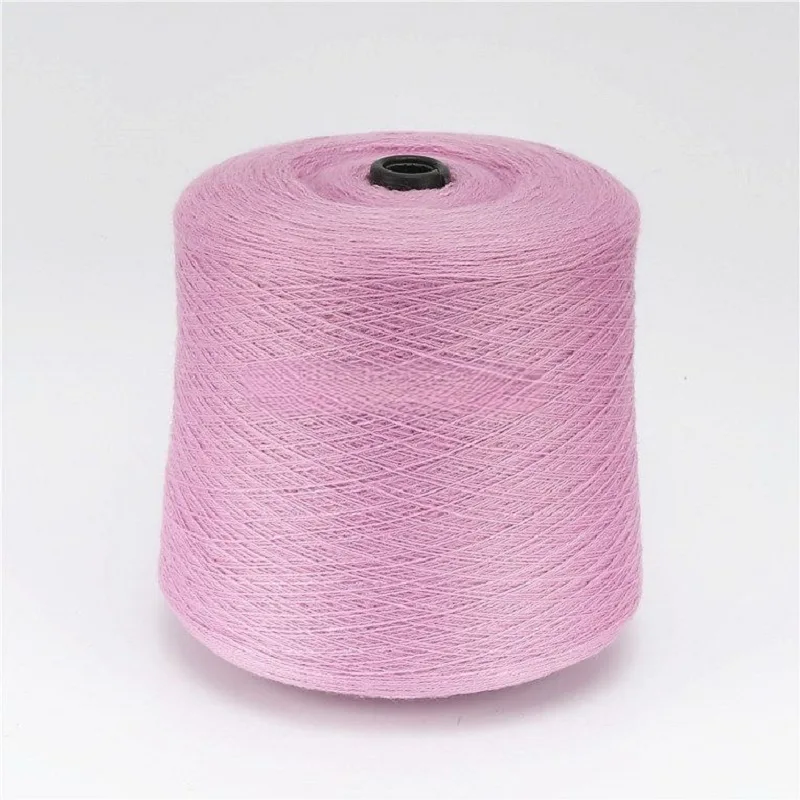
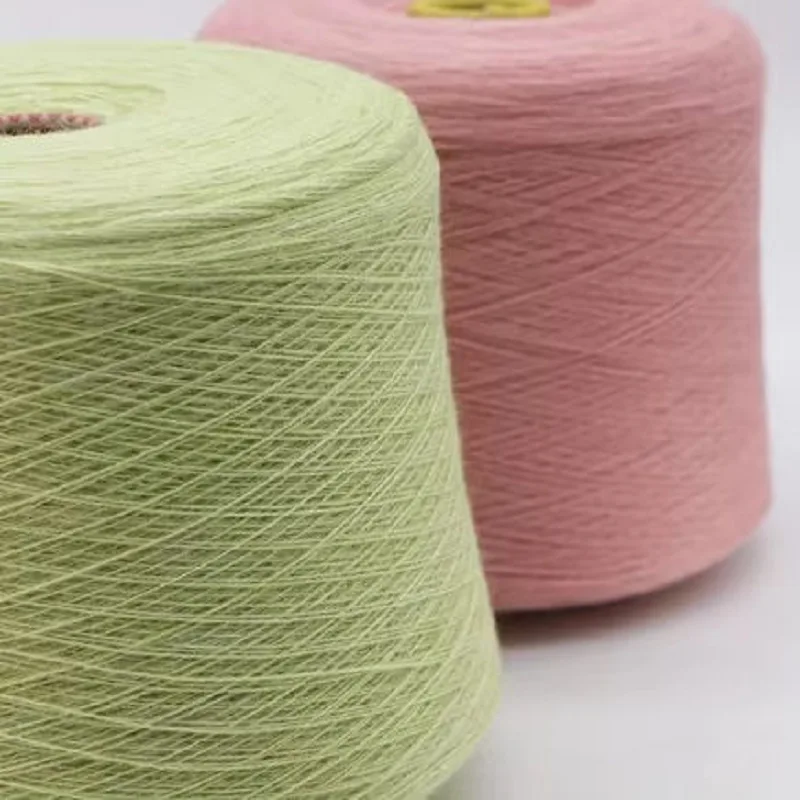
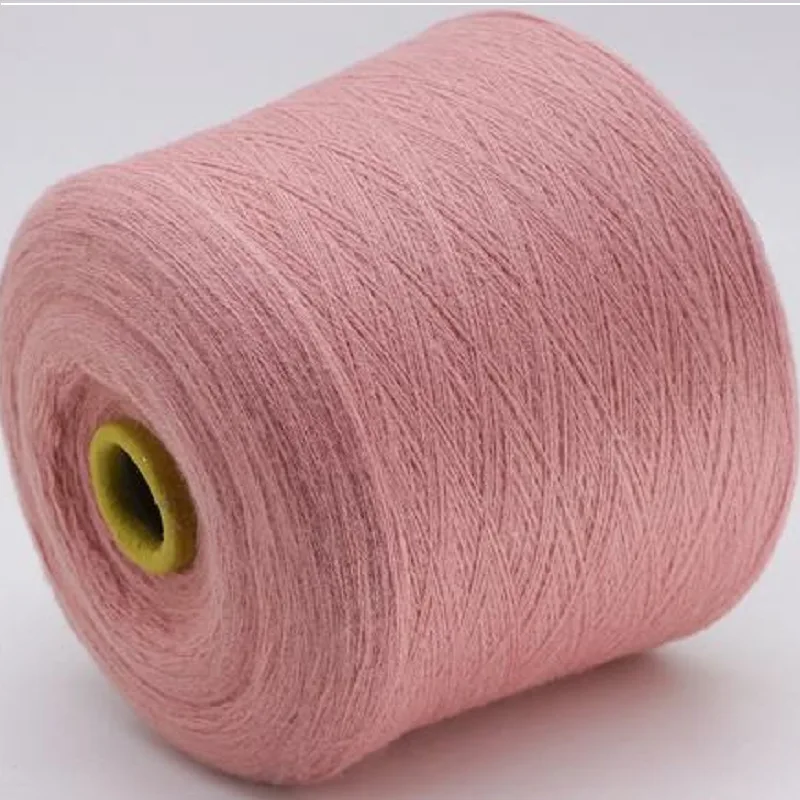
Wholesale 70% cotton 30% wool blend yarn in NM 2/28, open-end spun and wound on cones for socks, knitwear and weaving. The cotton gives a soft, absorbent hand next to the skin, and the wool adds warmth and elasticity for close-to-skin products worn from spring to mild winter.
This 2/28Nm cotton wool blend yarn is made of 70% cotton and 30% wool, open-end spun, plied and wound on cones. It runs on knitting machines for socks, sweaters and other knitwear, works on the loom for soft woven fabrics, and is also used for hand knitting.
The blend sits between its two fibers. It is warmer and more elastic than pure cotton yarn, yet lighter and more breathable than pure wool. Fabrics made with it feel soft against the skin and stay comfortable in spring, autumn, mild winter and air-conditioned rooms.
Product Specifications
Material
70% Cotton, 30% Wool
Yarn Count
NM 2/28 (two-ply)
Equivalent Count
Approx. Ne 16.5/2, about 14,000 m per kg
Spinning Process
Open End (OE / rotor spun)
Yarn Form
Cone yarn
Use
Knitted products, socks, hand knitting, textile weaving
Color Options
Natural white, bleached white, red, blue, green, yellow, purple, cyan, mixed colors, and custom shades by color card
Lead Time
Stock orders: 1-2 days after confirmation. Custom orders: usually 3-15 days after confirmation.
Packaging
Carton packing
Care
Hand wash gently in cool water and lay flat to dry
How the 70/30 Cotton Wool Blend Performs
Cotton makes up most of the yarn, so the fabric starts with a smooth, soft hand. Cotton absorbs moisture well, has low static and takes dye well.
The 30% wool adds what cotton lacks. Natural crimp in the wool fibers traps air, so the fabric holds warmth, and the same crimp gives the yarn more elasticity and a fuller hand. Wool also absorbs more moisture than cotton: standard moisture regain is 15% for wool and 8.5% for cotton. Calculated by weight, this blend comes to about 10.5%.
In wear, the fabric keeps you warm when the temperature drops without feeling heavy or bulky. That makes the yarn a good fit for layering pieces and for garments worn close to the skin.
What NM 2/28 Means for Your Production
NM 2/28 means two plies of 28Nm single yarn twisted together. The finished yarn is about 14Nm, which is roughly 14,000 meters per kilogram, or 71 tex. In cotton count, each ply is close to Ne 16.5, so mills that work in Ne can compare it with an Ne 16.5/2 yarn.
On knitting machines and looms it runs as a single end. If your team needs to convert between Ne, Nm, denier and fabric weight, our guide to denier, yarn count and GSM walks through how they relate.
Open-End Spinning, Surface and Stitch Definition
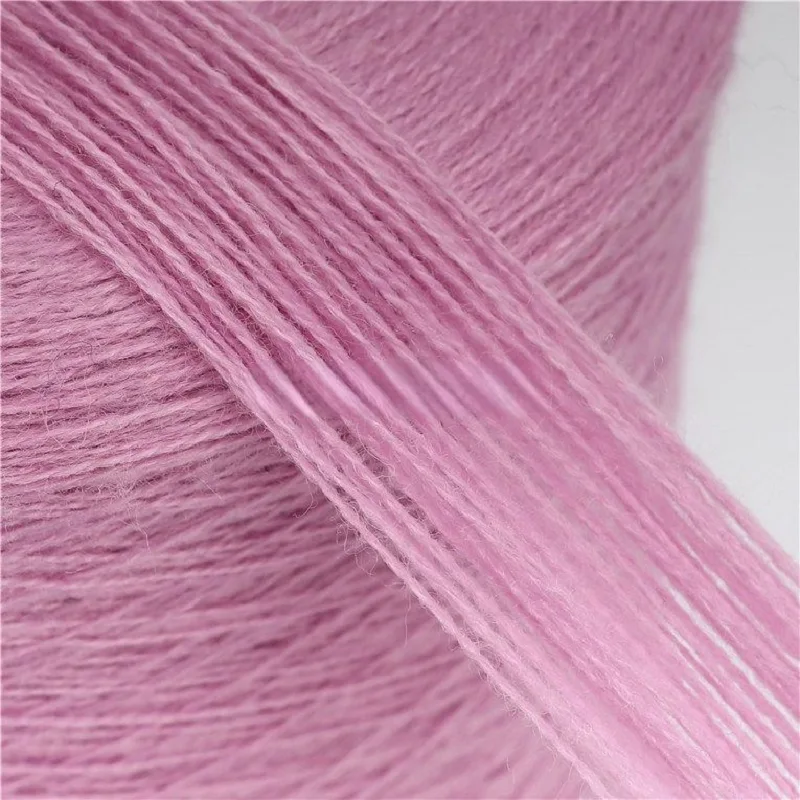
Open-end spinning separates the fibers and reassembles them in a rotor. Compared with a ring-spun yarn of the same count, OE yarn is slightly bulkier, with wrapper fibers around the outside. In fabric, this gives a soft, full body and a clean, matte surface.
Plying two ends together evens out the structure. Stitches look neat in plain jersey (stockinette), and ribbing, cables, lace and textured patterns keep a clear outline. The yarn works for simple everyday garments as well as more detailed designs.
Applications
Typical uses for this cotton wool blend yarn:
Product
Typical Uses
Socks
Casual and everyday socks that need warmth with a soft cotton feel
Sweaters and pullovers
Lightweight everyday sweaters, ribbed and cable pullovers
Cardigans and vests
Layering pieces for spring, autumn and cool indoor wear
Scarves and shawls
Soft, breathable scarves and wraps for daily wear
Hats, gloves and wrist warmers
Beanies, fingerless gloves and light cold-weather accessories
Baby and children’s knitwear
Sweaters, cardigans, hats and small blankets
Hand knitting and crochet
Tops, sweaters and accessories, usually with two or more strands held together
Woven fabrics
Woven scarves, wraps and soft casual fabrics
Home textiles
Blankets, cushions and decorative throws
Knitting and weaving ask different things of a yarn. On a knitting machine the yarn needs softness, evenness and enough elongation to form loops, while a loom needs strength and evenness to handle constant tension. Our article on the difference between knitting yarn and weaving yarn covers both in more detail.
FAQ: 2/28Nm Cotton Wool Blend Yarn
Can I use this yarn for a DK knitting pattern?
Not as a single strand. NM 2/28 gives about 1,400 meters per 100 grams, while DK yarns usually run around 200 to 250 meters per 100 grams, so a DK gauge would take roughly six strands held together. The yarn suits patterns written for fine yarns better: two strands knit up close to a lace weight, and three strands close to a fingering weight. Knit a swatch to confirm your gauge.
Can it be used for weaving as well as knitting?
Yes. The yarn is supplied for textile weaving as well as knitted products. A two-ply yarn is usually more even and stronger than a single yarn of the same resultant count, which helps under loom tension. For a new woven program, check strength and evenness on the sample lot and run a short loom trial before bulk production.
How should garments made from this yarn be washed?
Hand wash in cool water with a neutral, wool-safe detergent and lay flat to dry. Wool can felt in hot water and does not tolerate strong alkali, and cotton can shrink, so avoid hot washes and tumble drying. For production, wash a test swatch and measure shrinkage before you finalize pattern sizes.
Is this yarn suitable for baby and children’s knitwear?
The cotton-rich blend is soft against the skin, and it is used for baby sweaters, hats, small blankets and children’s garments. Babywear is usually held to stricter chemical testing than adult clothing, for example OEKO-TEX Standard 100 Product Class I. Tell us your target market when you request a quote, and we will confirm which test reports are available for your lot.
Can I buy it undyed and dye the fabric myself?
Yes, natural white and bleached white are both available. Cotton and wool take different dye classes: cotton is usually dyed with reactive dyes, wool with acid dyes. Piece dyeing a 70/30 fabric needs a process that colors both fibers, or the two can end up in slightly different shades. If you need solid colors, ordering the yarn dyed to your color card skips that step.
Is there a merino version of this cotton wool yarn?
Yes. If your specification calls for merino, we also supply a 28Nm/2 70% cotton 30% merino wool yarn with the same count and blend ratio. Sampling both side by side is the quickest way to compare hand feel and price for your product.