WhatsApp : (+86) 19058080181 Email : info@vi-tex.com


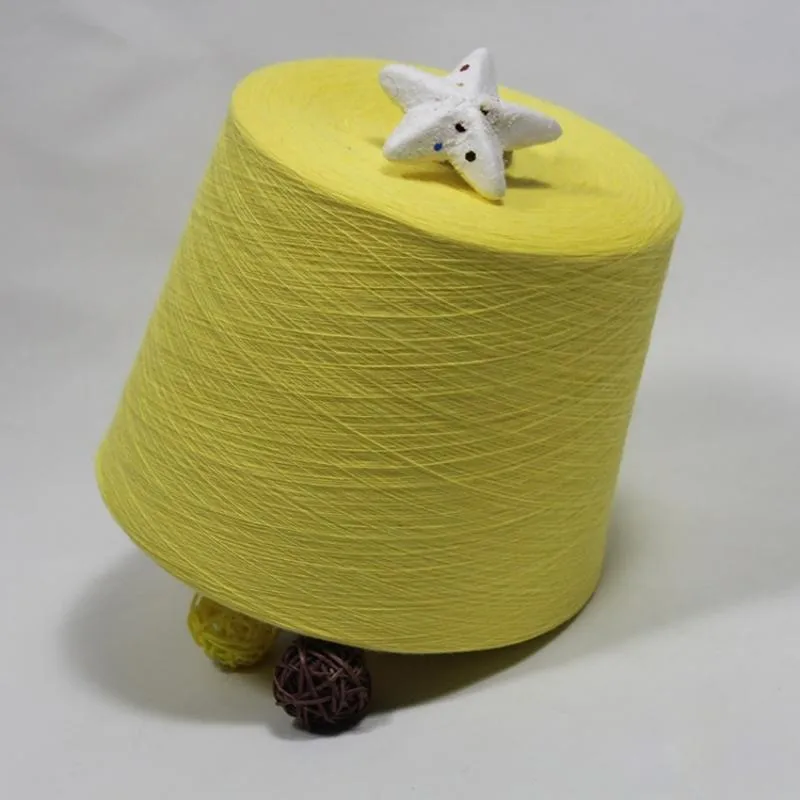
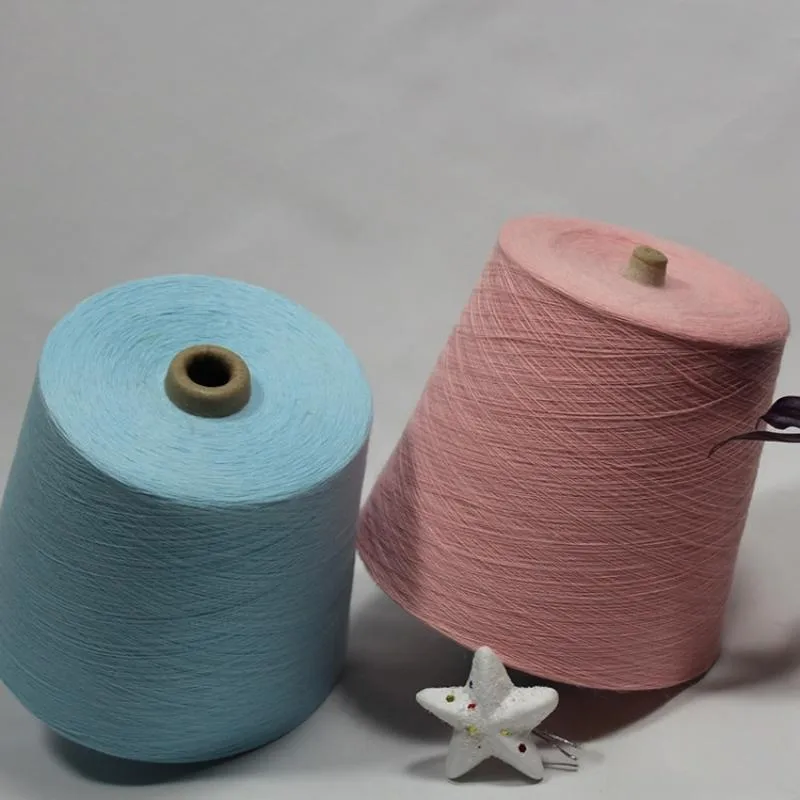
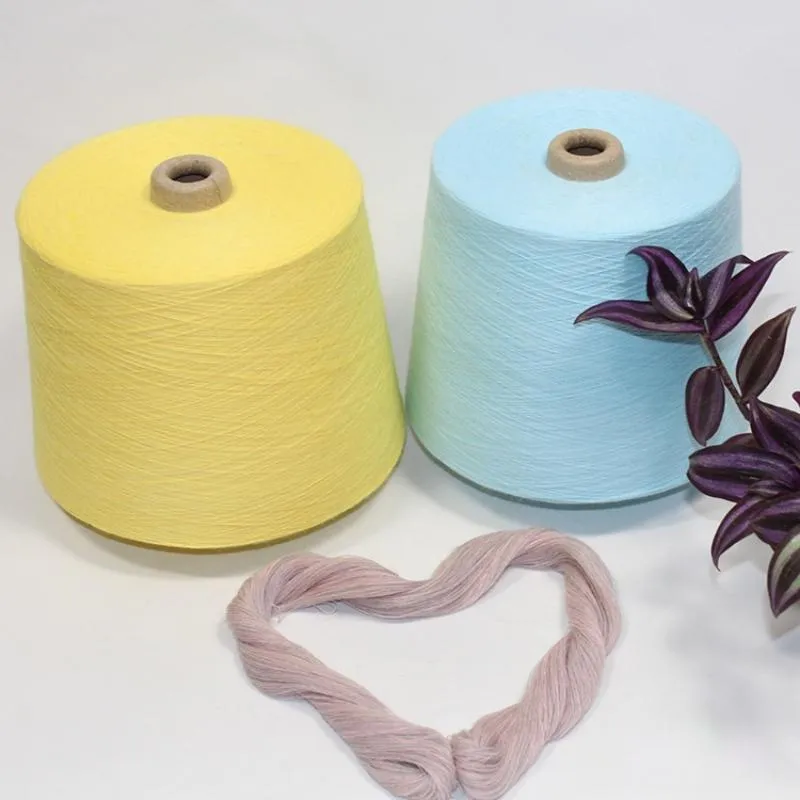
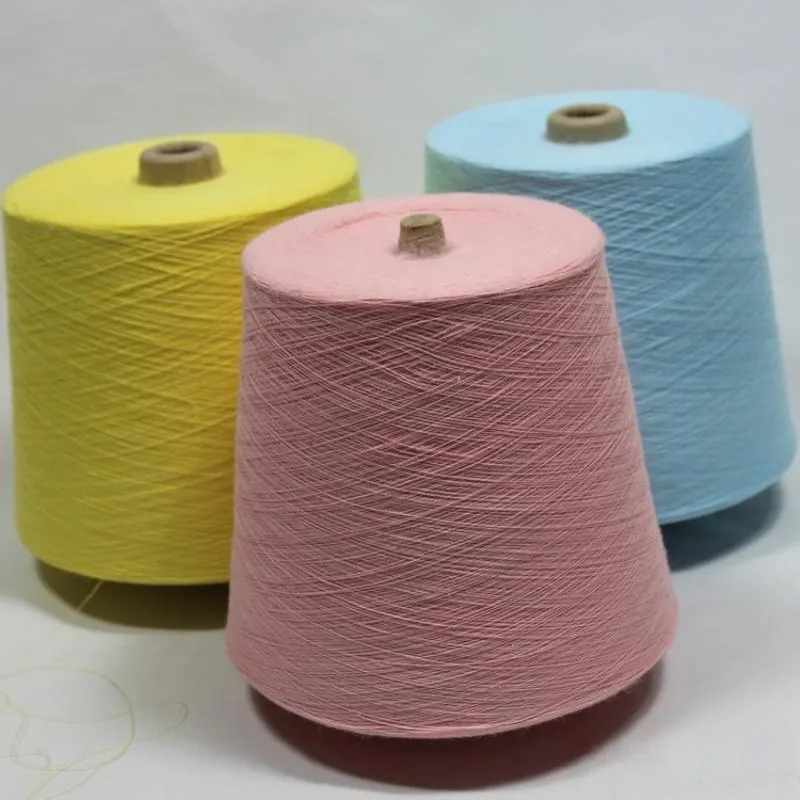
32s Bamboo Cotton Yarn | 80/20 Cone Yarn for Sock Mills
32s bamboo cotton yarn in an 80/20 bamboo-cotton blend is designed for warm-season sock production where comfort and runtime stability must both be controlled.
- Spinning process: Blended spun yarn
- Yarn count: 32s (Ne 32/1), linear density 11-20 tex
- Fiber composition: 80% bamboo fiber, 20% cotton
- Yarn form: Cone yarn, 1-ply
- Twist: 780
- Reference knitting gauge: 18G applications
- Minimum order quantity (MOQ): 5,000 kg
- Packaging: Carton packing
This 32s bamboo cotton yarn combines 80% bamboo fiber with 20% cotton. It is supplied as a 1-ply cone yarn for spring and summer sock programs, and 18G is the reference knitting gauge listed for the product. Because sock structures and machine settings vary, run a pilot on the intended line before approving a bulk order.
32s bamboo cotton yarn for sock production
For buyers sourcing 32S/1 cotton-bamboo specialty yarn, the first checks are the yarn count, blend ratio, twist, cone format, and machine fit. This yarn has a 32s (Ne 32/1) count, an 80/20 bamboo-cotton composition, and a 1-ply cone form. In practice, these details give sock mills a clear starting point for sample review and pilot knitting.
The yarn is intended for warm-season socks that need a lightweight structure and a comfortable hand. At the same time, the cone format is intended to support smoother unwinding during continuous feeding. These points still need to be checked on the target feeder and sock structure before bulk production.
Product specifications
| Specification | Details |
|---|---|
| Spinning process | Blended spun yarn |
| Yarn count | 32s (Ne 32/1) |
| Linear density | 11-20 tex |
| Fiber composition | 80% bamboo fiber, 20% cotton |
| Yarn form | Cone yarn, 1-ply |
| Twist | 780 |
| Reference knitting gauge | 18G applications |
| Minimum order quantity | 5,000 kg |
| Packaging | Carton packing |
Cost and processing considerations for sock mills
For a bulk sock program, cost includes more than the yarn price. Rework and frequent yarn breaks can add time during production, so the pilot should cover cone unwinding, break frequency, loop appearance, and fabric weight. This information helps buyers decide whether the yarn fits the planned program before confirming the bulk order.
The 80/20 bamboo-cotton composition gives buyers a clear starting point for evaluating fabric hand feel and moisture behavior in a warm-weather sock. Therefore, perform the review on the actual sock structure rather than relying on the blend ratio alone.
Because the product is supplied as a 1-ply cone yarn, check unwinding and yarn-break frequency during the pilot. If the trial meets the approved criteria, carry those criteria into bulk planning.
Quality checks before bulk production
A soft feel in a sample does not confirm bulk consistency. For this reason, use the same checks for the sample and the production lot.
- First, confirm the 32s count and the allowed tolerance on the incoming lot.
- Next, verify the 80/20 blend ratio against the supplier declaration.
- Then, check twist consistency before releasing the cones to production.
- After that, run a cone-unwinding trial on the target feeder and record yarn breaks.
- Finally, knit a pilot sock with the planned needle setting, stitch length, and speed profile.
For a broader purchasing checklist, read our guide to checking sock yarn quality before bulk approval. Use it to structure the review, while the product-specific specification remains the reference for the order.
Order planning
Before the sample or pilot lot, share the target gauge, sock structure, color list, and monthly volume. Then confirm the required specification and test protocol. After the pilot, record the accepted machine settings and quality criteria. Once those points are agreed, approve the bulk plan, lot allocation, and shipment window.
Typical applications
This cone yarn is intended for spring and summer sock knitting programs, breathable casual socks, and daily functional sock lines. However, final suitability depends on the planned sock structure, needle setting, stitch length, and speed profile, so a pilot remains necessary before bulk production.
FAQ for 32s bamboo cotton yarn
Where can buyers source 32S cotton-bamboo specialty yarn for sock production?
VI-TEX supplies this 80/20 bamboo-cotton cone yarn for sock mills. It is supplied as a 1-ply yarn with a 32s (Ne 32/1) count, while 18G is the reference application. Ask for the current specification and confirm the commercial terms before ordering.
Is this yarn suitable for 18G production lines?
Yes. 18G is a reference application for this yarn. However, needle settings, stitch length, and speed affect the result, so run a pilot on the intended machine before bulk production.
Which tests should be completed before bulk release?
At minimum, check yarn count, blend ratio, twist consistency, appearance, cone unwinding, and pilot knitting performance. During the pilot, use the actual sock structure and machine settings planned for production.
How can buyers reduce variation between repeat lots?
Keep approved color references and technical parameters fixed for repeat orders. Then use the same test protocol for each reorder lot before loading the yarn onto the machine.
What affects the quotation besides raw material?
Count tolerance, colorway complexity, volume split, and delivery window urgency can affect the quotation. Share these details early so the supplier can prepare a more reliable quote.
What are the MOQ and standard packing format?
The MOQ is 5,000 kg, and standard packing is carton packing.
Related products
-

Cooling Antibacterial Sock Yarn | 32s Silk-Linen Blend for Summer Socks
-

Silk Cashmere Blended Yarn for Socks | 1/28 Nm Siro-Spun Dyed Yarn
-

Water Repellent Sock Yarn 32s for Breathable Spring Summer Socks
-

2/45 Merino Wool Blend Yarn | Compact-Spun Two-Ply for Autumn/Winter Knitwear
-

Wool Acrylic Sock Yarn 1/52 (10% Wool 90% Acrylic) for Warm, Soft Winter Socks
-

Wool Nylon Acrylic Blended Yarn for Winter Socks and Knitwear
-

Viscose Nylon Boucle Yarn 1/26 (70/30) for Soft, Skin-Friendly Knitwear
-

Cotton Linen Blend Sock Yarn for Soft, Skin-Friendly Socks