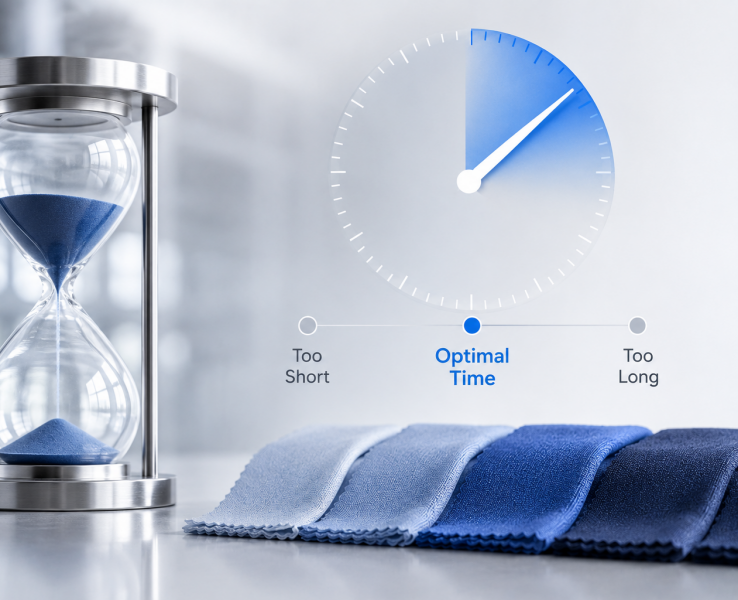
Hourglass and fabric samples illustrating the impact of dyeing holding time on color fastness and shade consistency.

How Dyeing Holding Time Affects Color Fastness

Dyeing holding time directly affects color fastness in polyester, cotton, and nylon dyeing. In our factory, we do not treat holding time as a small recipe detail. It decides whether dye enters the fiber, stays on the surface, bonds properly,…

R&D Trends of Eco-Friendly Yarns – Bio-Based Yarns

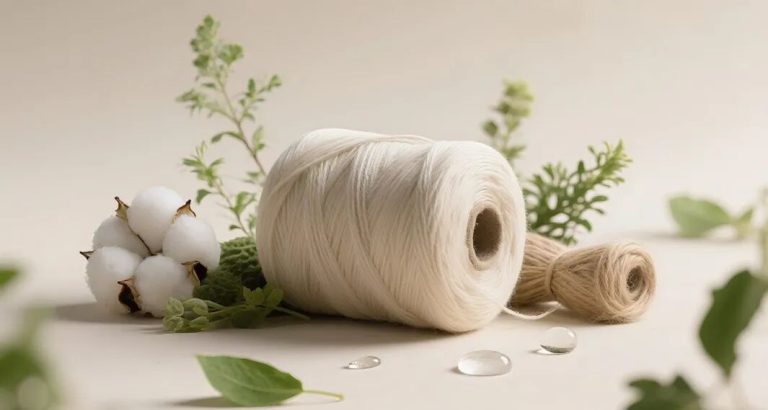
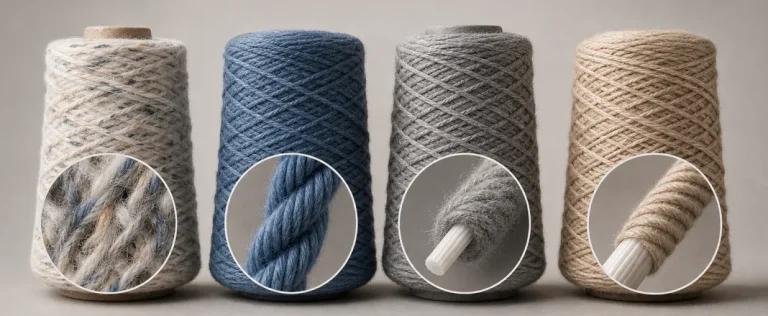
Bio-based yarns take renewable biomass as raw materials for fiber spinning. Based on feedstock origins, we split them into three categories: virgin bio-based yarns, regenerated bio-based yarns and synthetic bio-based yarns. First, virgin bio-based yarns adopt natural fibers from plants…

Functional Fibers — Anti-UV Fibers

After everyday apparel meets people’s demands for comfort and aesthetics, consumers have gradually raised higher requirements for garment functionality. As one typical functional fiber, anti-UV fiber gains growing market attention. Therefore, this article introduces anti-UV fiber in terms of its…

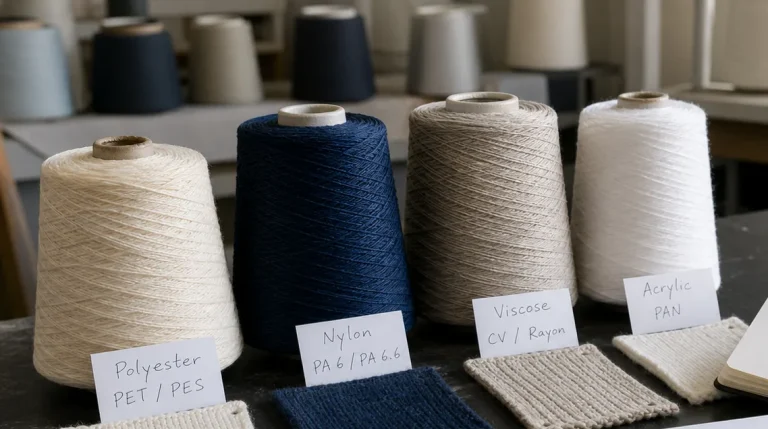
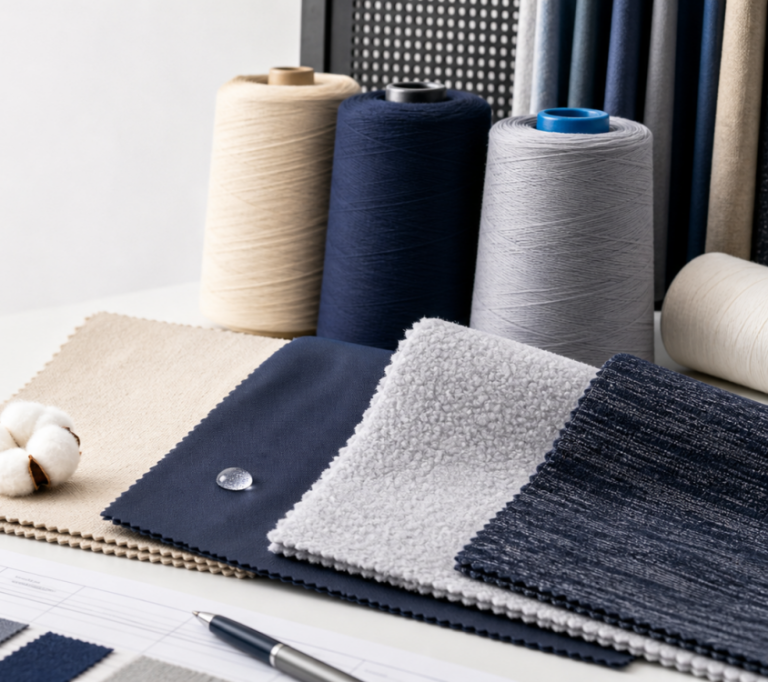
Fabric swatches and yarn samples for performance-based textile selection

5 Common Fabric Myths That Still Mislead Buyers and Product Developers

Fabric selection is rarely as simple as choosing cotton, polyester, a higher yarn count, or a heavier material. In real textile development, performance depends on fiber properties, yarn construction, fabric structure, finishing technology, washing conditions, and the final application. These…

Peptide Fiber – New Textile Material

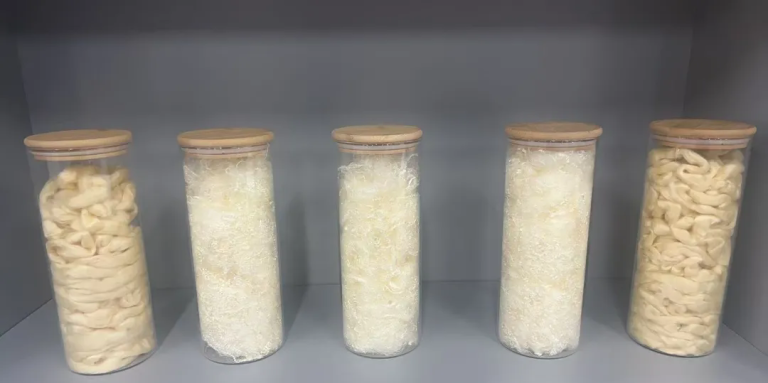
What Is Peptide Fiber? Peptide fiber is a new bio-based artificial protein fiber for textiles. First, it is rich in 18 kinds of amino acids and mainly made from bio-based polyvinyl alcohol and collagen. Moreover, the two raw materials are…