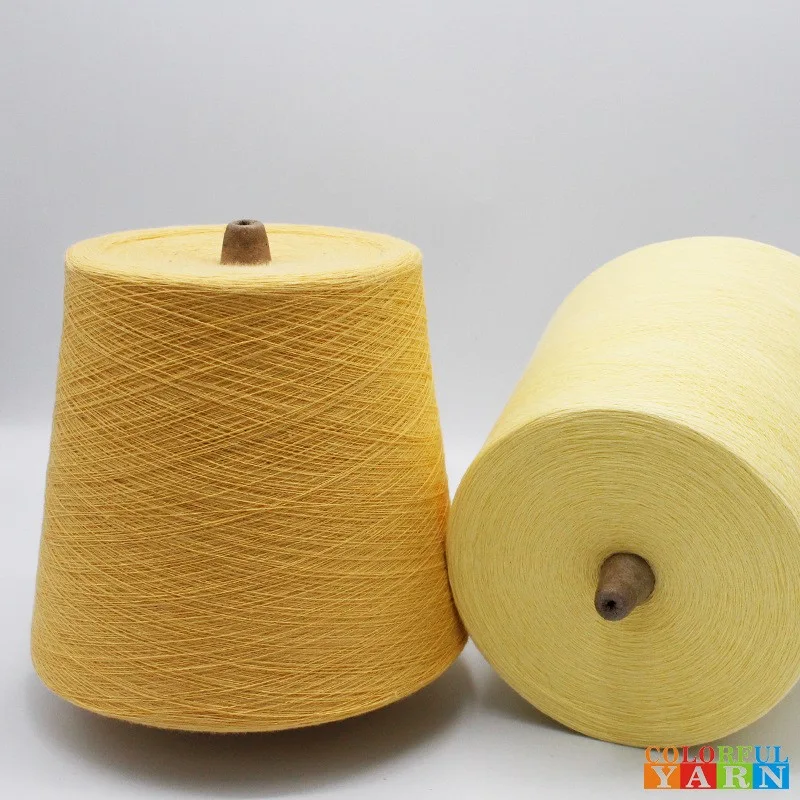
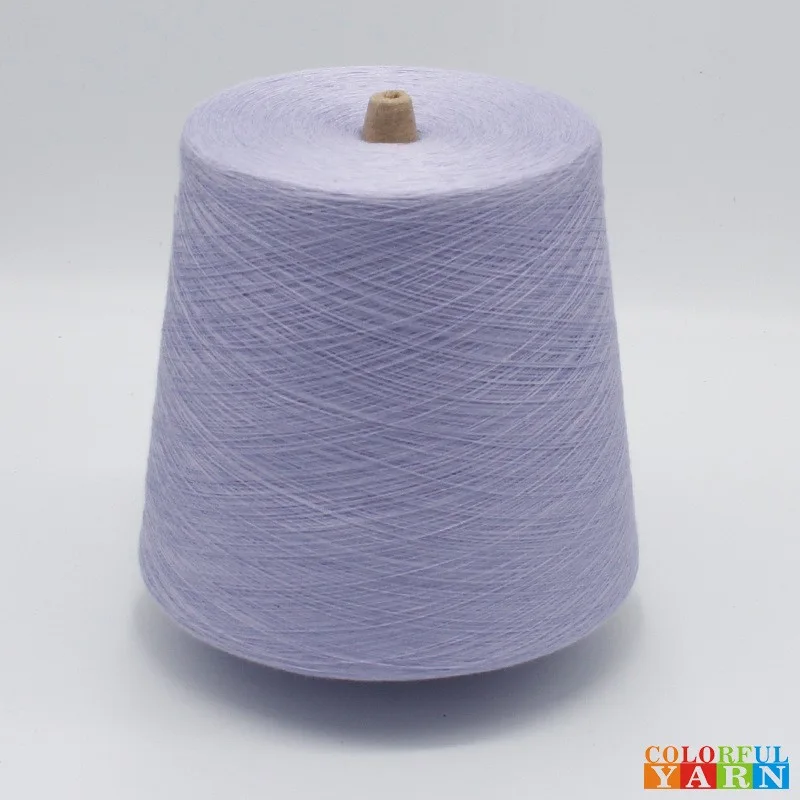
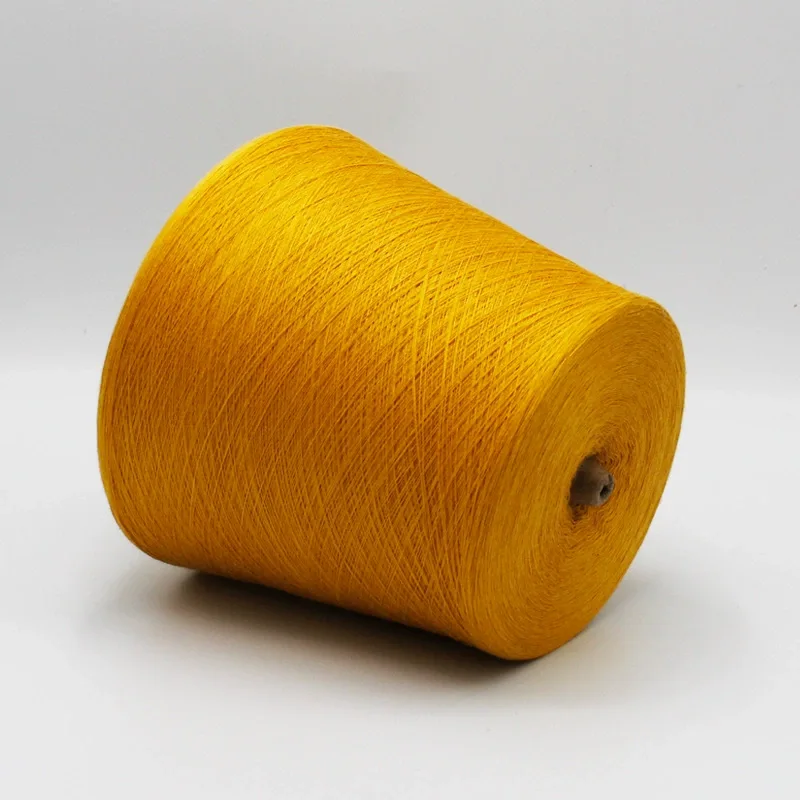
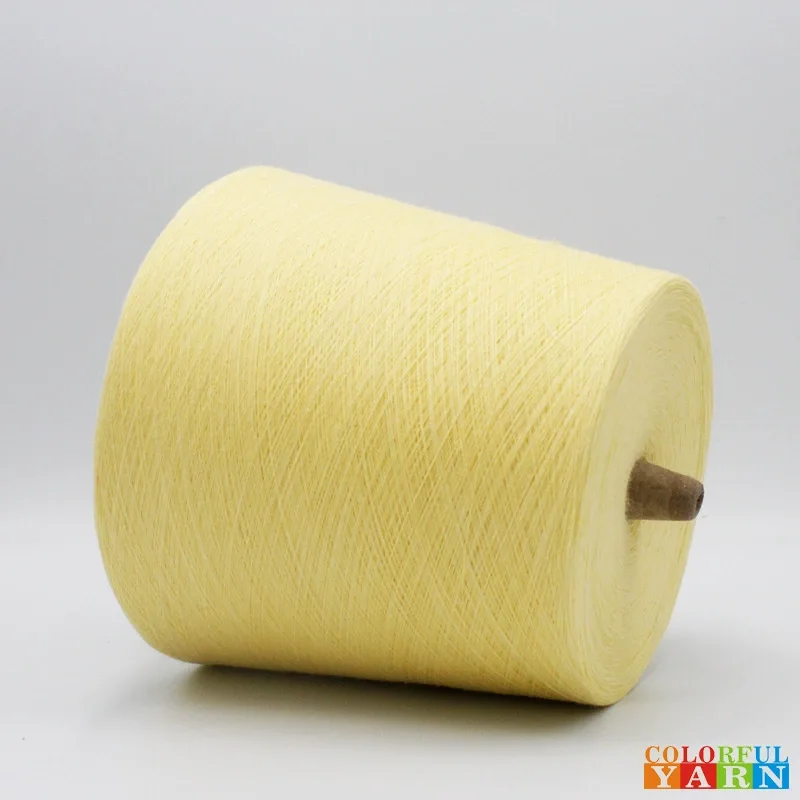
32S Cotton Ramie Yarn for Socks and Knitwear – Ring-Spun 85/15 Blend
$1065
Our 32S cotton ramie yarn combines 85% cotton with 15% ramie. We use ring spinning for this 32S/1 cone yarn. Sock mills, knitting mills and weaving mills can test it for lightweight spring and summer products.
This 32S cotton ramie yarn gives mills one clear blend and one practical count for warm-weather products. Cotton makes up 85% of the blend. In contrast, ramie makes up 15%. Because the 32S/1 count supports lighter constructions, it suits lightweight fabric development. Meanwhile, ring spinning gives the yarn a familiar structure for regular mill handling.
Product
32S cotton ramie yarn
Fiber composition
85% cotton, 15% ramie
Yarn count
32S/1
Spinning process
Ring spun
Yarn form
Cone yarn
Main uses
Socks, lightweight knitwear, T-shirts, cardigans, tops and woven fabric development
Color options
Natural white, bleached white, standard colors, mixed colors and custom shades by color card
MOQ
25 kg per color
Packaging
Carton packing
Stock lead time
1–2 days after order confirmation
Custom lead time
3–15 days after order confirmation
Why 32S Cotton Ramie Yarn Works for Socks
Sock factories need stable yarn input, clear specifications and practical order quantities. This cotton ramie yarn for socks addresses those buying points with a fixed 32S/1 count, a fixed 85/15 blend and a 25 kg MOQ per color.
Cotton gives the fabric a soft hand. Meanwhile, ramie adds a fresher touch. Because the blend balances both fibers, it suits products that contact the skin during daily wear. For warm-weather programs, the 32S/1 count supports thin and lightweight constructions.
For example, the yarn fits several sock categories:
Lightweight daily socks
Spring and summer socks
Casual socks
Business socks
Home socks
Thin knitted socks
However, each sock structure needs its own machine trial. Because needle gauge, stitch density, yarn tension and finishing method affect the final result, we ask buyers to test the yarn before bulk use. Then, the mill can confirm feeding, fabric weight, hand feel and appearance.
For sock programs, this 32S cotton ramie yarn gives buyers one fixed count and one fixed blend for trial control.
32S Cotton Ramie Yarn for Knitting and Weaving
Mills can use this ramie cotton blend yarn for knitting and weaving development. For example, the current application range covers lightweight knitwear, T-shirts, cardigans, tops and selected woven fabrics. Because every option starts with the same yarn count, development teams gain a consistent base across related seasonal products.
Knitting mills can test the yarn for jersey, rib and other lightweight structures. Meanwhile, garment teams can use the resulting fabric for warm-weather tops and cardigans. Weaving mills can also test the yarn against the required warp or weft conditions. However, each woven construction needs a mill trial because loom settings, sizing, fabric density and finishing change yarn performance.
The blend gives product developers two clear material functions:
85% cotton: Supplies the main soft hand and familiar cotton touch.
15% ramie: Adds a fresher texture and a more natural surface character.
Ring-spun structure: Gives mills a standard yarn form for regular handling.
The fiber ratio creates the feature, while the combined hand gives the advantage. In turn, buyers gain one yarn option for lightweight spring and summer product lines.
A knitting mill should trial this 32S cotton ramie yarn against its own gauge, tension and finishing route.
Fabric Development Points for the 85% Cotton 15% Ramie Yarn
However, the 85% cotton 15% ramie yarn does not replace mill testing. Instead, yarn composition gives the starting point. Fabric construction and finishing then decide the final hand, weight and appearance.
This 32S cotton ramie yarn gives development teams a defined base for recording each trial and approval.
Buyers should confirm these points during development:
Machine type and gauge
Target fabric structure
Finished fabric weight
Yarn feeding tension
Required shade and color standard
Washing and finishing process
Target hand feel
Packaging and cone requirements
A buyer who shares these details gives our factory a clear production target. We can then check the requested color, cone format, packing method and order plan against the product specification.
Because ramie and cotton react differently during processing, mills should set dyeing and finishing conditions around their own equipment and target fabric. First, a controlled trial reduces avoidable changes during bulk production. It also gives the buyer a physical reference for later approval.
Choose the Correct 32S Cotton Ramie Yarn Version
Vi-Tech lists more than one 32S cotton ramie yarn because the spinning process and supply terms differ. Buyers should not treat these pages as one interchangeable item.
This product: 32S/1 ring-spun cone yarn, 85% cotton and 15% ramie, with a standard MOQ of 25 kg per color.
Compact-siro sock version: The product page lists compact-siro spinning, an 18G reference and a 1 kg per-color sampling MOQ.
First, select the version by spinning process, target machine and order plan. Do not select by fiber ratio alone. Although the three products share an 85/15 blend, they do not share the same process or MOQ.
Next, send the product URL with your inquiry. Because this step identifies the exact version, it prevents confusion during sample comparison and repeat orders. It also lets our factory check the correct stock record from the start.
Color Supply and Customization
We supply natural white, bleached white and a range of standard colors. We also develop custom shades by color card. Buyers can discuss mixed colors, cone weight, labels, packing method and bulk order details with our team.
Because color approval needs a clear reference, send a physical color card or an agreed color standard for each custom shade. However, screen colors do not give a reliable production target. For example, lighting, display settings and image compression can change the color that each person sees.
First, use one approved shade reference for sampling and bulk production. Next, record the product name, yarn count, fiber ratio and shade code on each approval. This simple control helps purchasing teams, mills and our factory discuss the same item.
Keep the same shade code with every 32S cotton ramie yarn sample, carton mark and repeat order.
Our standard MOQ starts at 25 kg per color. Because this quantity keeps each shade separate, it supports focused sampling, small production runs and color testing. Buyers who need several colors should list the required quantity for each shade.
Stock Supply and Production Planning
Stock can shorten the first development cycle. For example, we normally arrange confirmed stock orders within 1–2 days. In contrast, custom orders normally take 3–15 days after confirmation. However, color, quantity, cone format and packing needs can change the schedule.
First, send complete order details:
32S/1 yarn count
85% cotton and 15% ramie composition
Required color or color reference
Quantity for each color
Cone weight requirement
Carton and label requirements
Target delivery date
Planned end use
Complete information reduces repeated confirmation. It also helps our factory check stock, custom color work and packing needs in one review. Buyers can then plan trials and production around a clear product record.
When you source this 32S cotton ramie yarn, send one complete requirement sheet before the stock check.
How We Support B2B Buyers
We work with sock factories, knitting mills, weaving mills, garment brands, yarn distributors and private-label buyers. Because each buyer needs a different order setup, we focus on the details that affect each program. For example, a sock mill may focus on machine trials and repeat colors. Meanwhile, a garment brand may focus on fabric hand and seasonal shades. A distributor may focus on stock movement and carton details.
We keep the discussion tied to the order. Then, our team confirms the yarn count, composition, color, quantity, cone format, packaging and lead time. However, we do not change the product description to match a request that needs another specification. This protects the buyer from ordering the wrong yarn.
Use the full 32S cotton ramie yarn name on every order document.
Before a larger production plan, buyers can send a sample requirement. First, state the required color and sample quantity clearly. Then, our factory will check the request against current stock and the 25 kg per-color MOQ for standard orders.
Buyer Checklist Before Order Confirmation
Use this checklist when you source 32S cotton ramie yarn:
Confirm 32S/1, not another count or ply.
Confirm 85% cotton and 15% ramie.
Confirm ring-spun construction.
State knitting, weaving or sock use.
Provide the machine type when possible.
Provide one color reference for each custom shade.
List the quantity by color.
Confirm cone weight and carton requirements.
Confirm the required delivery date.
Run a mill trial before bulk production.
This checklist gives both sides the same technical record. It also keeps the inquiry focused on facts that affect production.
FAQ About 32S Cotton Ramie Yarn
How does this ring-spun yarn differ from your compact-siro sock version?
This listing specifies ring spinning, a 32S/1 count and a 25 kg MOQ per color. Our compact-siro sock page specifies compact-siro spinning, an 18G reference and a 1 kg per-color sampling MOQ. Send the exact product URL when you contact us. We will check the correct version for your machine and order plan.
What should a sock mill record during the first knitting trial?
Record the machine gauge, needle setup, feeding tension, stitch density, fabric weight and finishing method. Keep one approved cone and one approved sock as production references. These records help both teams compare later lots against the same trial result.
Should a weaving mill test this yarn as warp or weft?
Tell us your intended warp or weft use before sampling. The mill must set loom speed, sizing, density and finishing around its own construction. Start with a controlled trial. Do not move to bulk production until the trial confirms running condition and fabric appearance.
How should we define a custom shade for this 85/15 blend?
Send a physical color card or an agreed color standard. Add the shade code to every sample and order record. Approve the shade under one fixed light source. Do not use a phone or monitor image as the production reference.
Does the 25 kg MOQ apply to every color?
Yes. This 32S cotton ramie yarn page sets the standard MOQ at 25 kg per color. List each shade and its quantity in your inquiry. Our team will check the requested colors against current stock before order confirmation.
Which packing details should we state for a repeat order?
State cone weight, cones per carton, carton marks, label text and any pallet requirement. Use the same product name, 32S/1 count, 85/15 composition and shade code from the approved order. Clear packing records reduce warehouse and receiving errors.
Which details let your factory check stock without repeated emails?
Send the product URL, color, quantity by color, end use, cone weight, carton requirement and target delivery date. Add your machine type and trial plan when you have them. One complete inquiry lets us check the right 32S cotton ramie yarn record faster.